From a PisoNet in Dumalag, Capiz to writing code on a phone through college, the story behind graduating magna cum laude and becoming a full stack and AI engineer.
- Dumalag, Capiz
- Leaving home for Cebu
- Coding on a phone
- Where it all started
- Scouting came first
- Words came before code
- The problem no one else could solve
- Building for my university
- Leading the College of Computer Studies
- A three-peat at CCS Days
- Building Develop Kreativity
- My first full-time job
- Flipping my body clock
- Giving back anyway
- The places this took me
- The academic side
- Magna cum laude
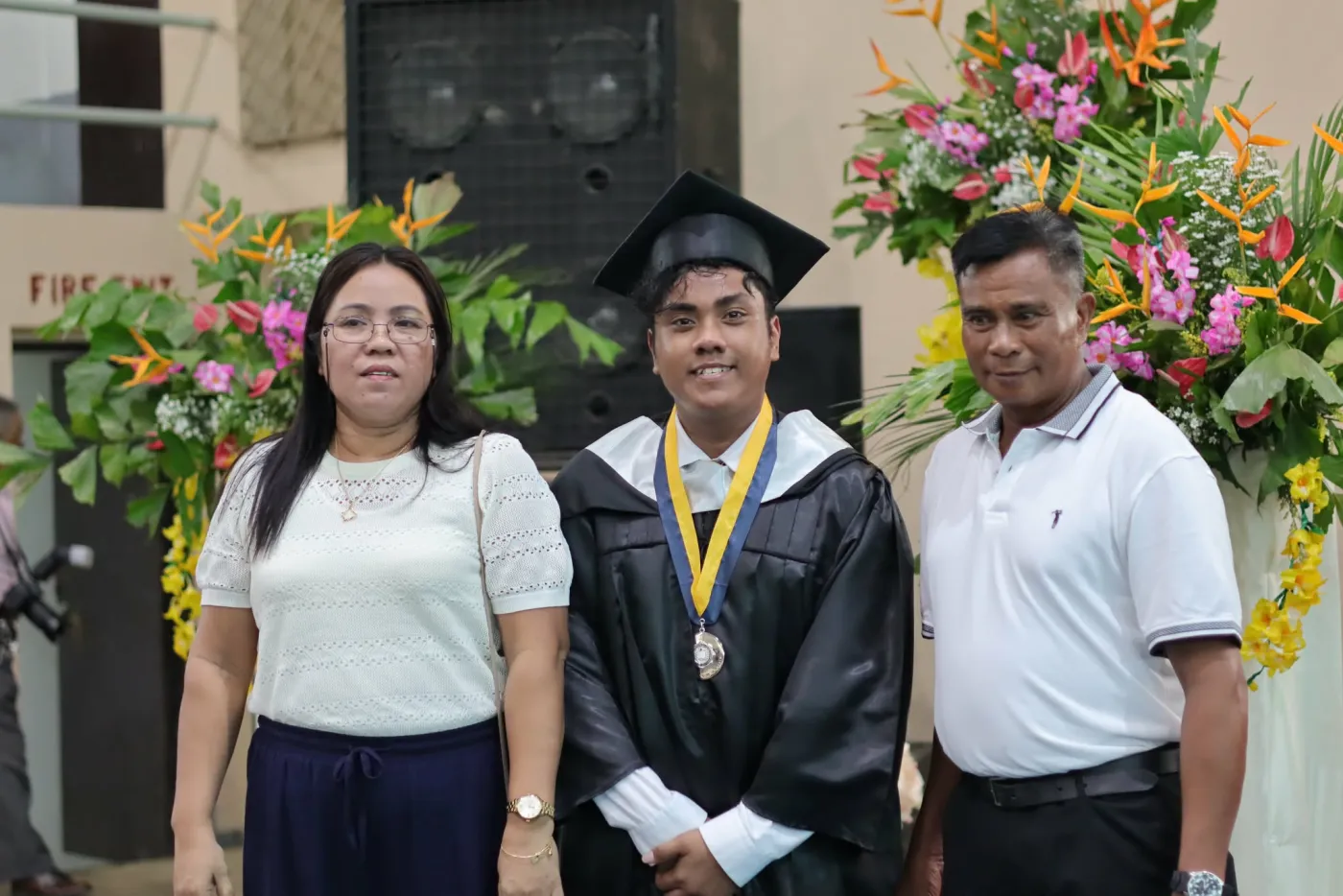
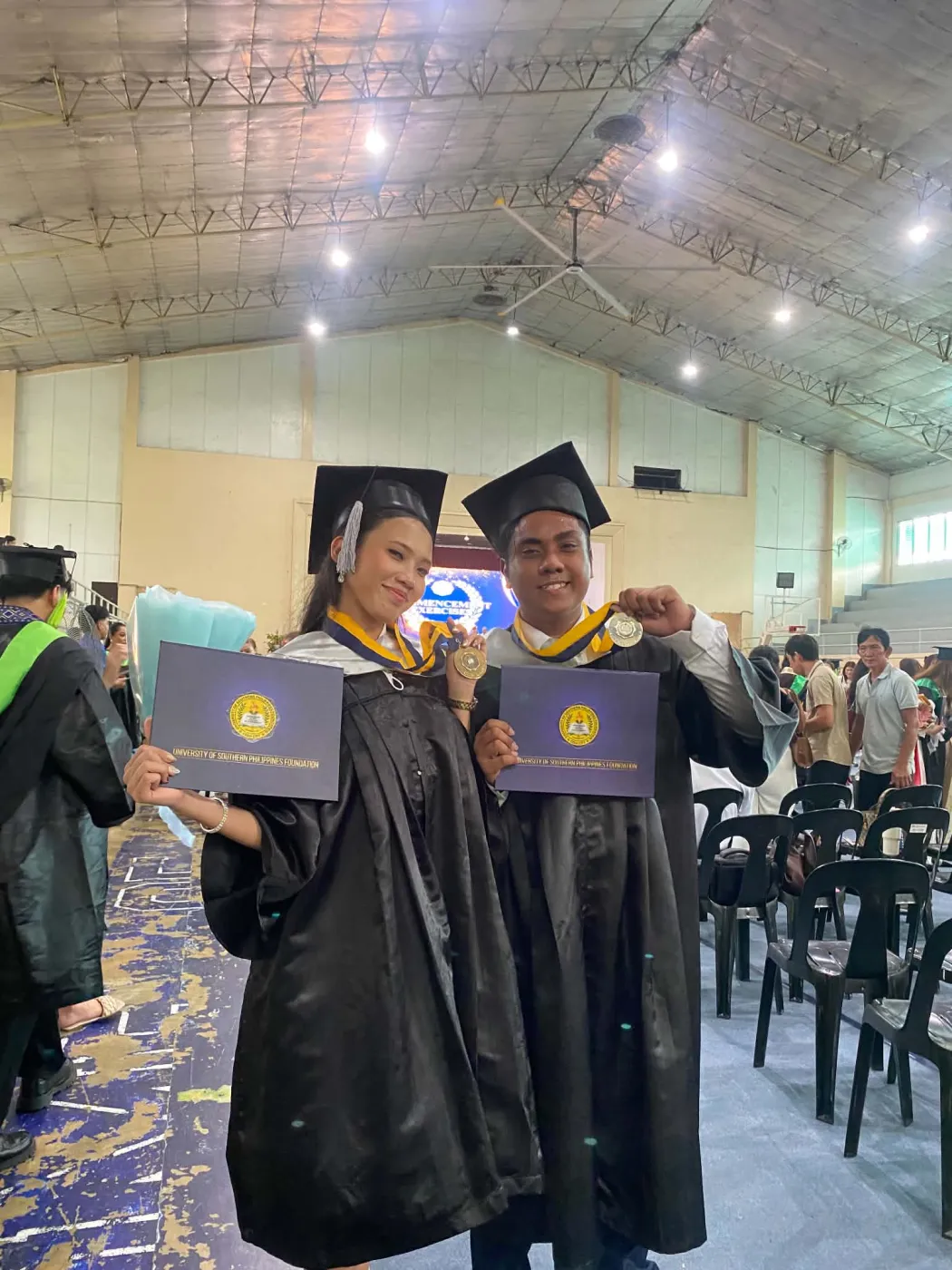
On June 20, 2026, I walked across a stage in Cebu and graduated magna cum laude with a Bachelor of Science in Computer Science, a 1.44 GPA, and the top academic standing in my college. In the Philippine grading system, the closer you are to 1.00, the better, so that number carries a lot of weight for me.
But a GPA is a single line on a piece of paper. It doesn't show the PisoNet sessions, the netbook that died, the nights I wrote code on a phone, or the back-and-forth across the city between school and work. This is the story behind that line.
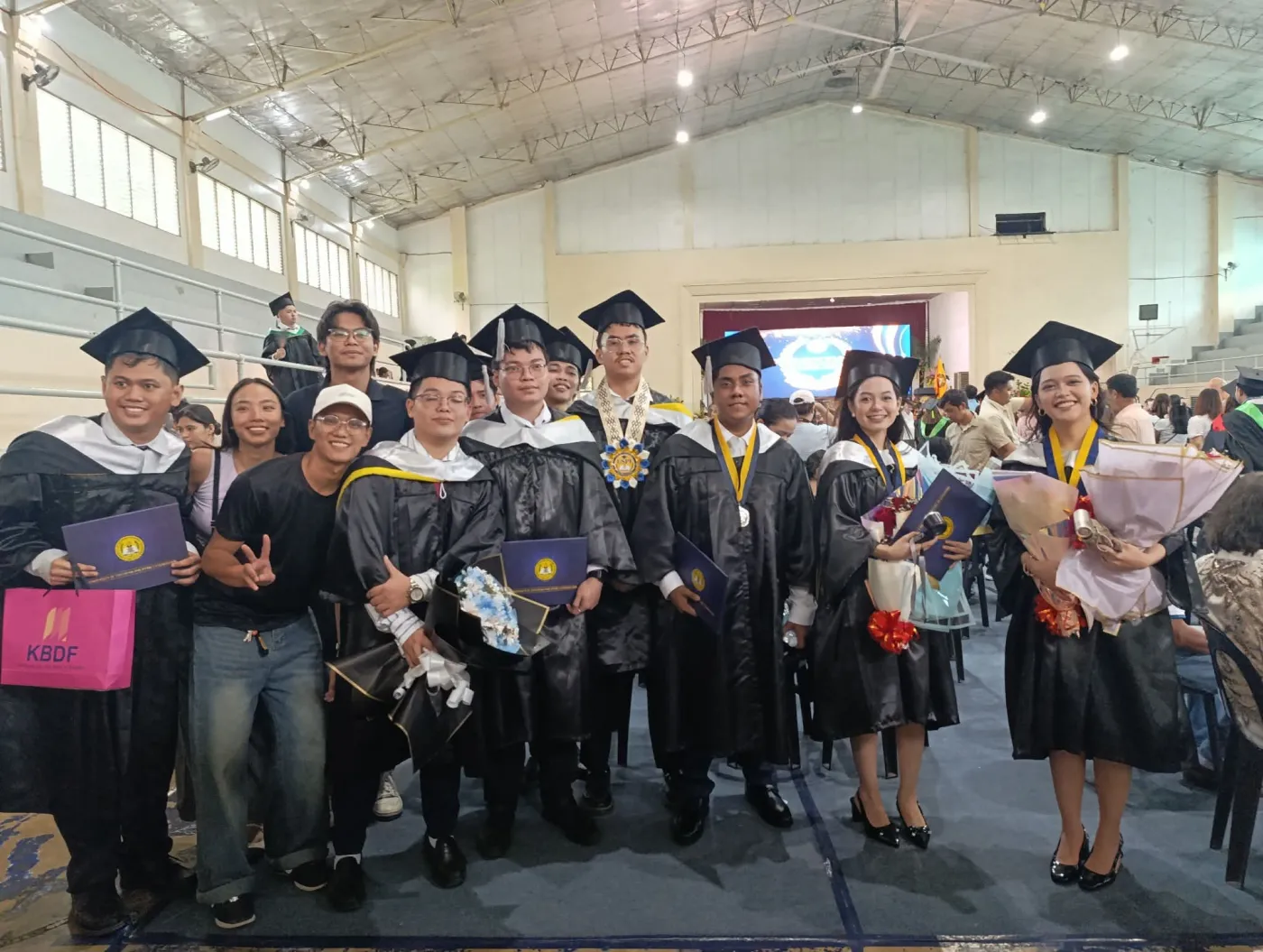
Graduation day at the University of Southern Philippines Foundation, June 20, 2026.
Dumalag, Capiz
I'm from Dumalag, a small town in the province of Capiz on Panay Island, in the Western Visayas region of the Philippines. If you don't know it, that's fair. It's the kind of place you pass through, not the kind of place you expect a software engineer to come from.
Panay is rice fields and rivers, jeepneys and fiestas, and neighbors who know your whole family. It's quiet in the way that makes a big dream feel a little unreasonable. I loved growing up there, but I also knew early on that the future I wanted in tech didn't have an obvious road out of my hometown. I'd have to build that road myself.
Leaving home for Cebu
When it was time for college, I left Dumalag for Cebu City to study Computer Science at the University of Southern Philippines Foundation (USPF). It's not a short hop. It meant leaving home, leaving the people I grew up with, and figuring out a much bigger, faster city mostly on my own.
That first stretch was hard in ways that had nothing to do with the coursework. Money was tight, everything was new, and I was suddenly responsible for a life that used to be shared with family. I told myself the discomfort was the price of admission and kept moving.
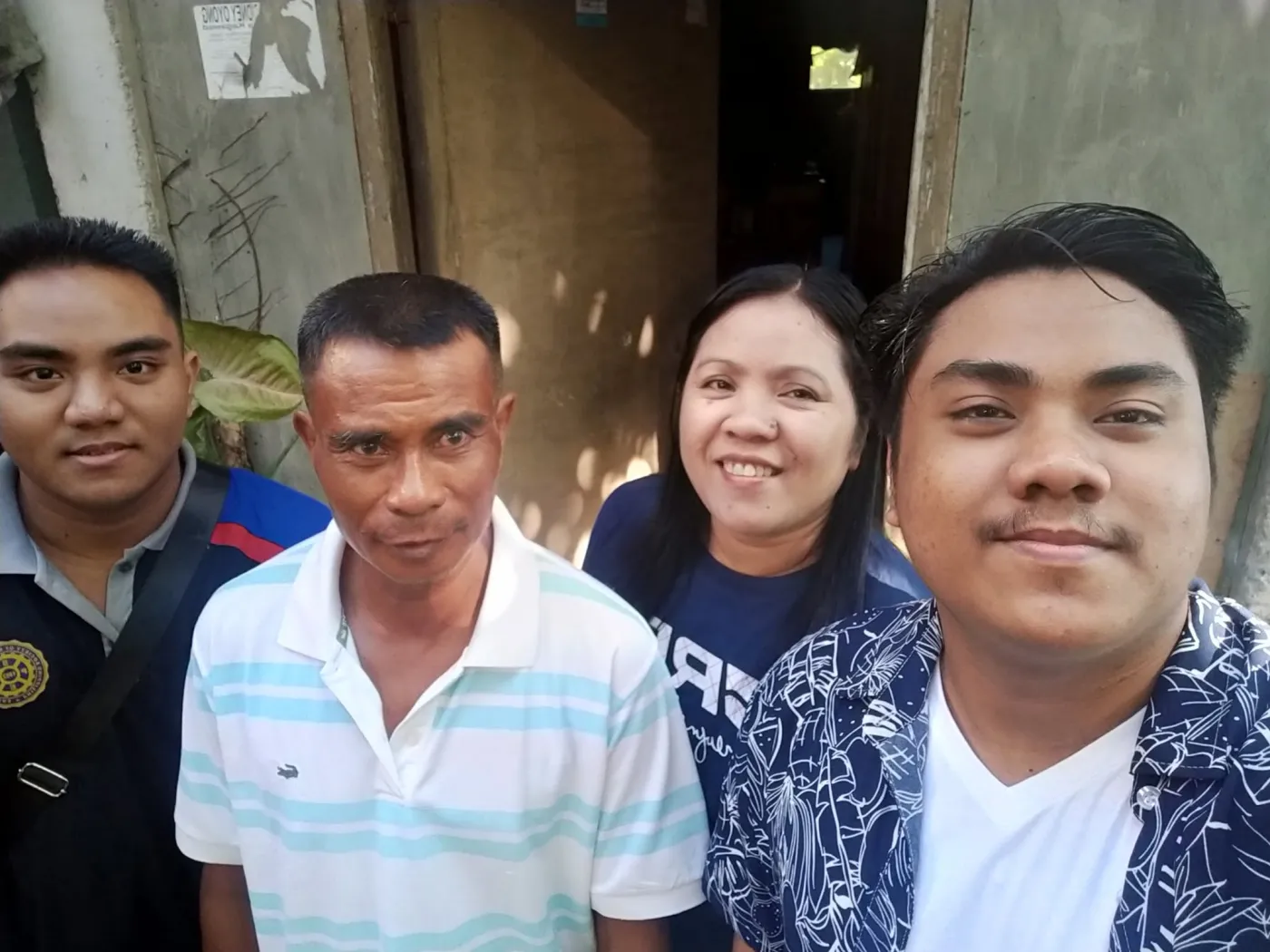
The day I left Dumalag for Cebu.
Coding on a phone
Here's the part I usually skip when people ask about college: for my first and second year, I didn't have a laptop.
The one I'd been using, an old Toshiba netbook, finally gave out and wouldn't turn on anymore. Replacing it wasn't an option at the time, so I did the only thing I could. I used my phone. An Oppo A1 Pro became my entire development machine.
To run a PHP environment, I used KSWeb. I wrote all my code in Acode, a mobile code editor. And when I needed to build something with Node.js, I'd spin up an environment in Termux and run the app from there. My IDE, my server, and my terminal all lived on a screen I could cover with my hand.
It was slow. It was cramped. Compiling anything felt like a small act of faith. But it worked, and more than that, it taught me that the tools are never the real bottleneck. The willingness to keep going is.
Where it all started
To really understand how I ended up coding on a phone without flinching, I have to go back further, to before college and before I ever called myself a developer.
Long before any of the building, I was just a kid in the PisoNet and computer shops. That's where I spent my hours, grinding League of Legends, dropping into Rules of Survival, and driving through GTA Vice City and San Andreas. Those shops were my first real relationship with a computer, even if all I was doing was playing.
At some point the curiosity flipped. I got more interested in how the games and apps worked than in playing them. I started reverse-engineering Android apps, decompiling APKs and reading Smali bytecode, to see how software was put together from the inside. That led to teaching myself PHP, Java, and web development with the scrappy mobile-era tools that were around, like WAPKA and XHTML, building websites and small tools years before anyone formally taught me anything.
I grew up inside early Filipino developer communities, learning from people I'd never met in person. I built things because I wanted them to exist: a forum for a mobile gaming community, a VPN handler for Android, automation tools and game mods that I shared with the crowds I hung out with online. Later I fell down cloud and security rabbit holes too, poking at servers and security tooling just to understand how it all fit.
None of it was a plan. It was just a kid who couldn't stop taking things apart. By the time the netbook died in college, building on almost nothing already felt normal to me.
Scouting came first
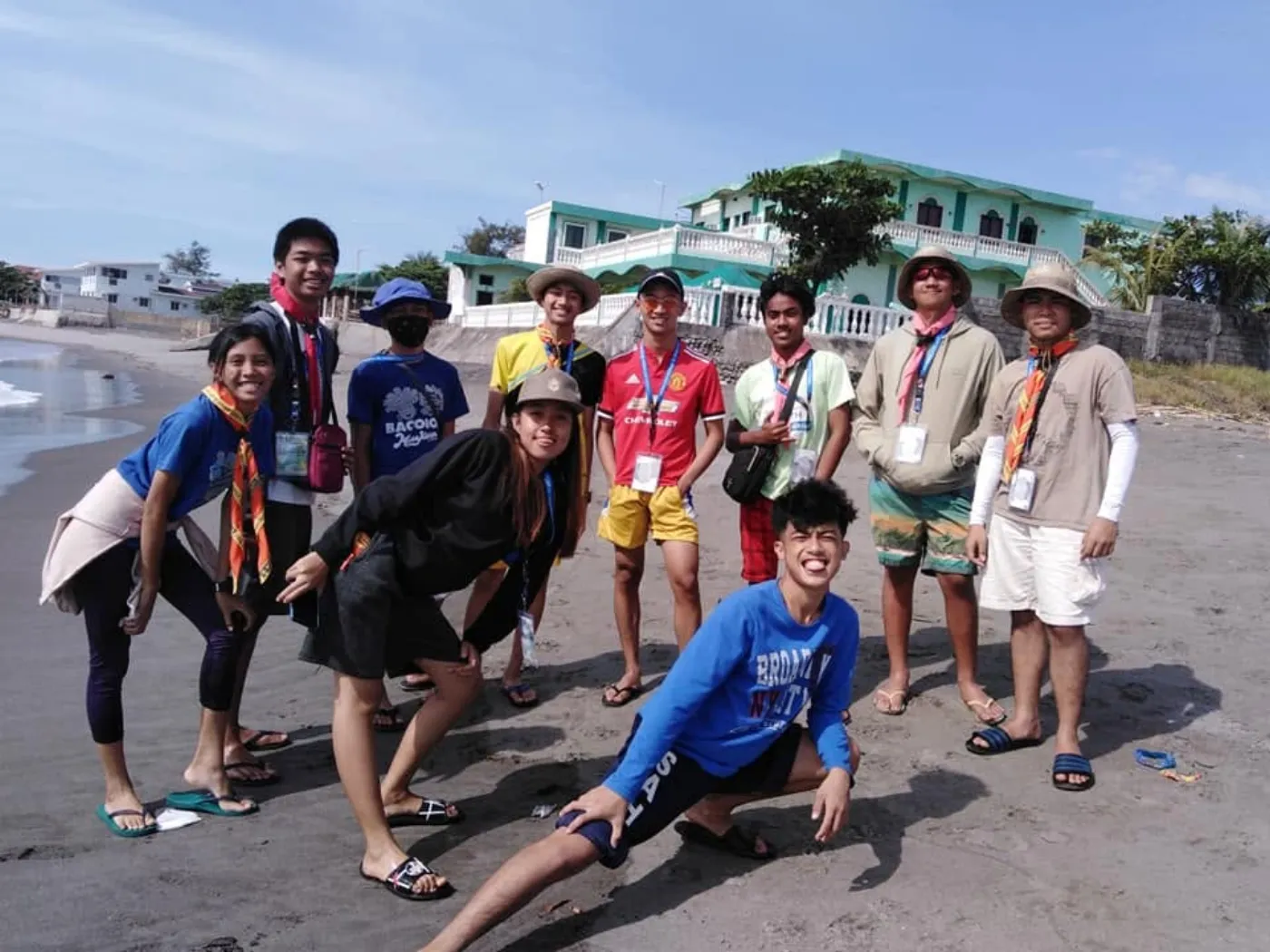
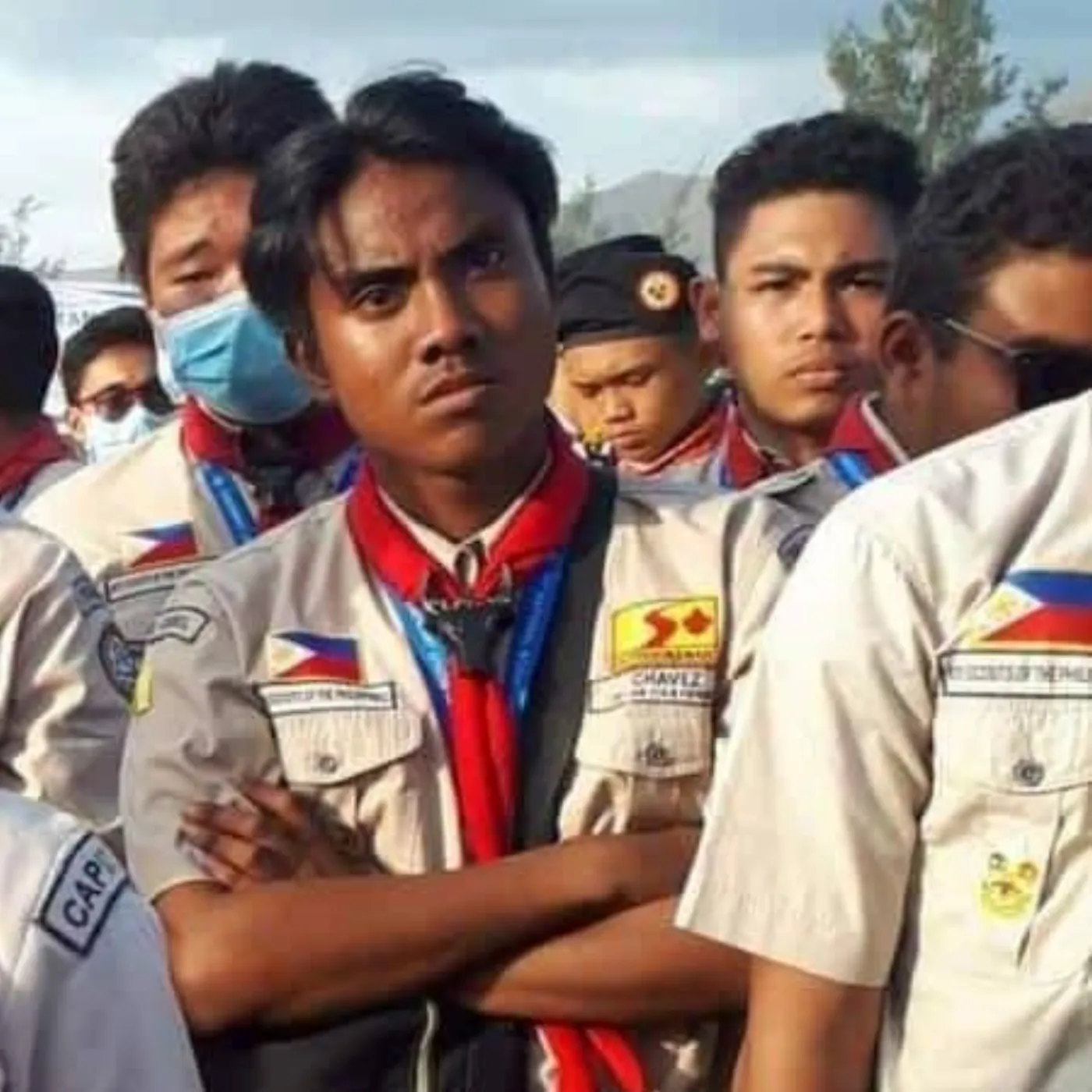
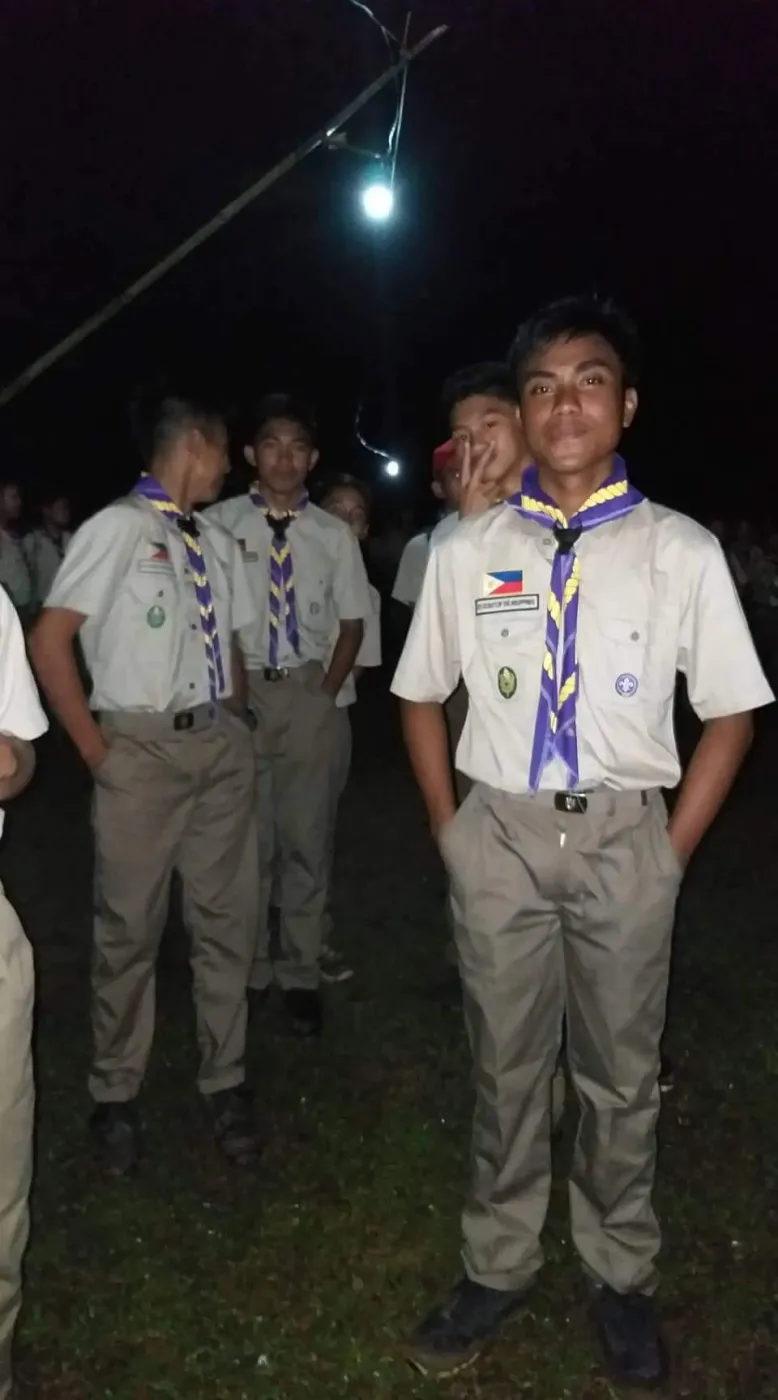
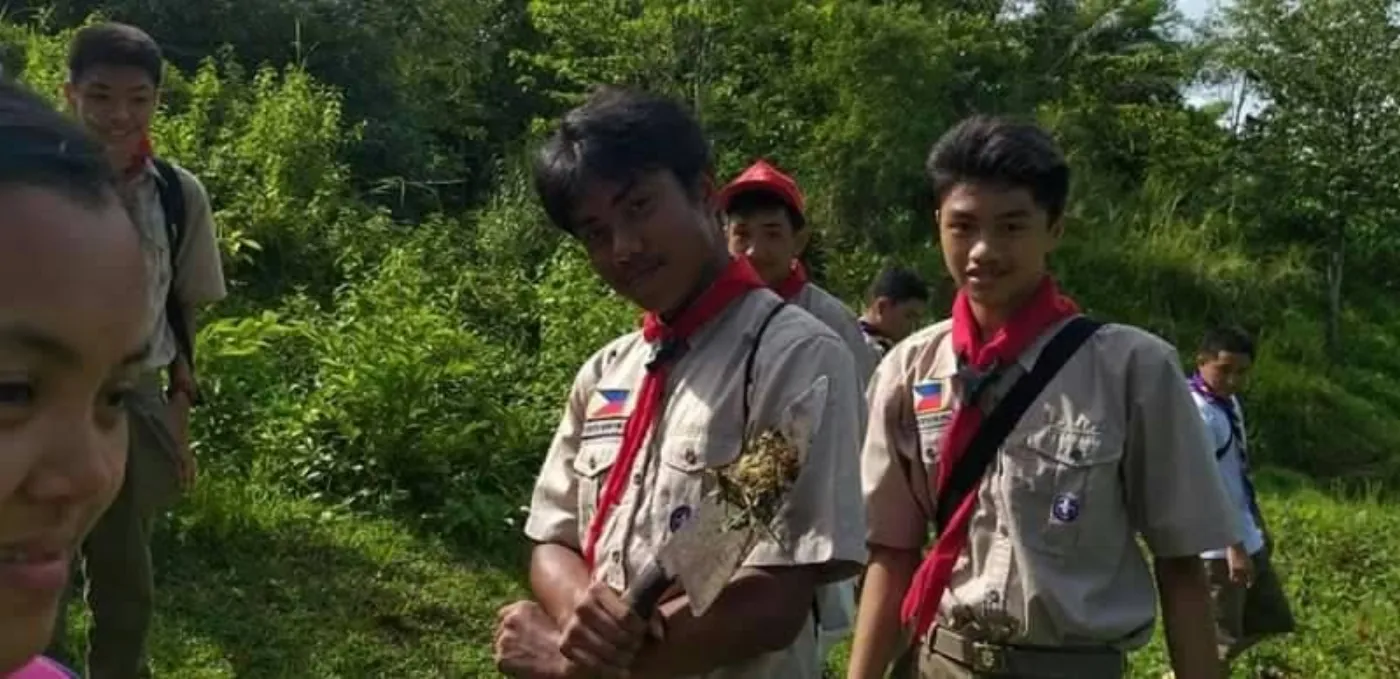
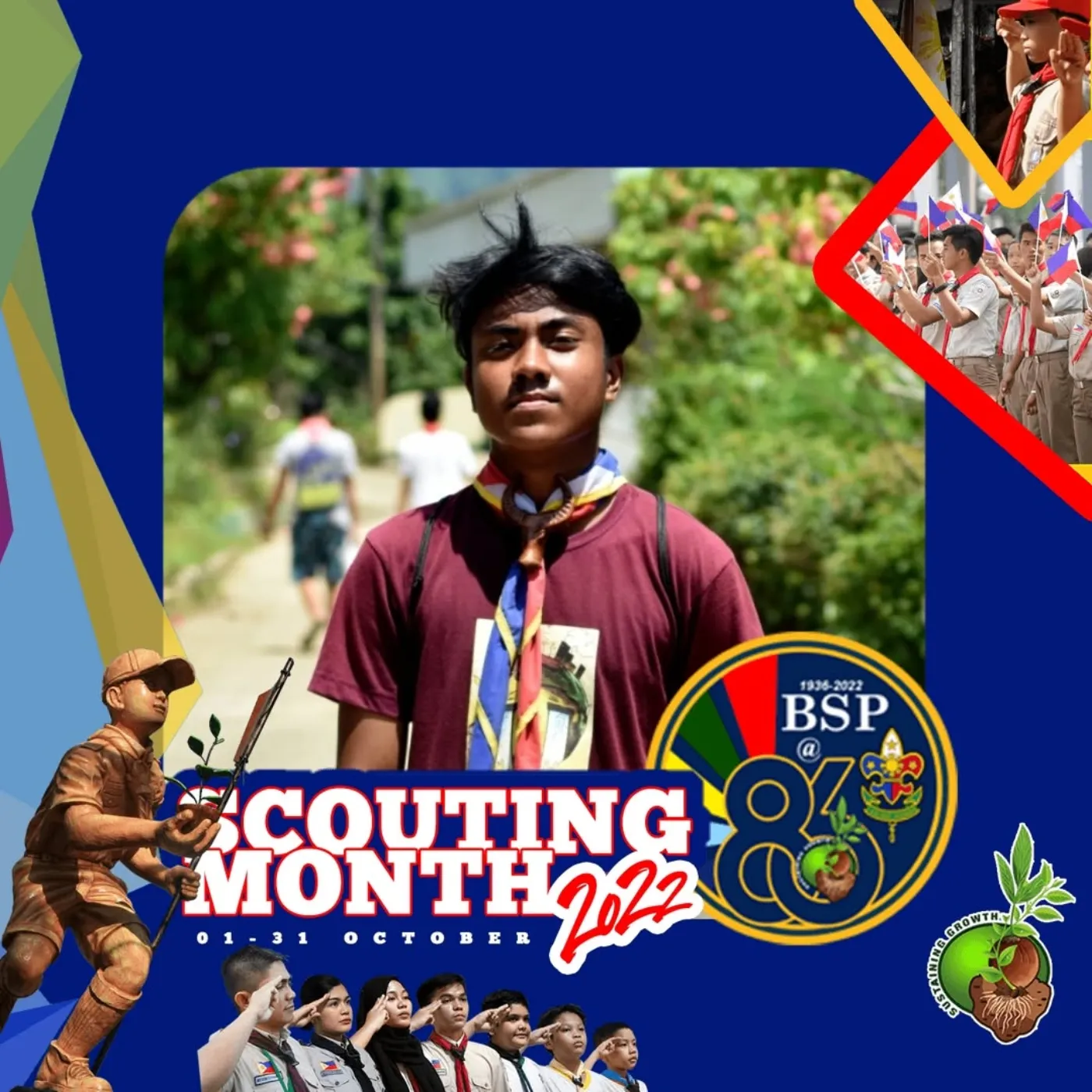
Before I ever led a team of engineers, I learned to lead in a very different setting. I came up through scouting as a Senior Scout and earned the Venturer rank, the kind of thing that sounds small until you realize how much of it stuck.
Scouting drilled the unglamorous fundamentals into me: show up prepared, look after the person next to you, stay calm when the plan falls apart, and finish what you start even when you're tired and far from home. Years later, running on no sleep against a deadline, those were exactly the muscles I leaned on.
Words came before code
Before I ever shipped a line of code, I wrote.
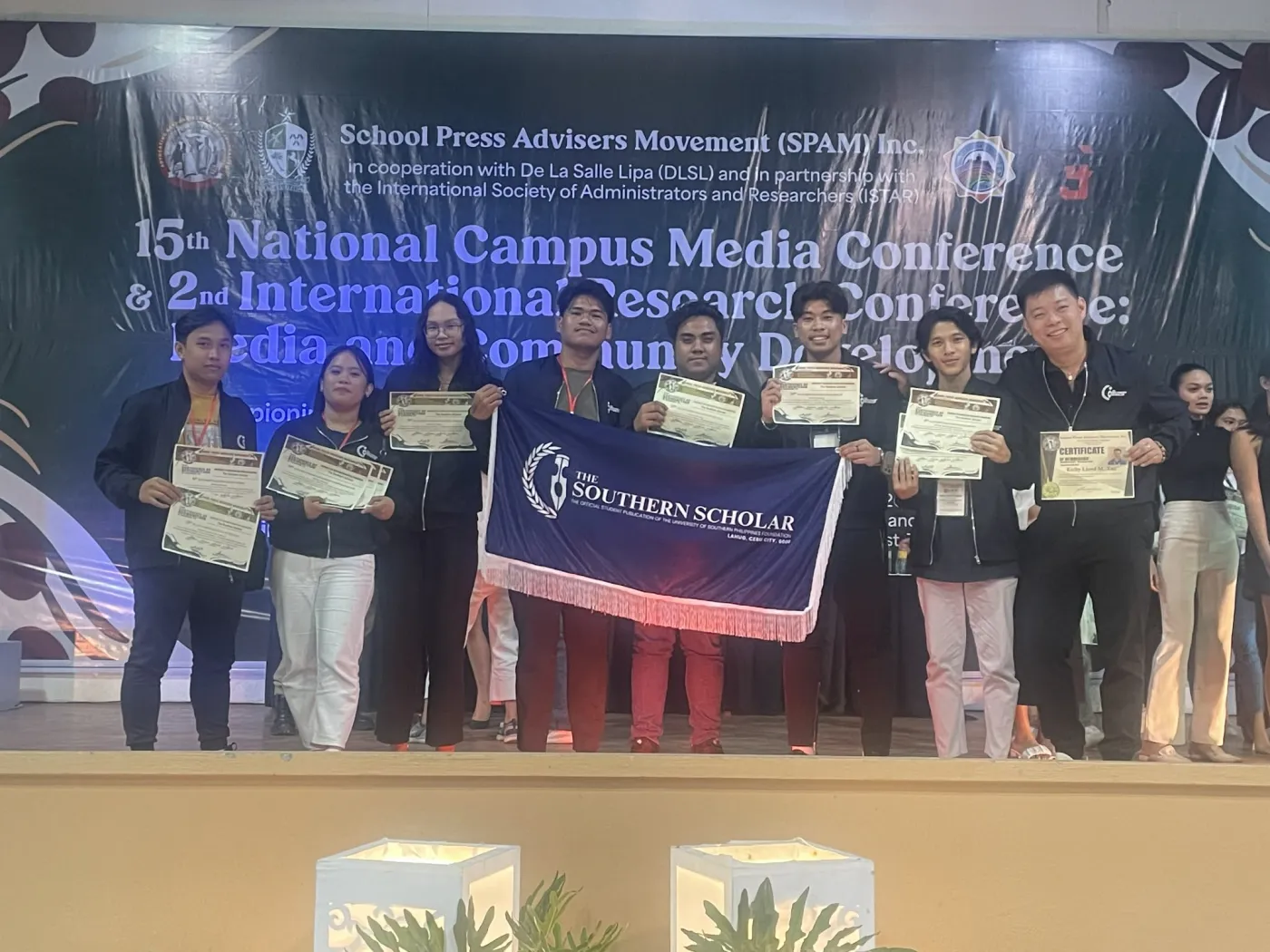
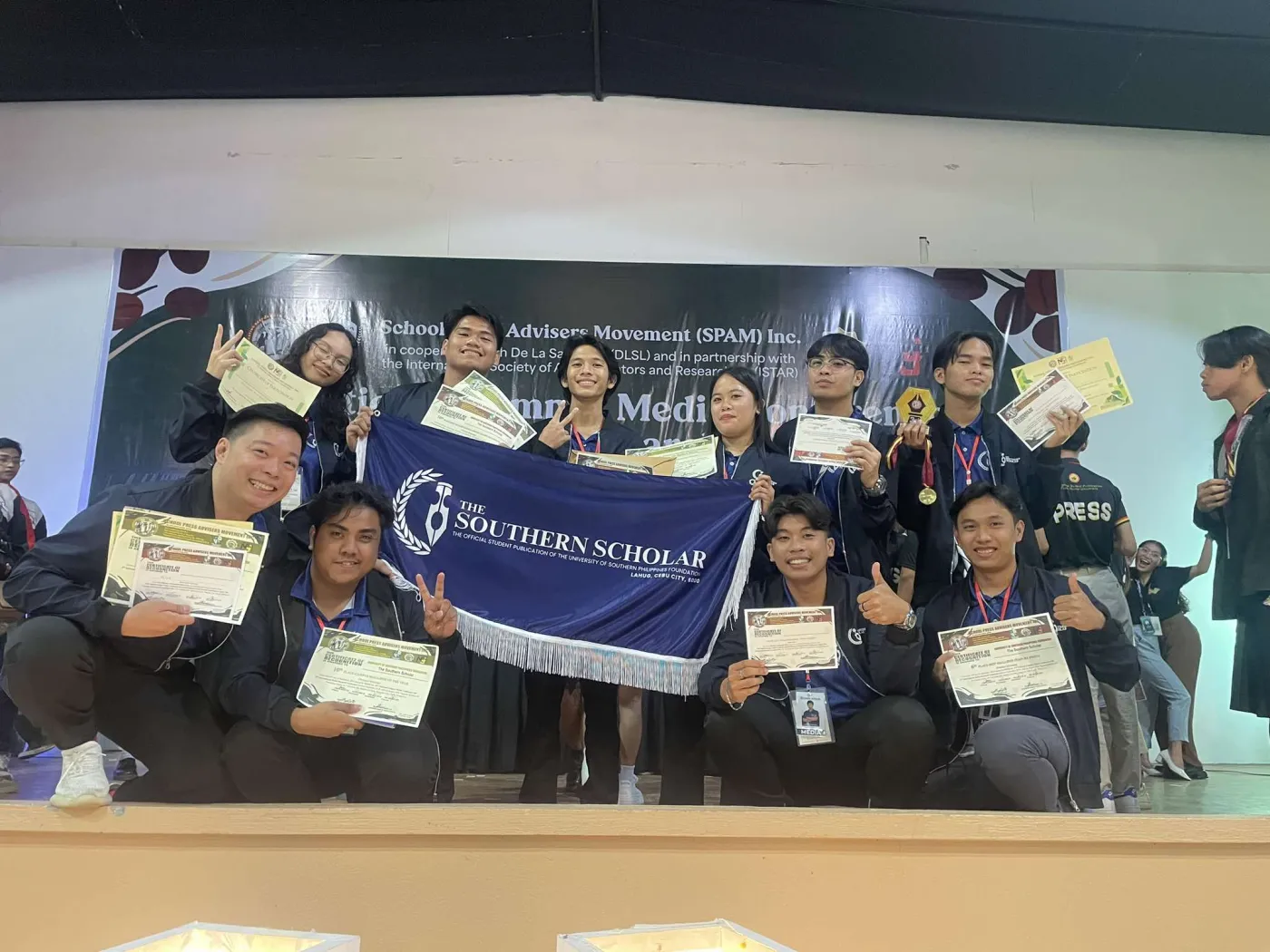
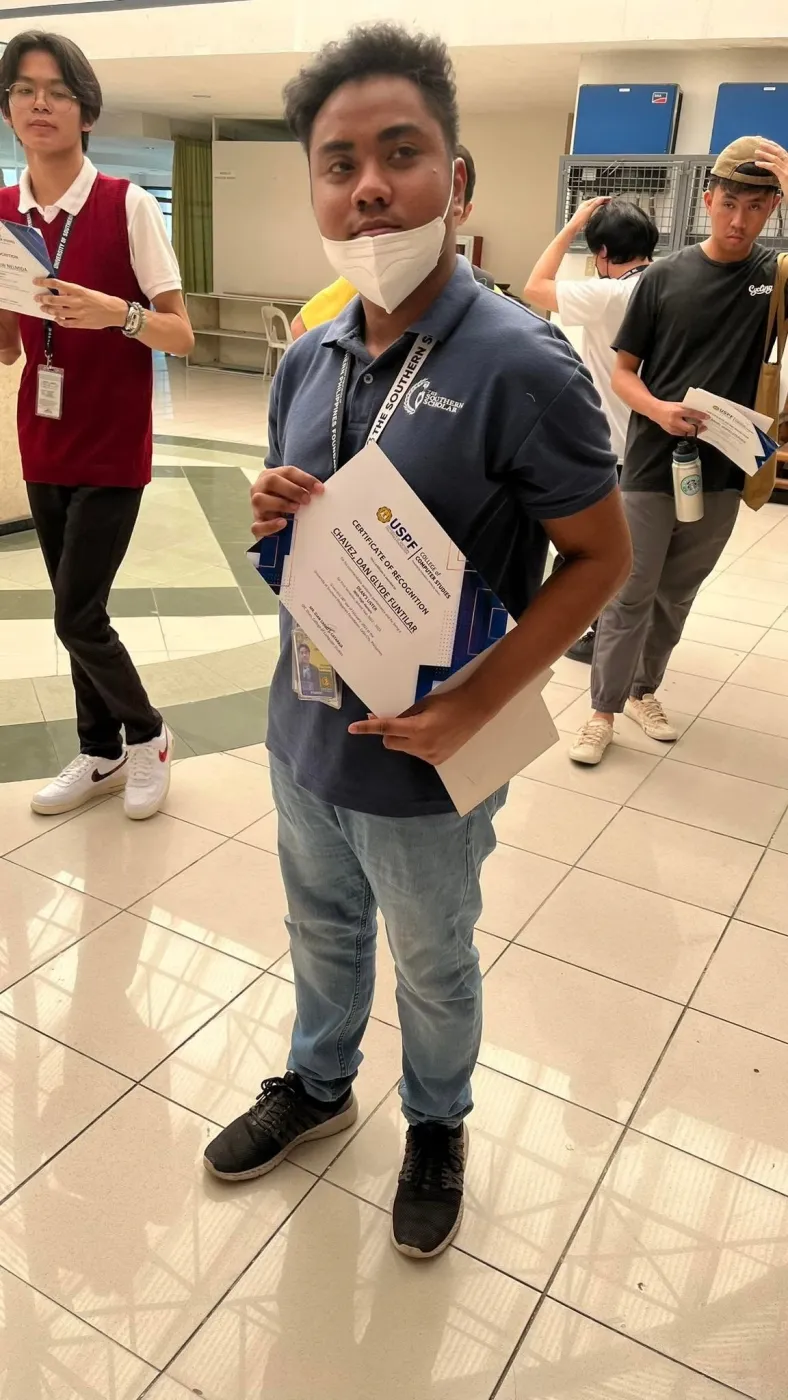
I've been a campus journalist since elementary school. In high school at Dumalag Central National High School, I wrote for our publication, The Primeval. And in college, I became part of The Southern Scholar, the official student publication of USPF. Journalism taught me to notice things, to ask better questions, and to tell a story people actually want to read. It's a big reason this blog exists at all.
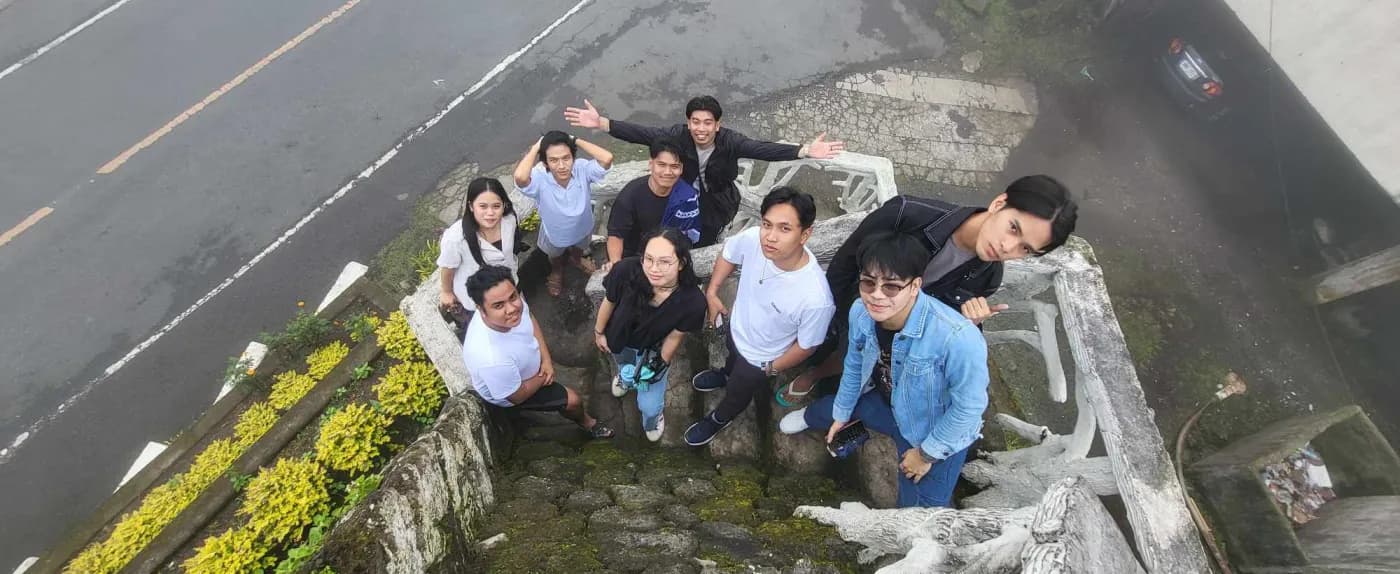
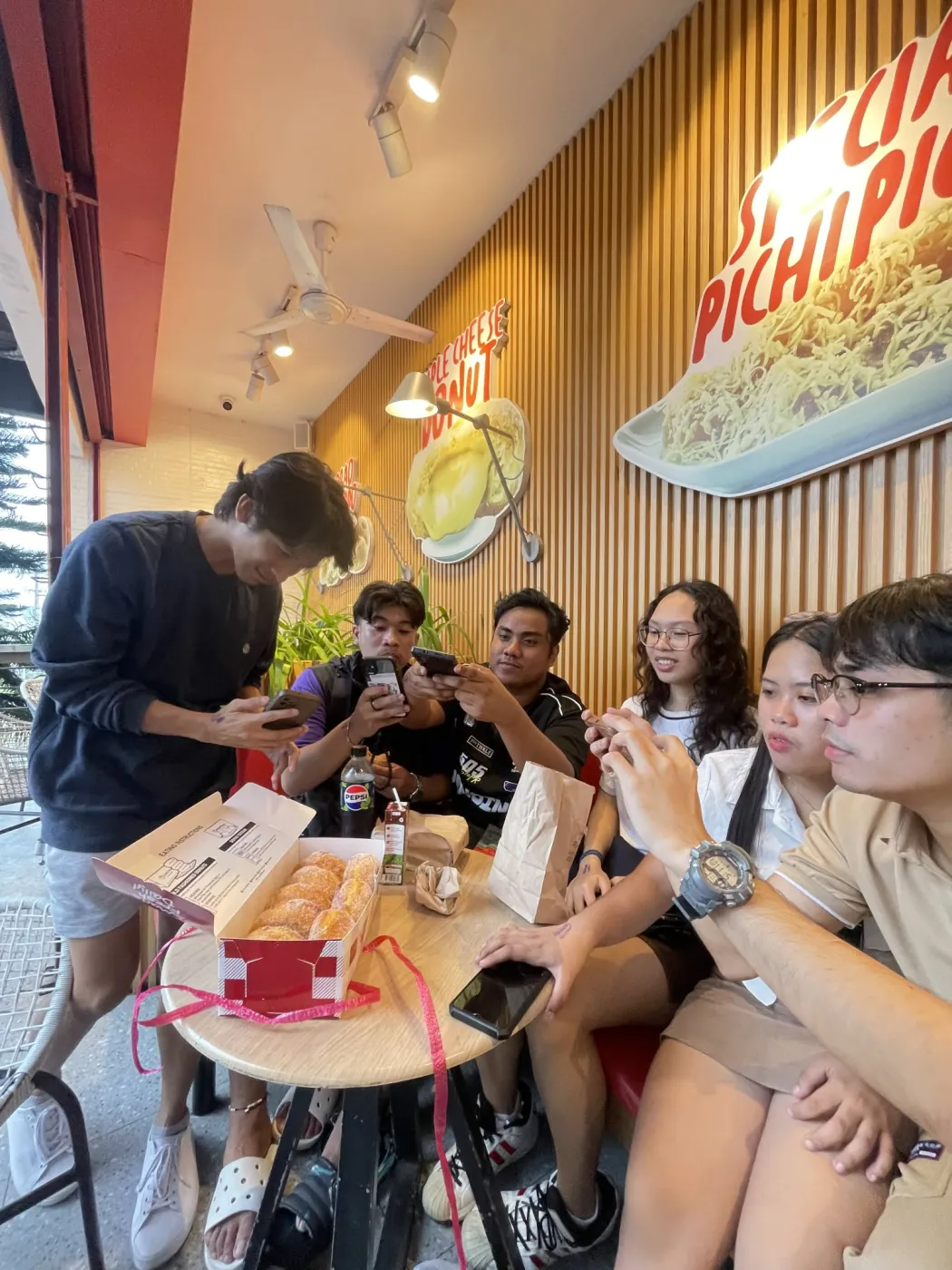
It also took me places. The Southern Scholar sent us to national campus press conferences as far as Tagaytay and Zamboanga, and put me on stages I never expected to stand on.
The problem no one else could solve
In my first year at USPF, our college held its CCS Days, and there was a problem-solving challenge as part of it. I sat down with it and, as it turned out, I was the only one who managed to solve it.
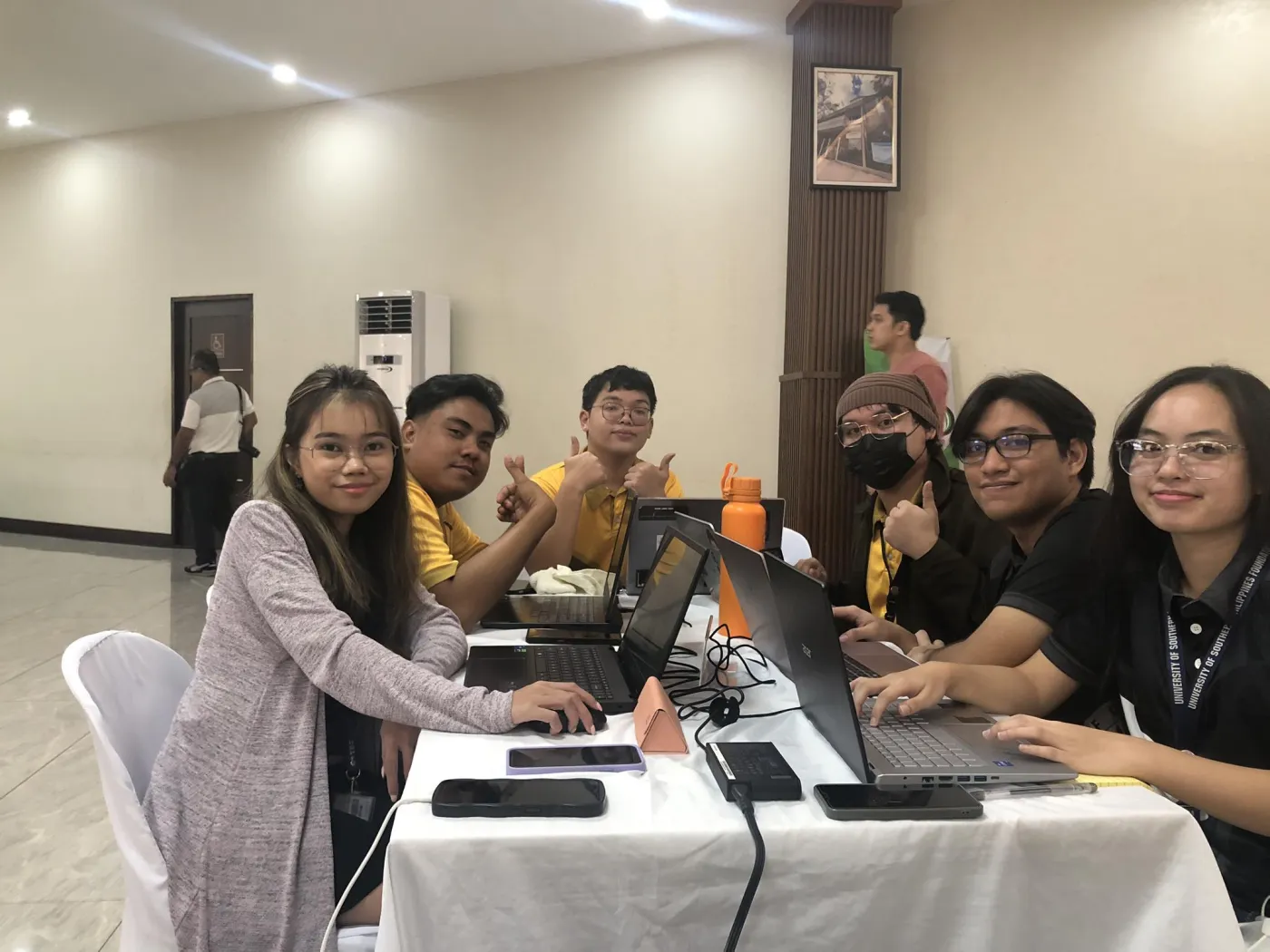
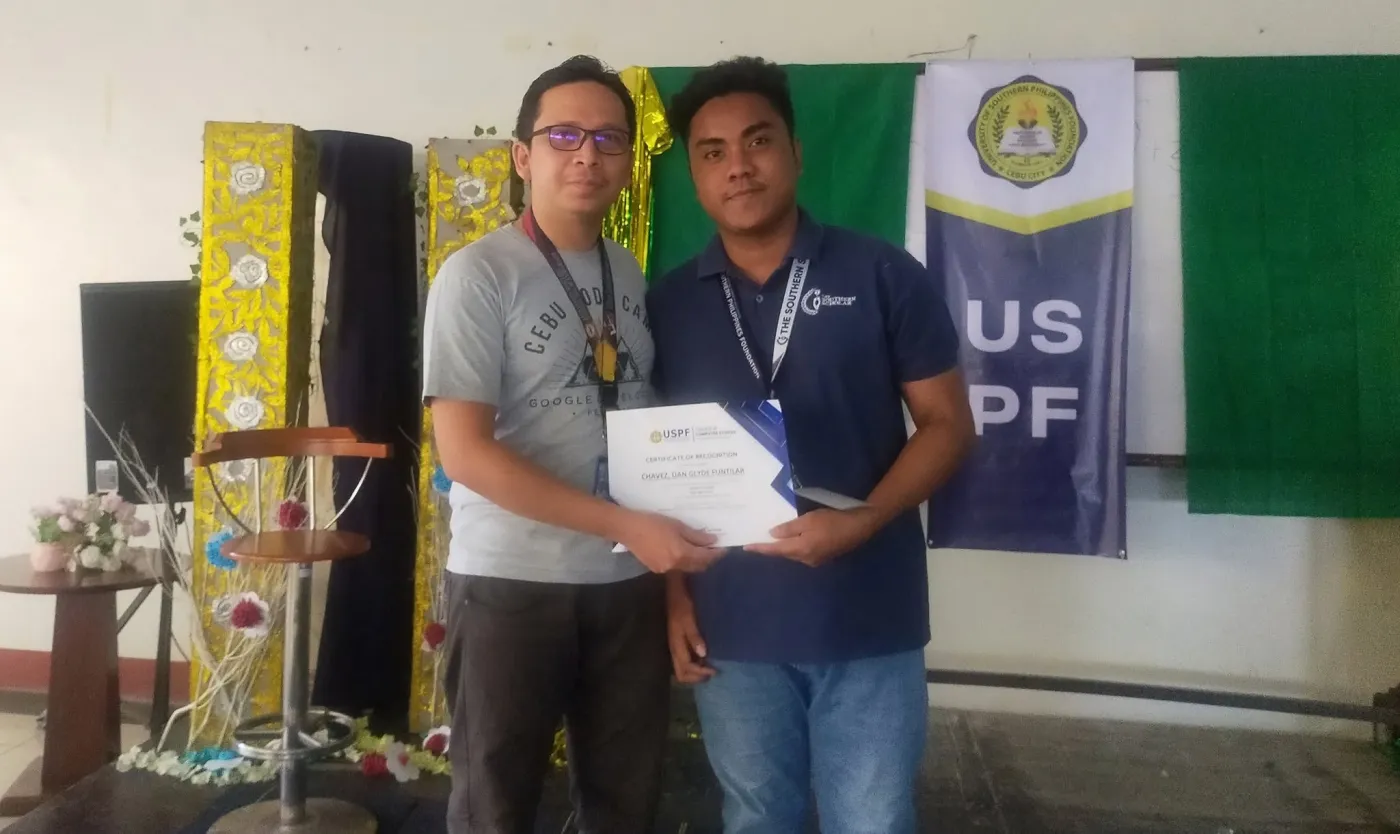
That one moment changed my trajectory. The adviser in charge of that challenge, Mr. Boi Archievald Ranay, sought me out afterward and asked me to join a hackathon, alongside third and fourth year students, while I was still a freshman. My first one was the Cebu Interschool Hackathon spearheaded by CIB.O and JobTarget, going up against teams from universities all over the city. We didn't win. But I bonded with those upperclassmen in a way that stuck, and I walked out certain this was the room I wanted to be in.
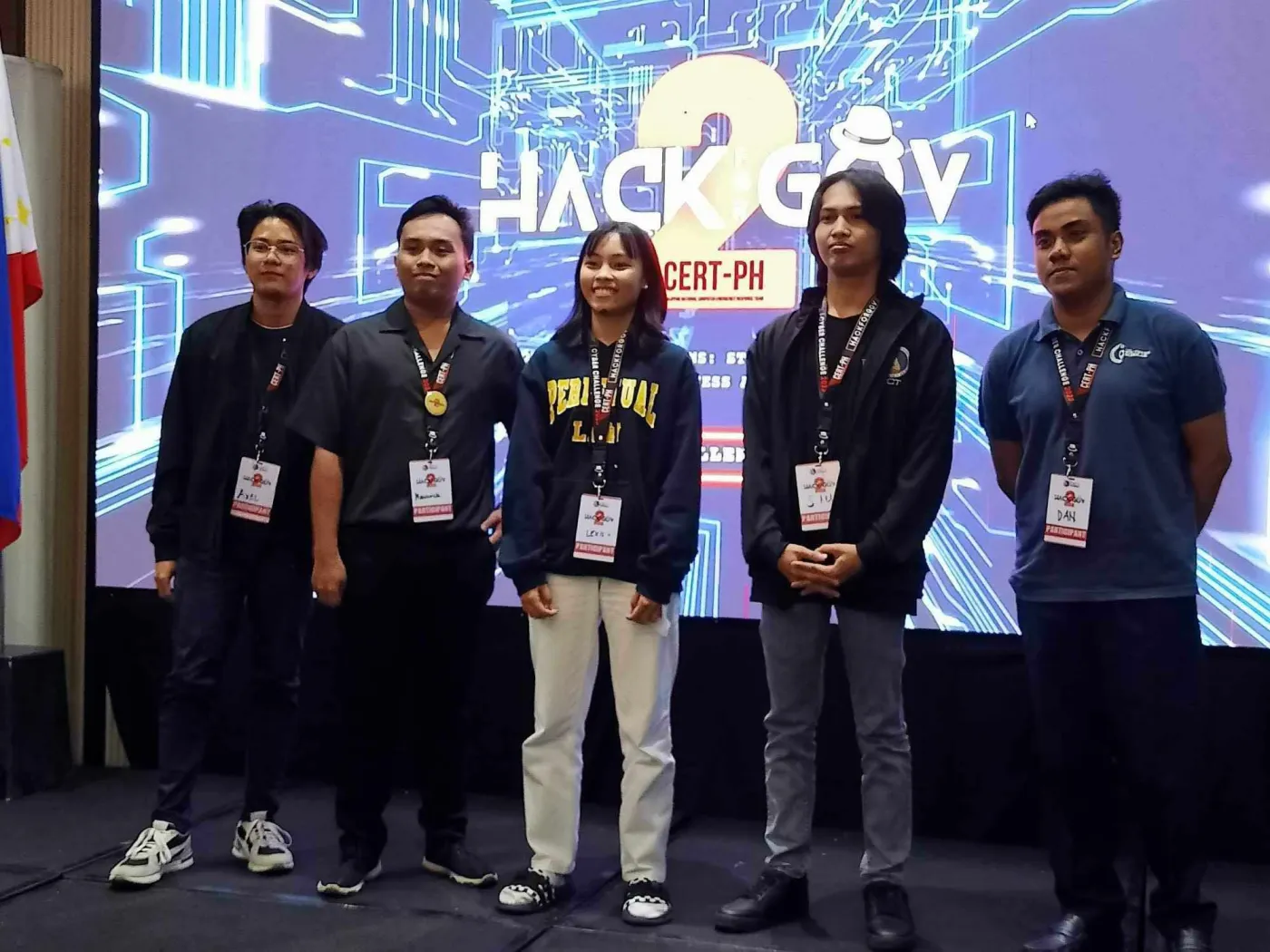
That was just the start. Over the next few years I kept showing up for interschool competitions, from more hackathons to the HACK4GOV cyber challenge, learning to think and build under pressure against the best teams in the region.
Building for my university
That recognition opened a door that quietly reshaped everything: the chance to become a working scholar and full stack developer for USPF ICT, building real systems for the university while I studied at it.
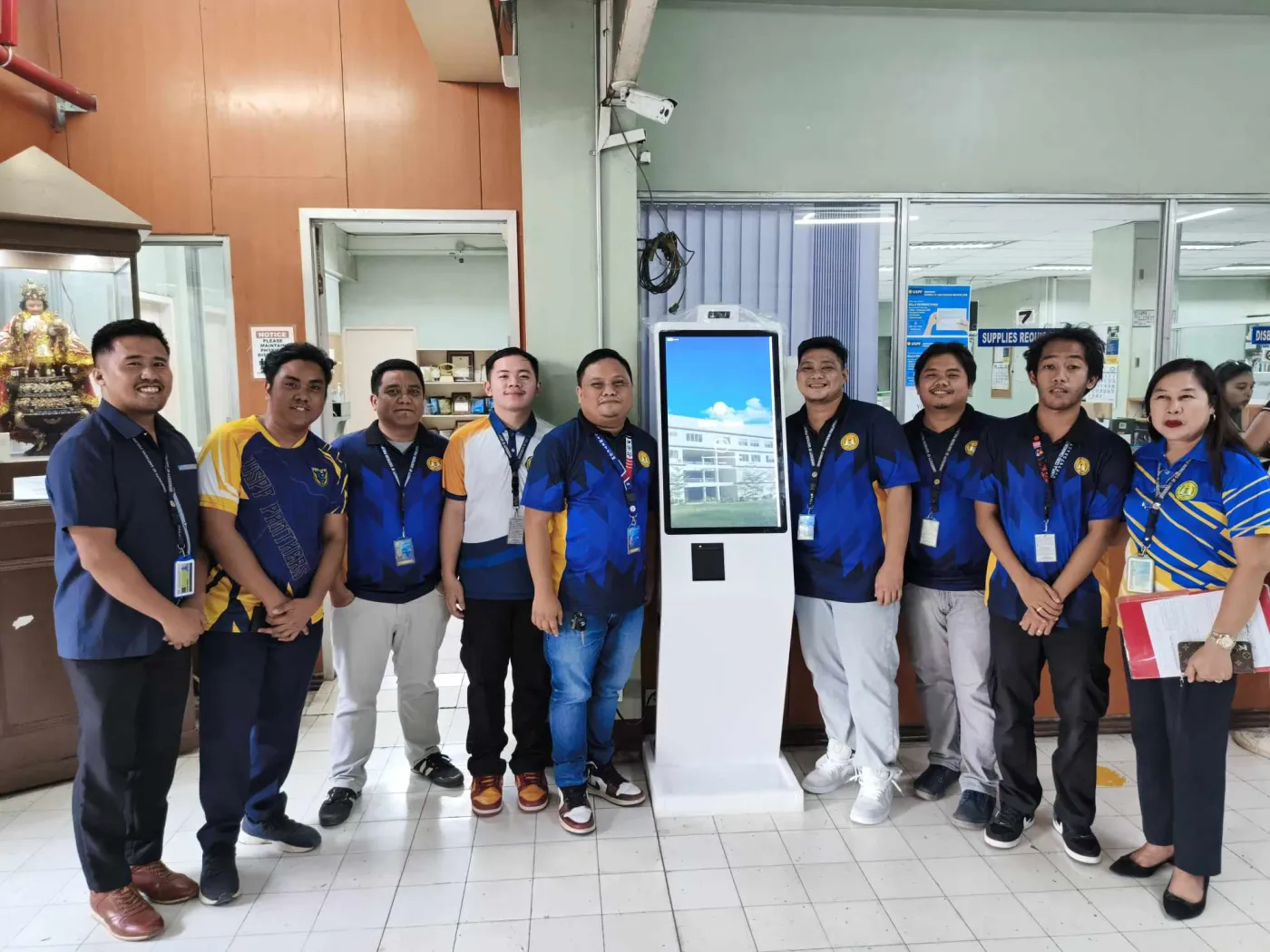
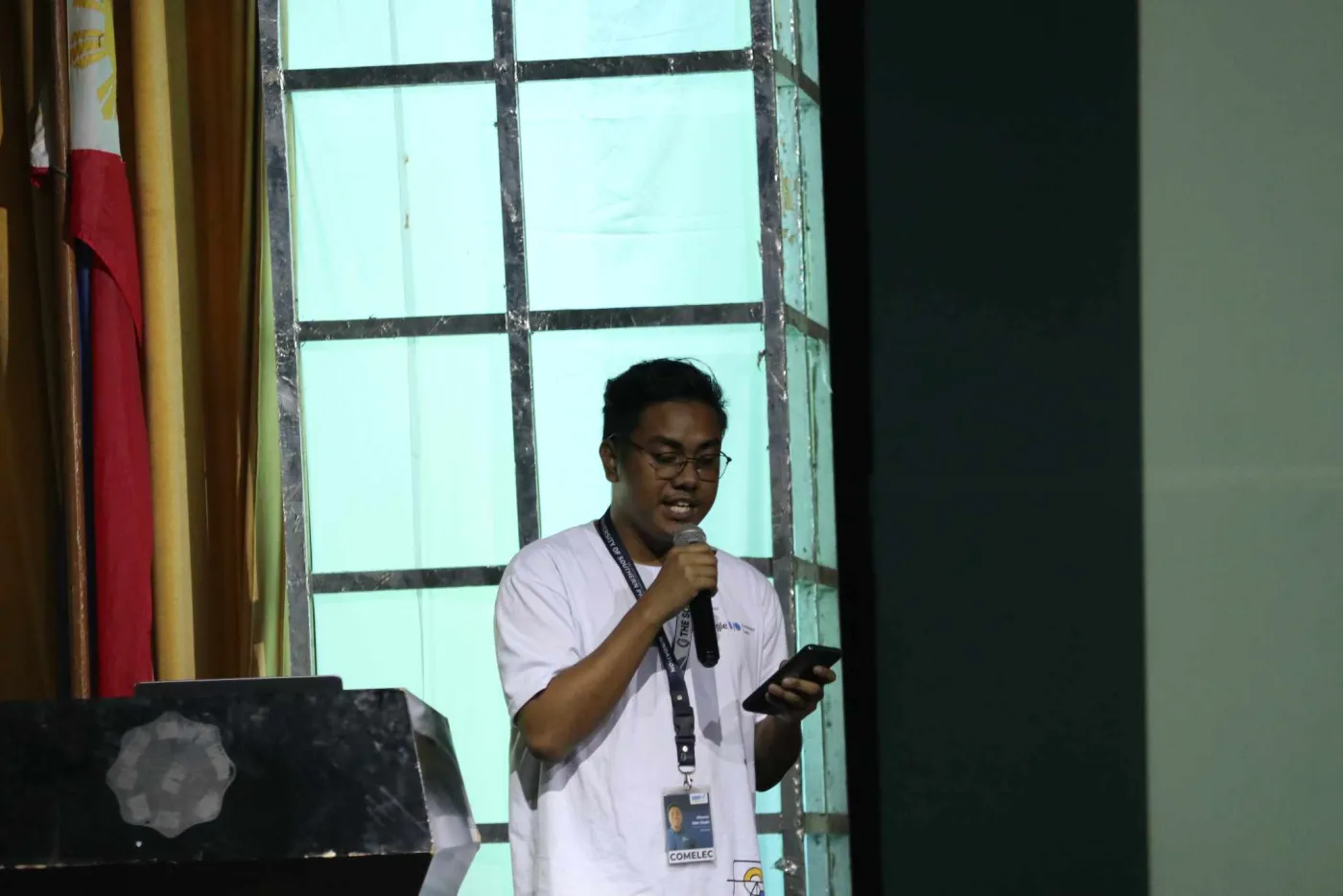
And I built a lot. A multi-agent AI chat system for admissions, the registrar, and finance; a React Native campus digital app that pulled together digital ID, RFID attendance, statements of account, and payments; a Laravel and Vue.js queue management kiosk with real-time updates that served hundreds of students a day; secure online election platforms with cryptographic vote hashing; an electronic judging system; and a searchable digital repository for thousands of theses. I also got to stand in front of ICT and present our campus digital app and AUGI AI, the kind of moment that used to terrify the camera-shy version of me.
Leading the College of Computer Studies
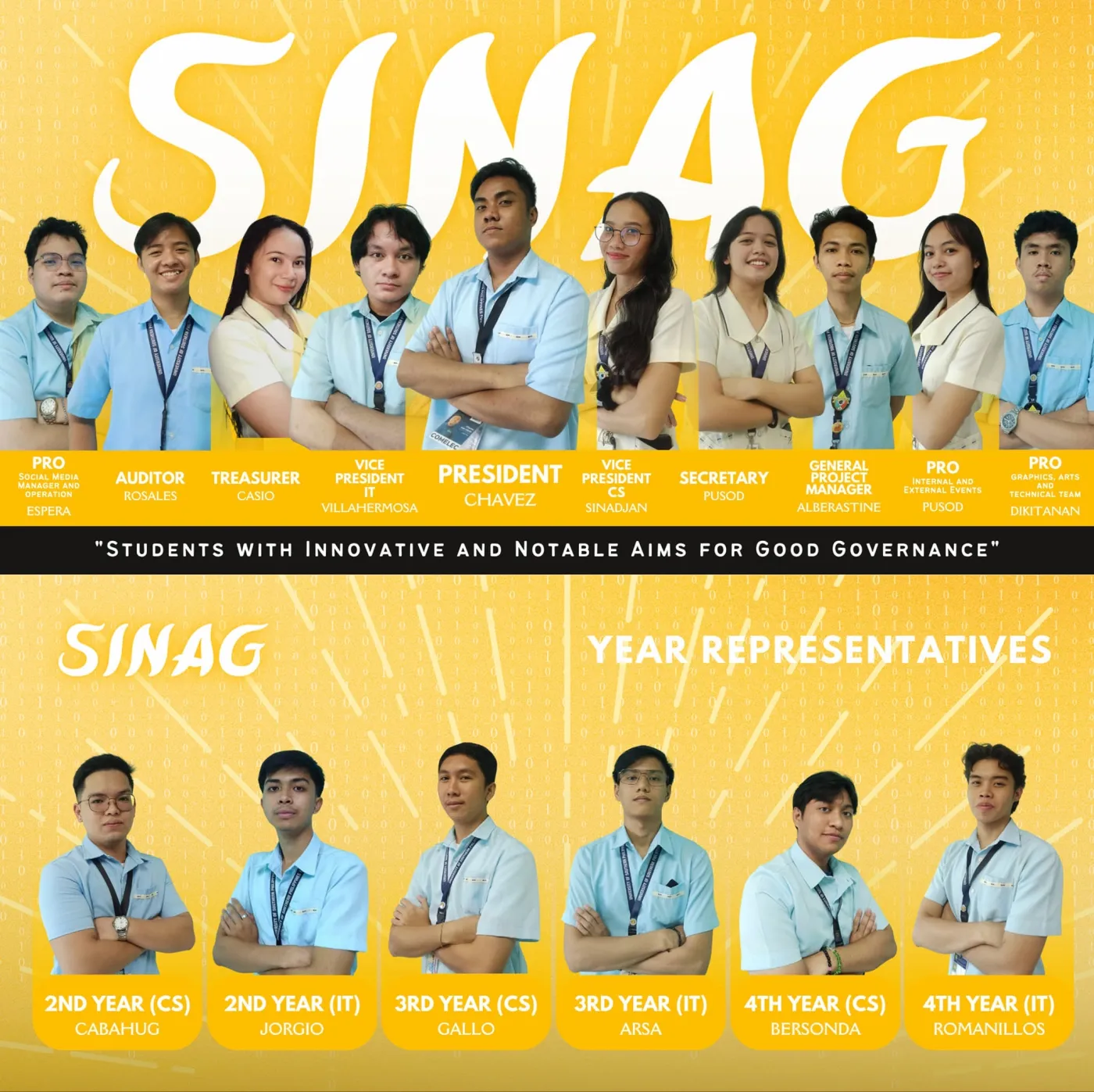
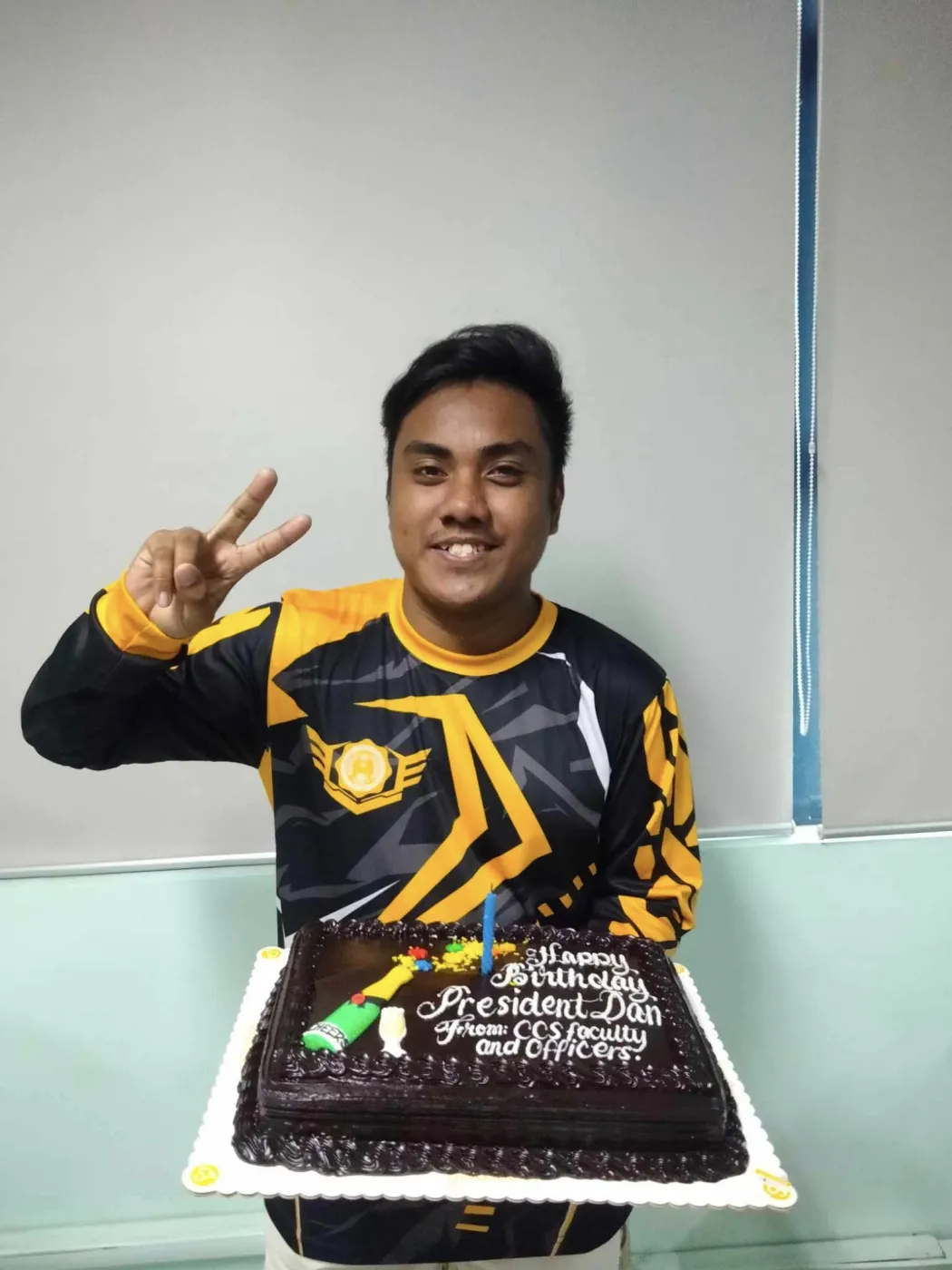
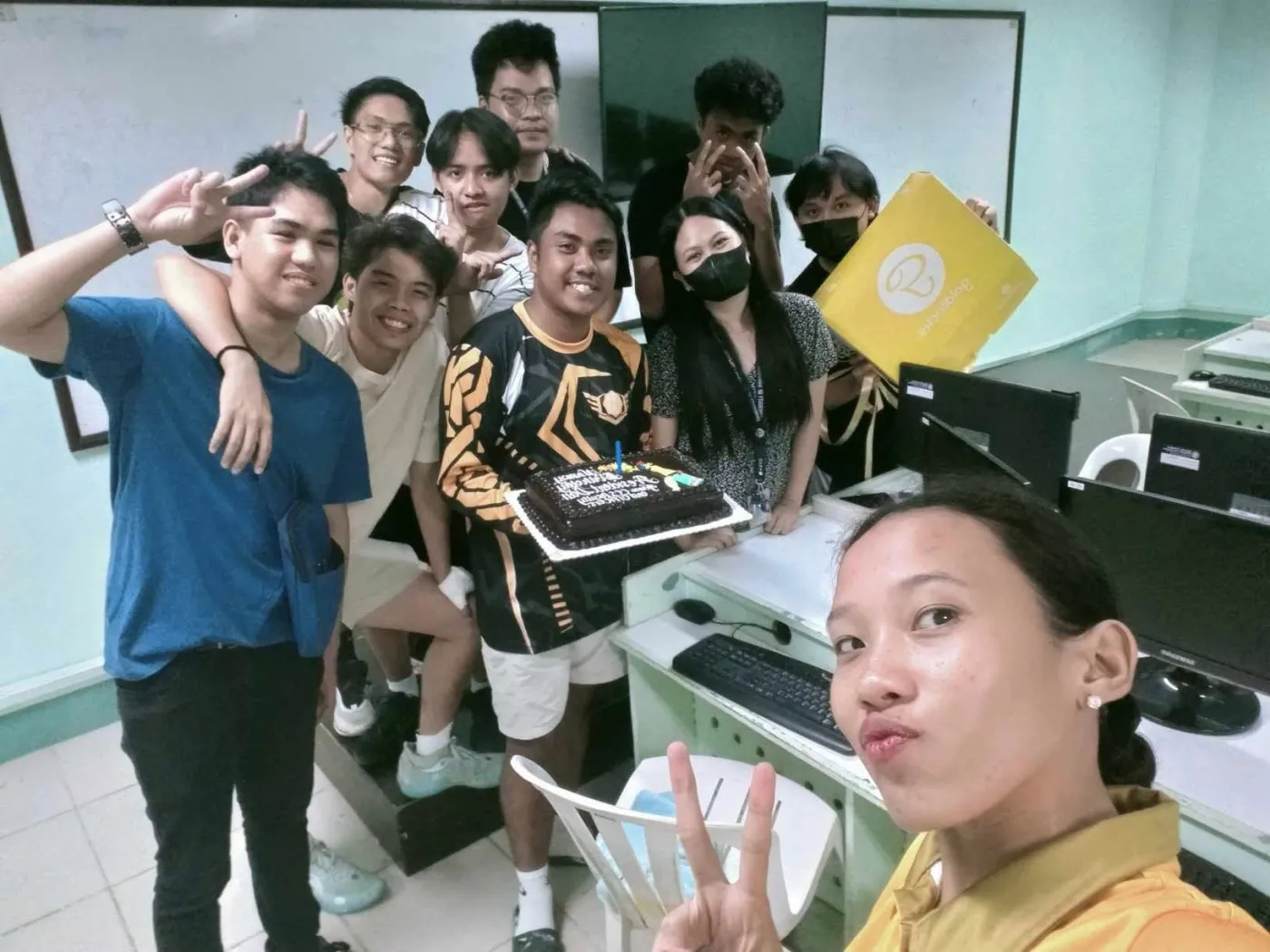
Somewhere along the way, the shy freshman who almost skipped his first hackathon ran for office, and ended up as president of the College of Computer Studies. That meant campaigning, representing our college in rooms I never pictured myself in, including inter-org meetings with the other university IT and CS organizations, and looking after the people coming up behind me.
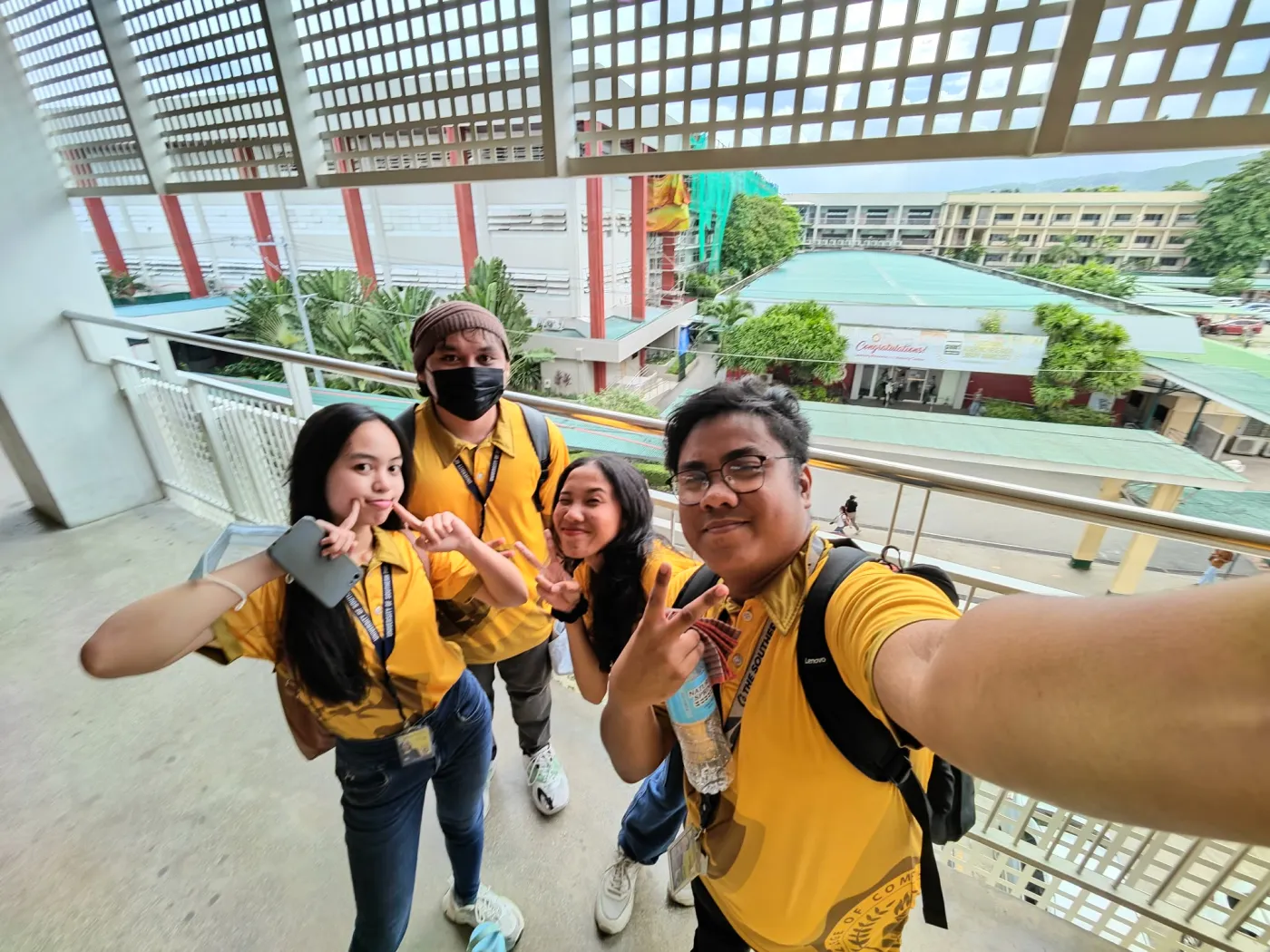
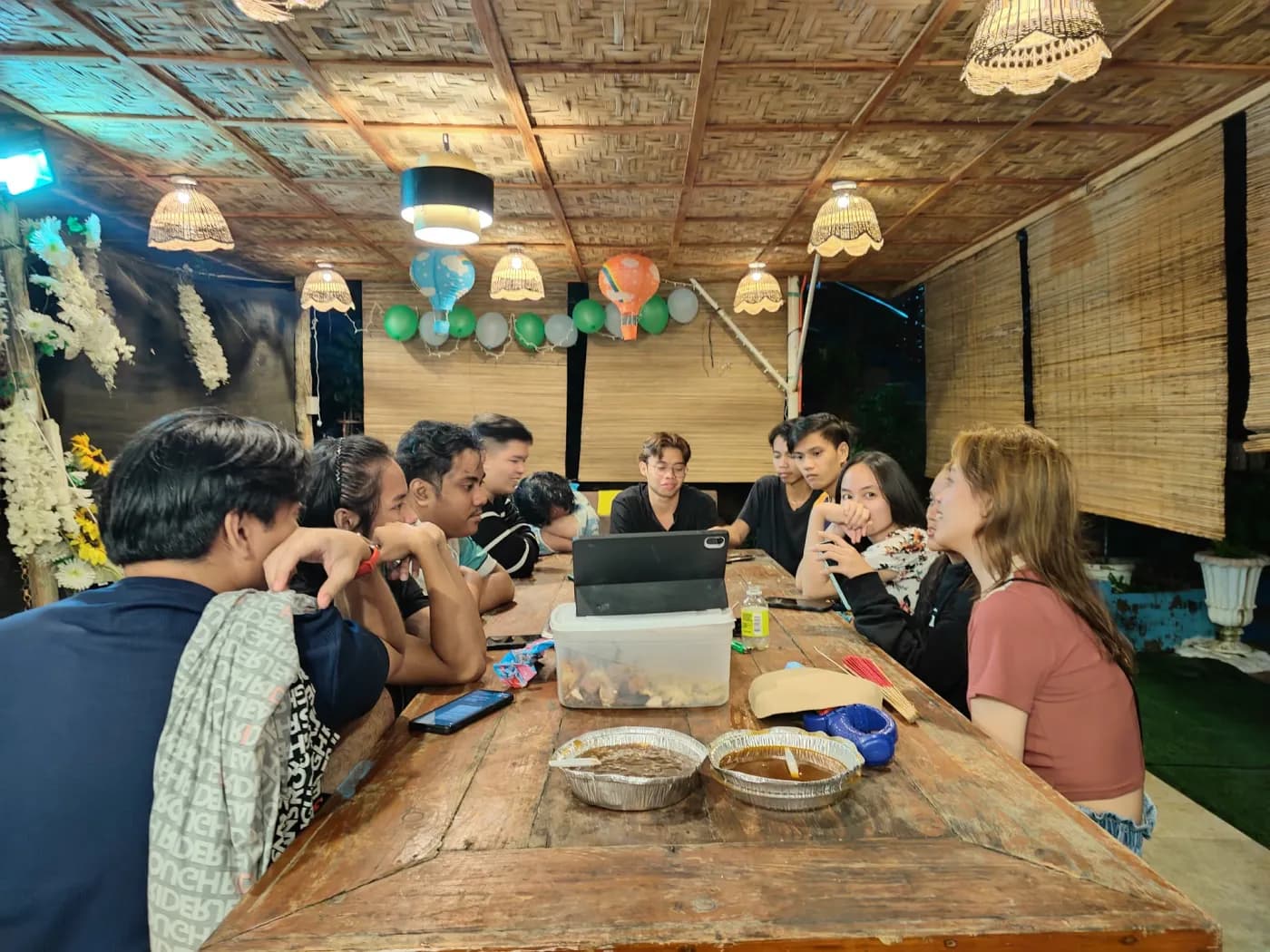
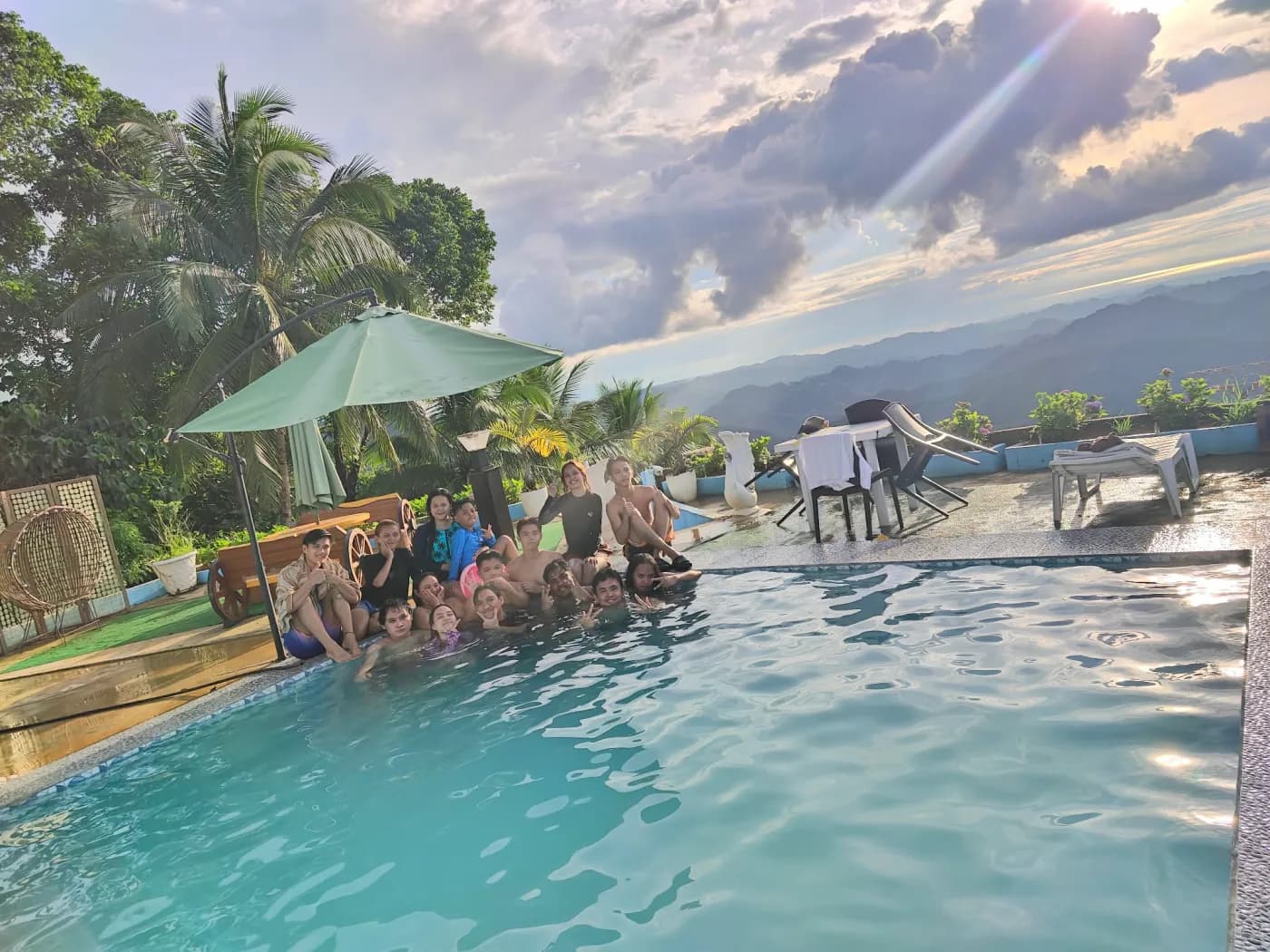
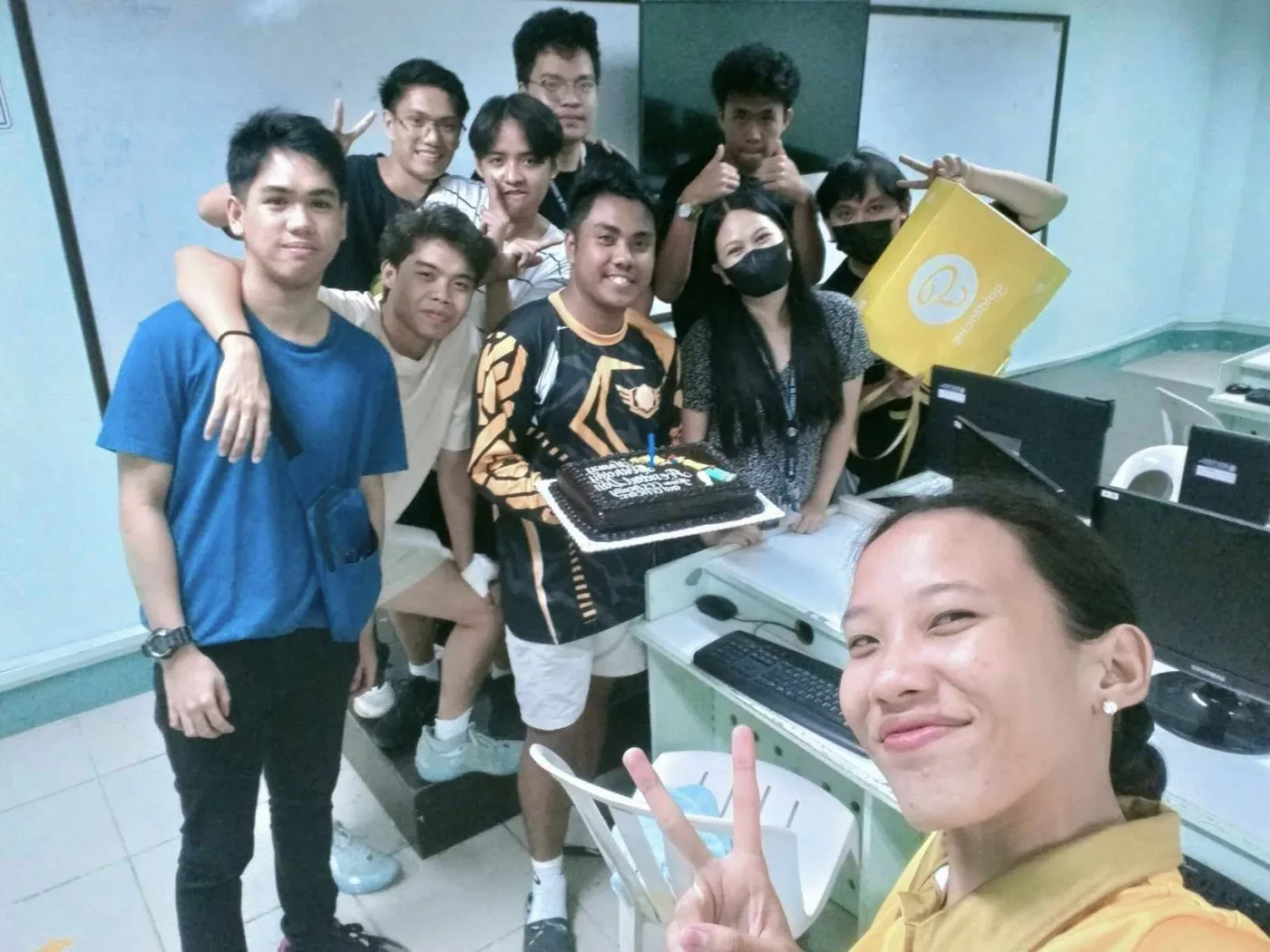
It wasn't all serious business. Some of my favorite memories are the small ones, like my officers surprising me on my birthday, which happened to land on the same day as our soccer game at the USPF intramurals.
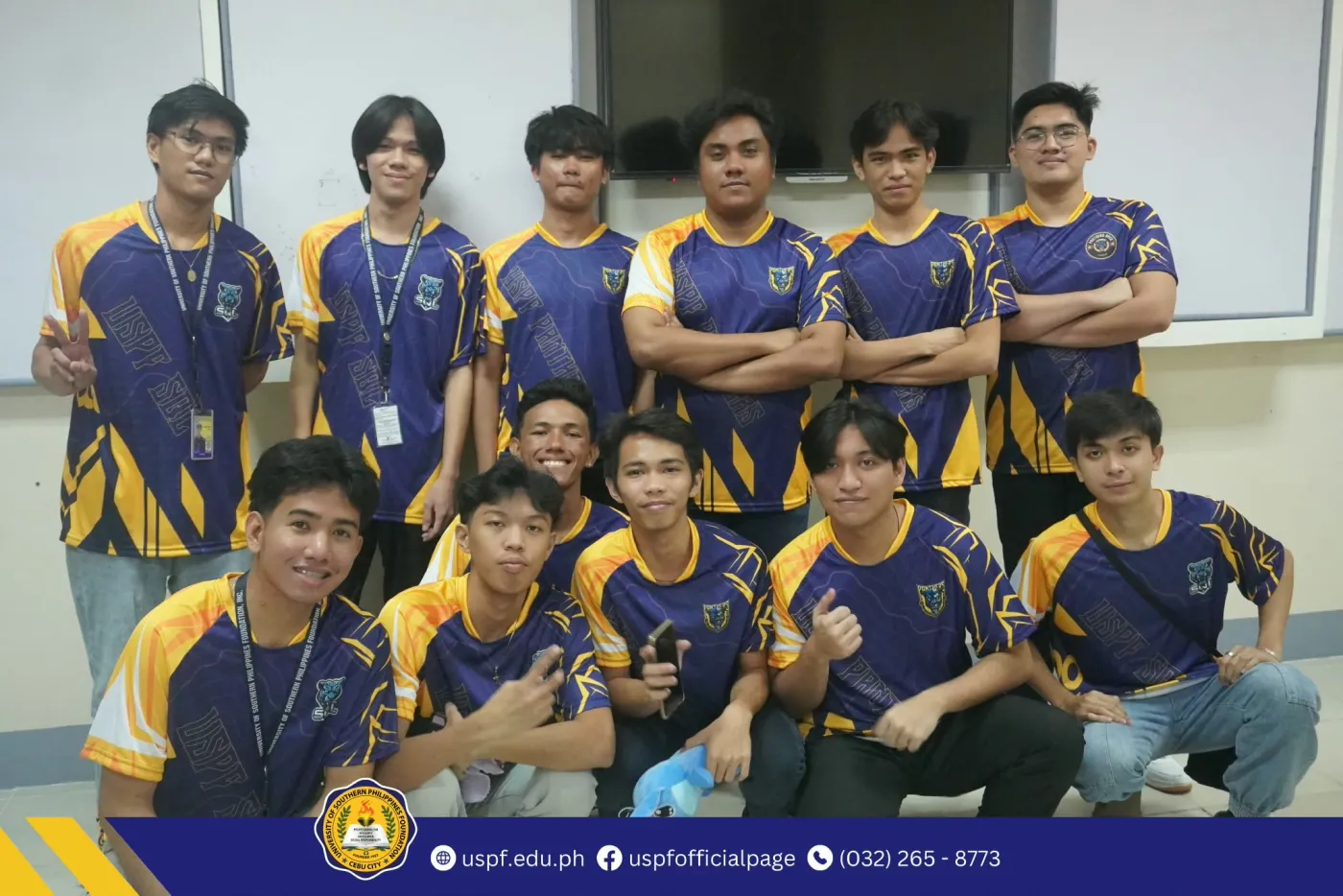
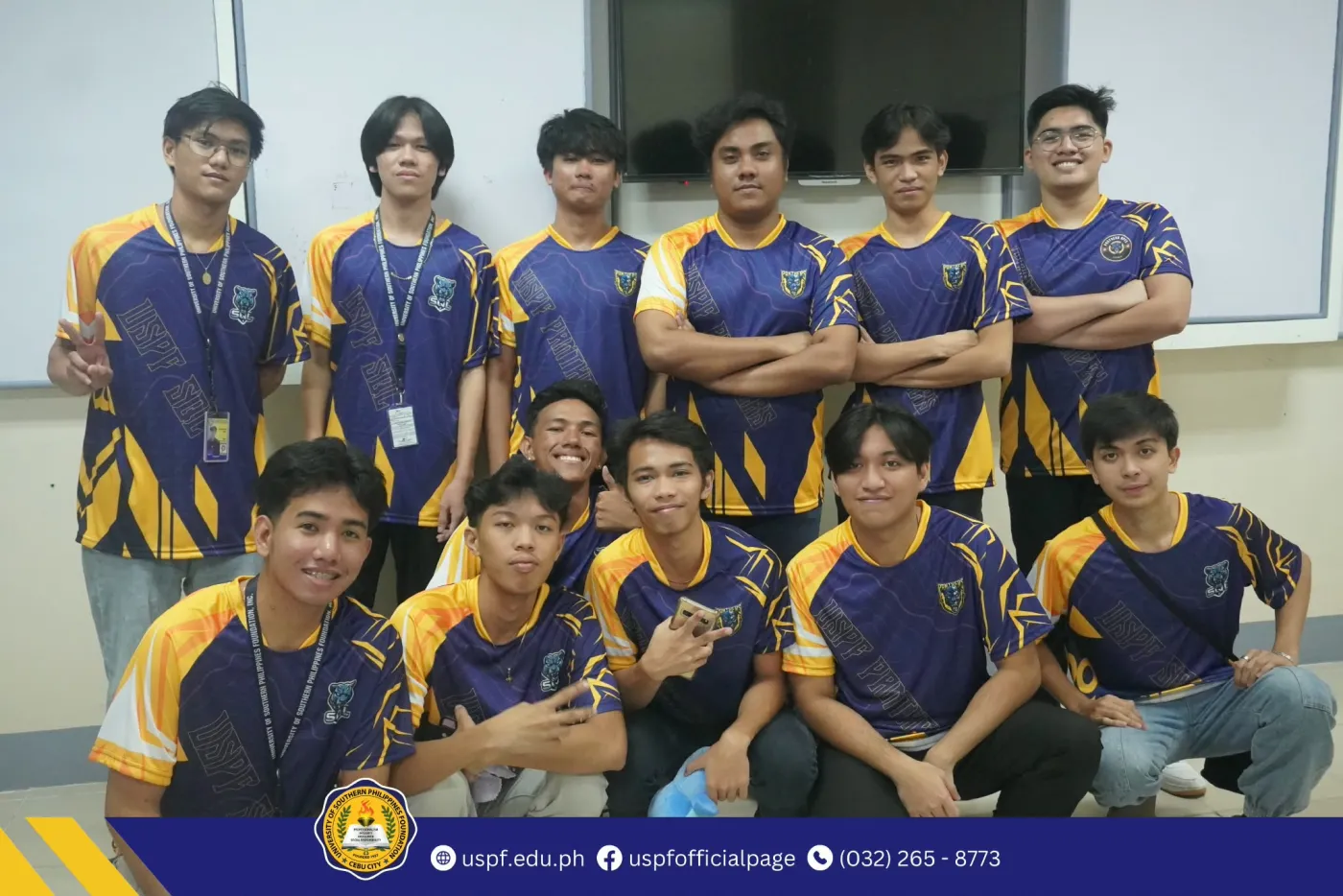
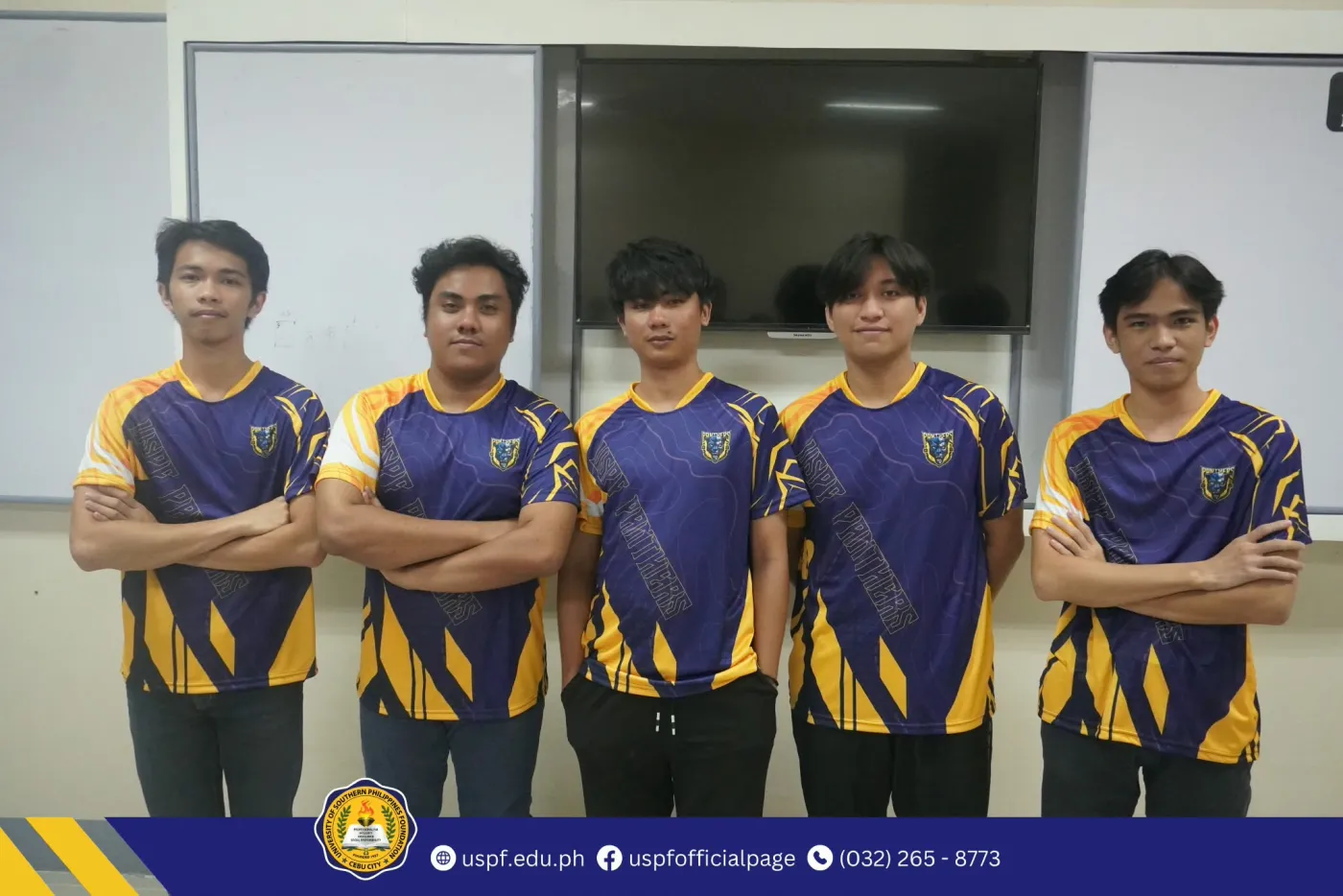
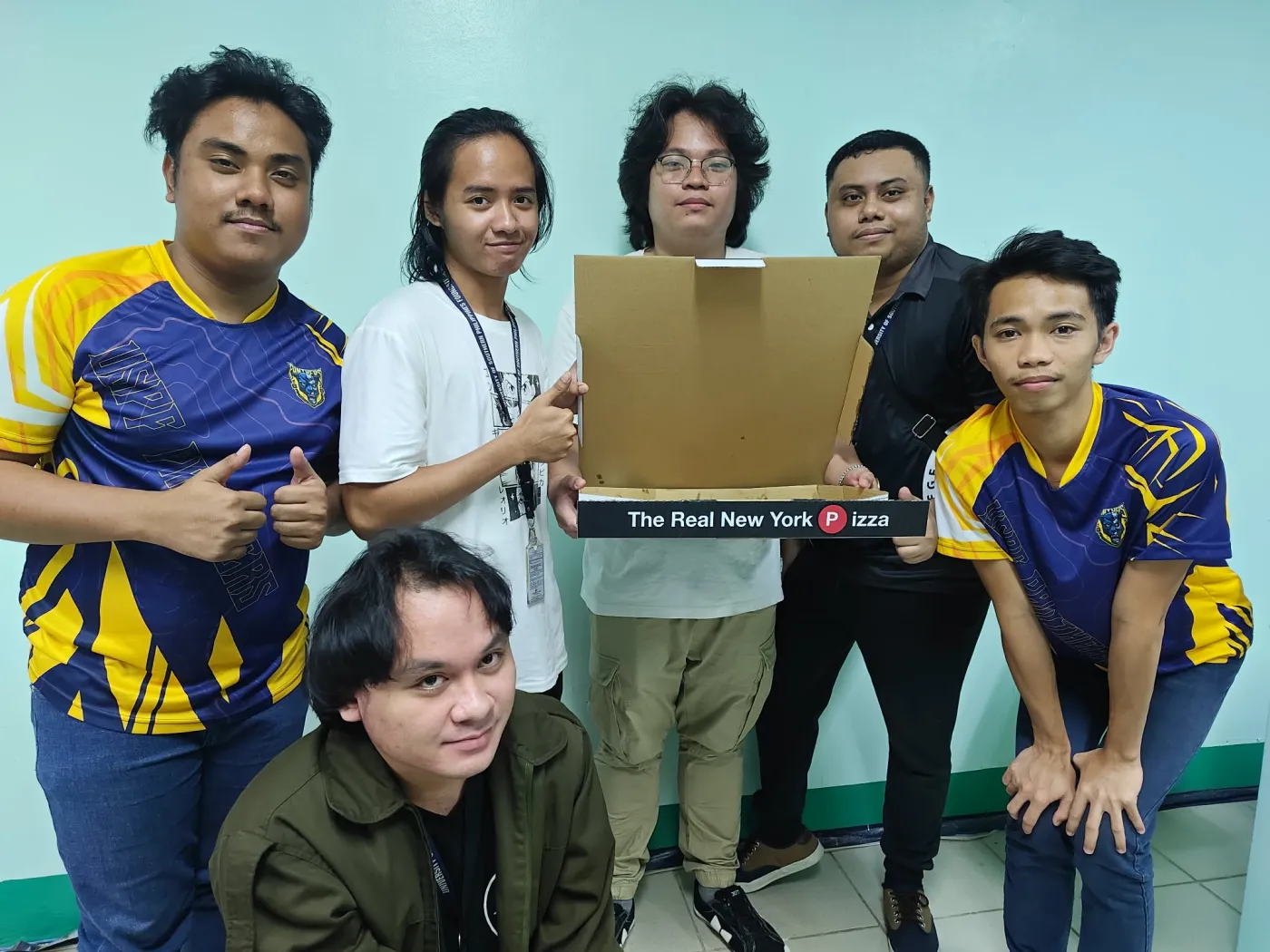
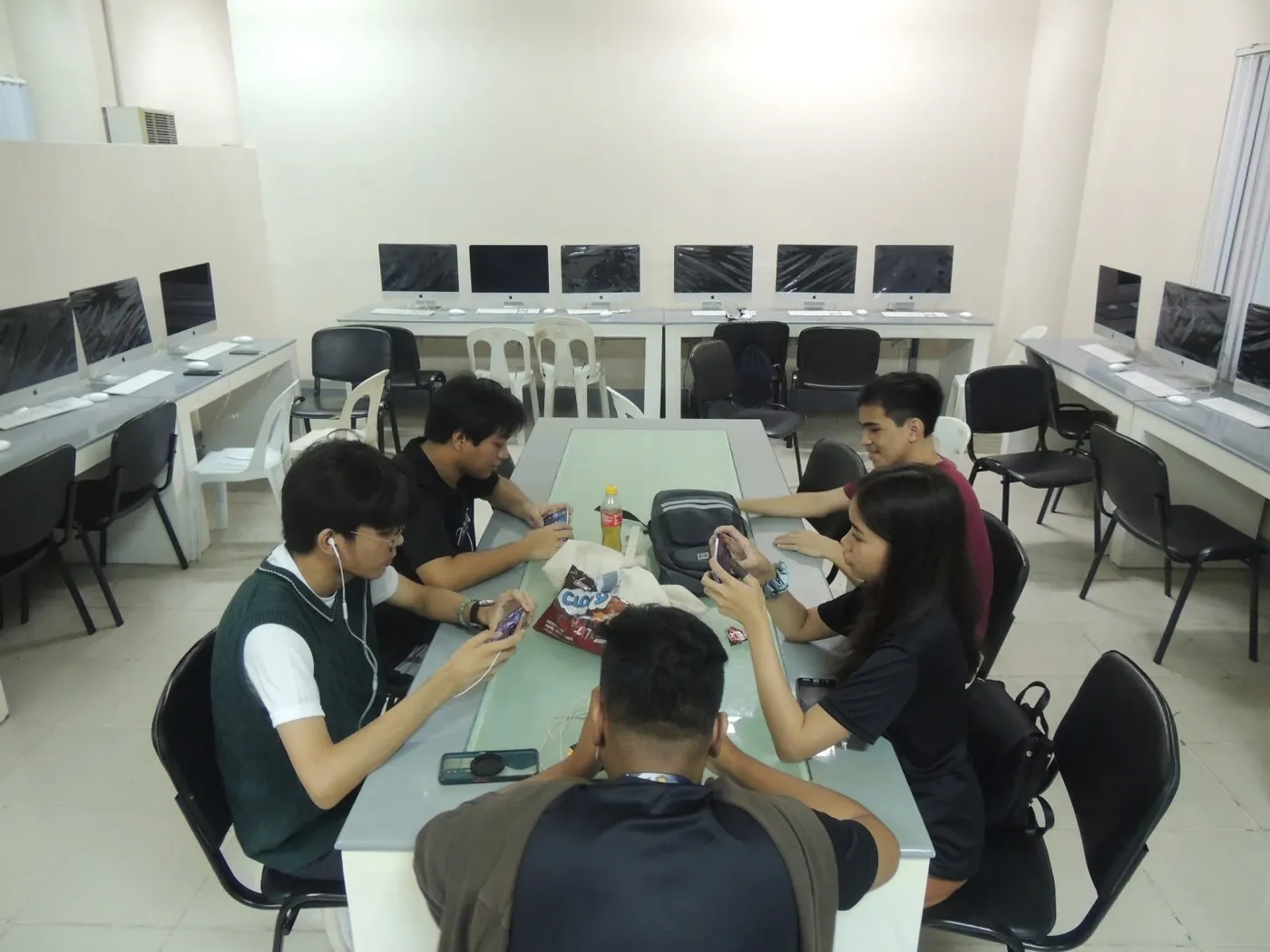
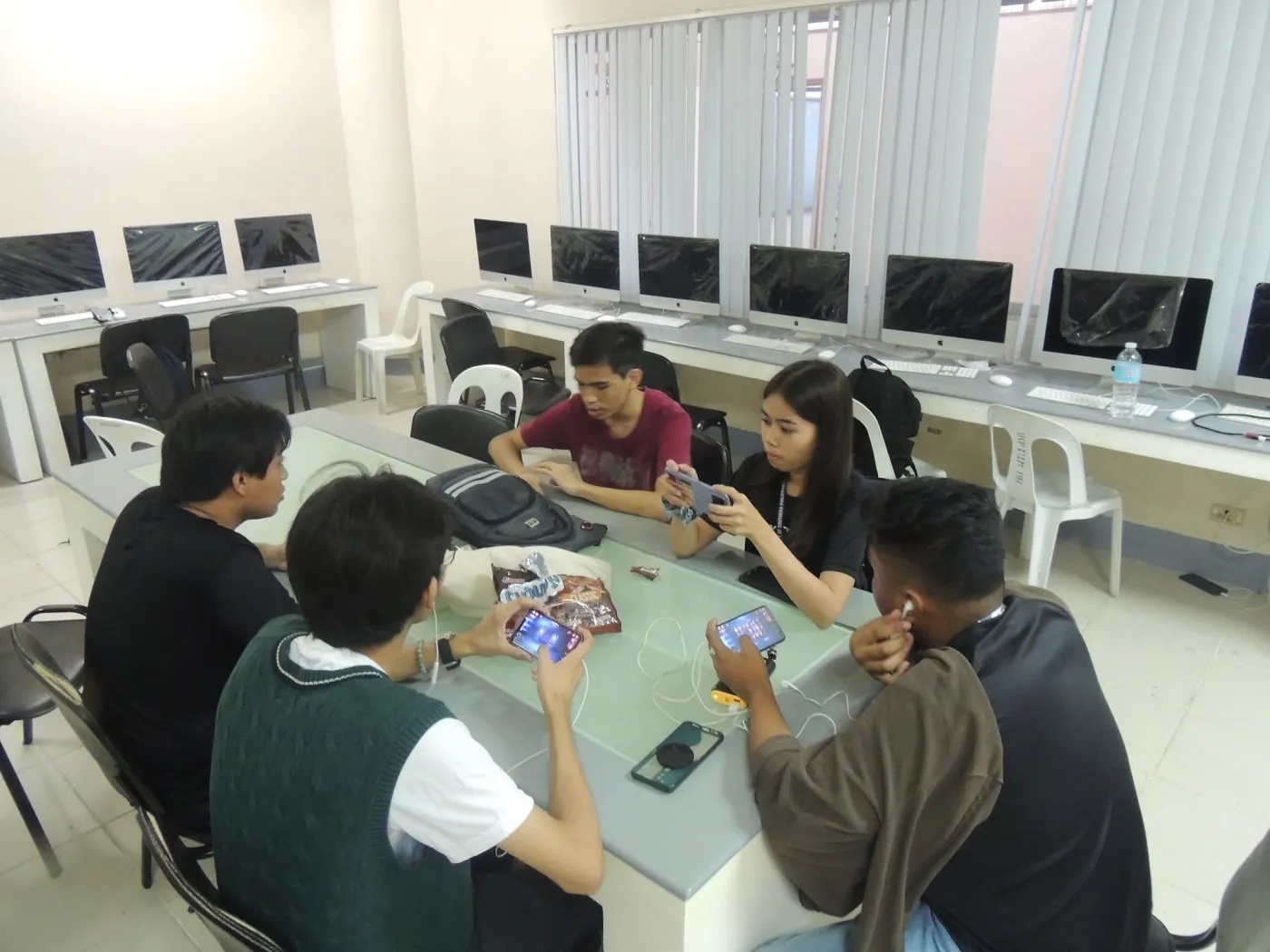
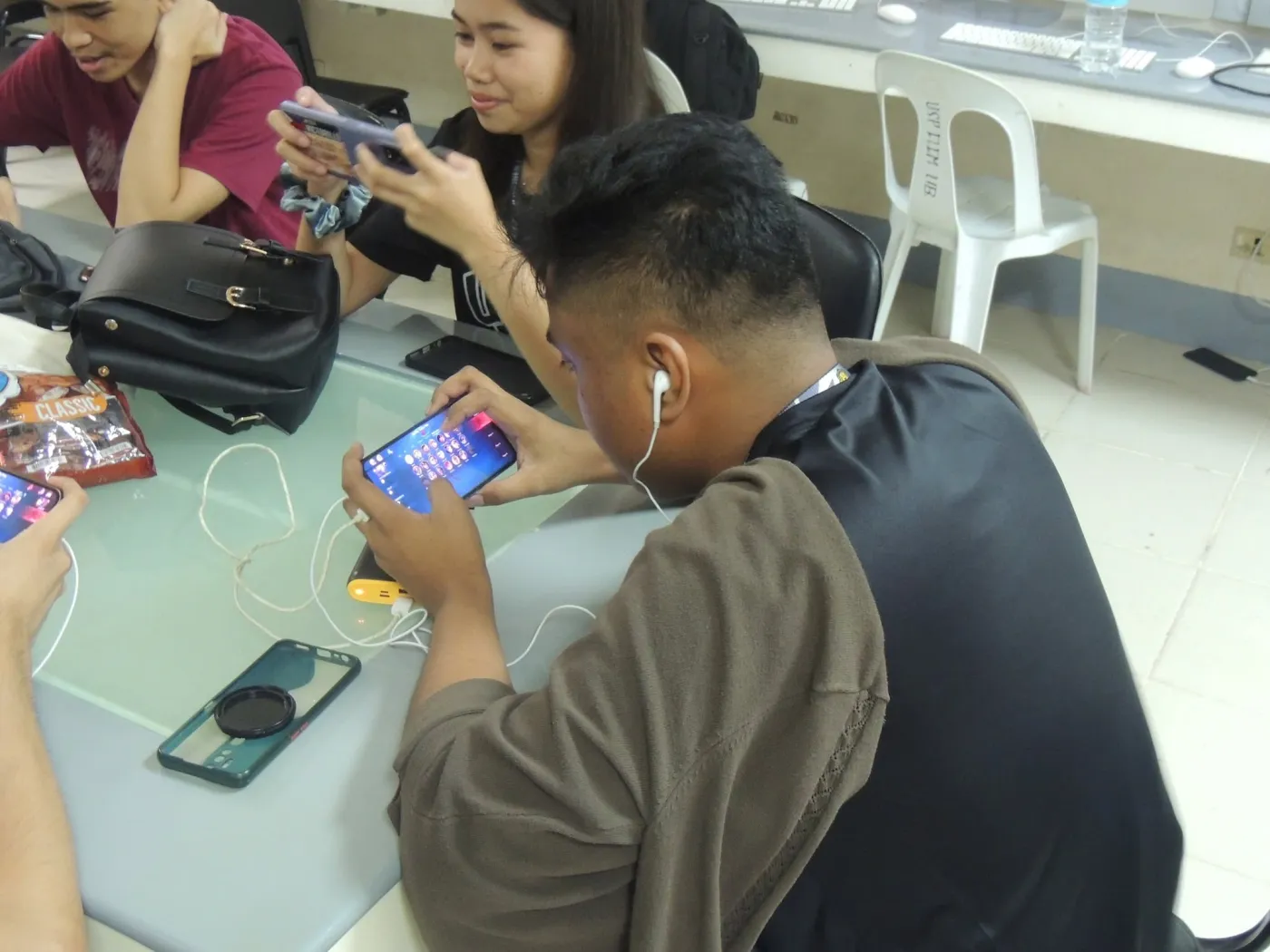
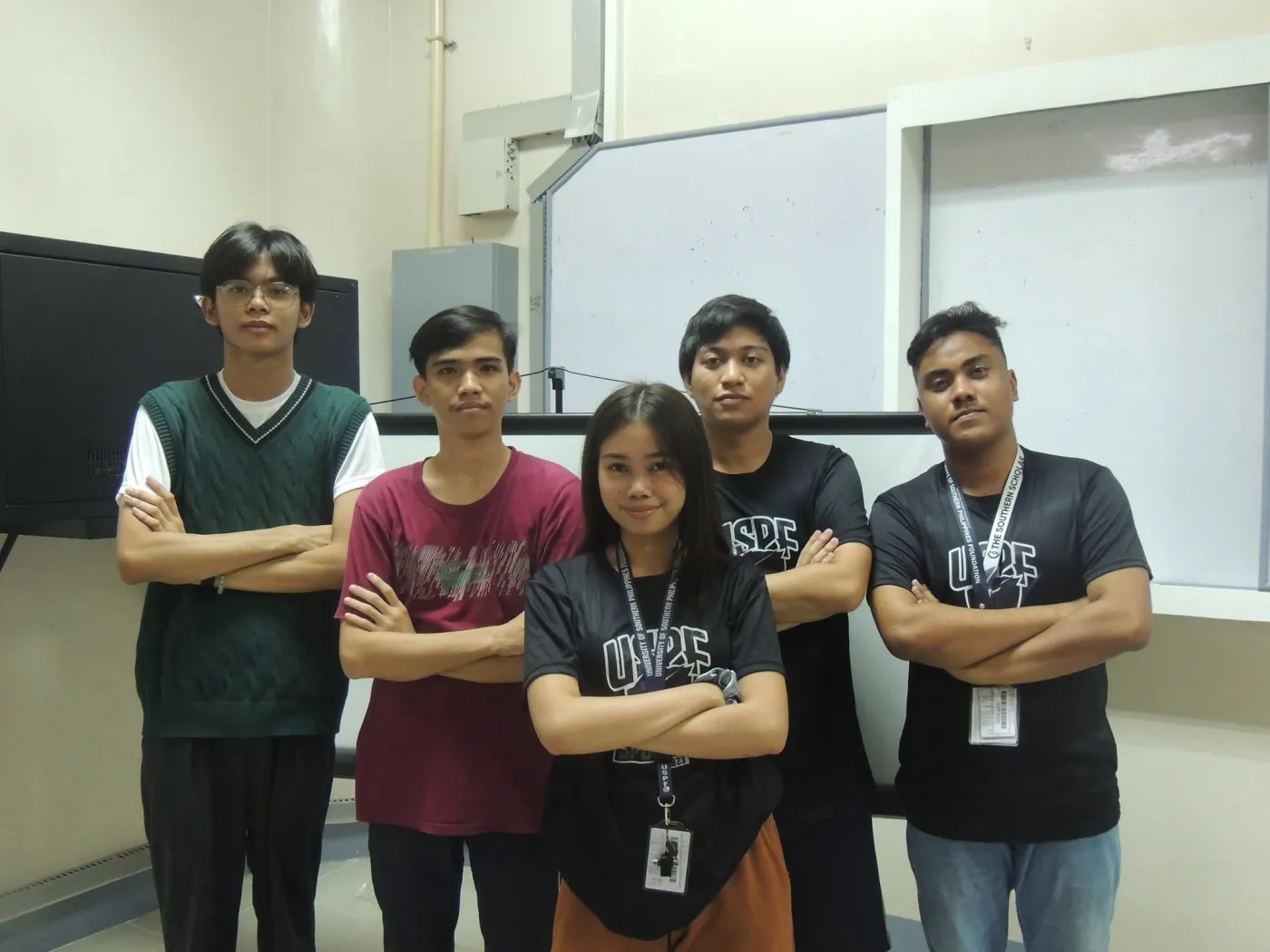
And we repped USPF hard in esports, from the SMART Interschool Mobile Legends tournament to our own intramurals MLBB matches.
A three-peat at CCS Days
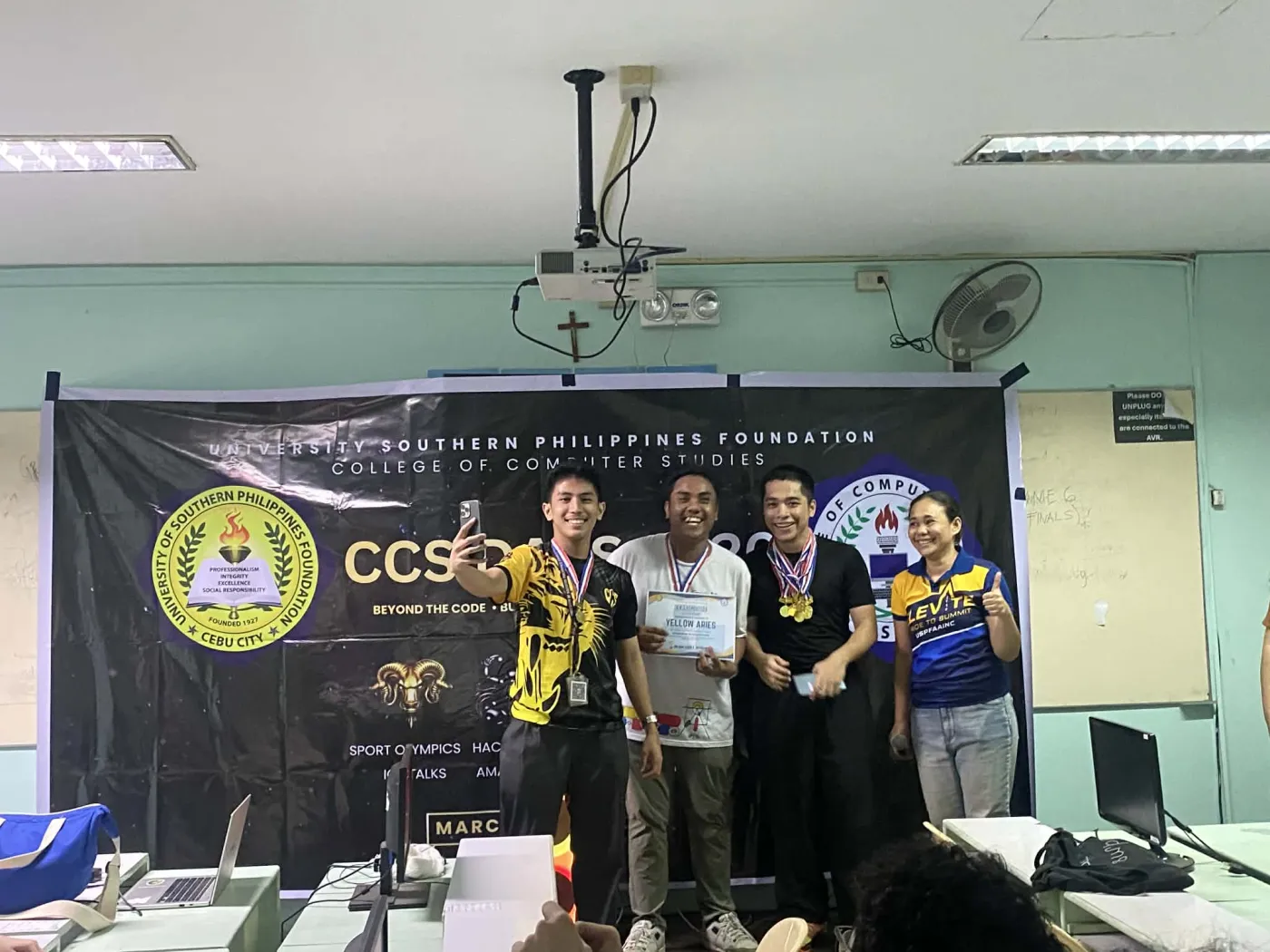
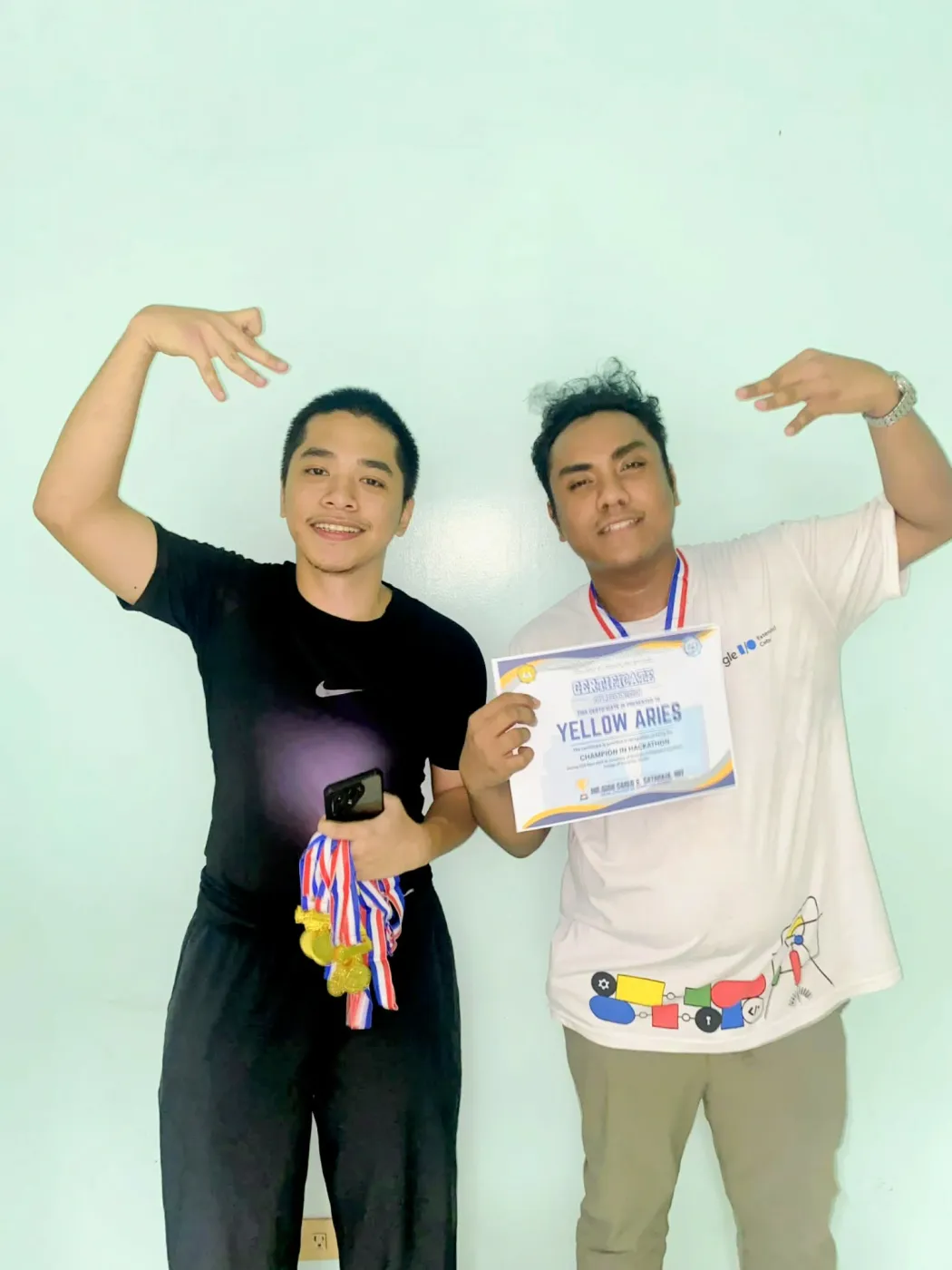
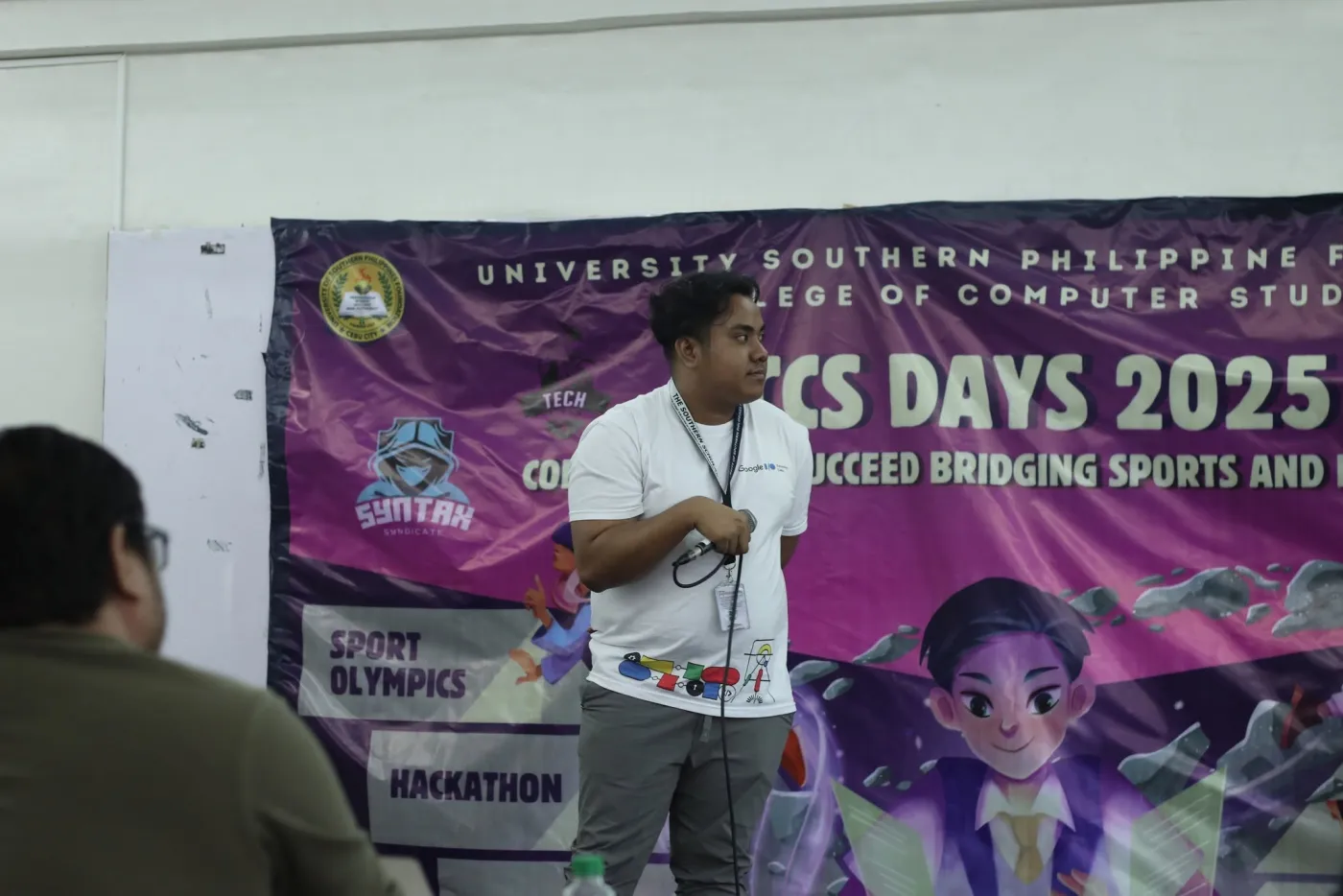
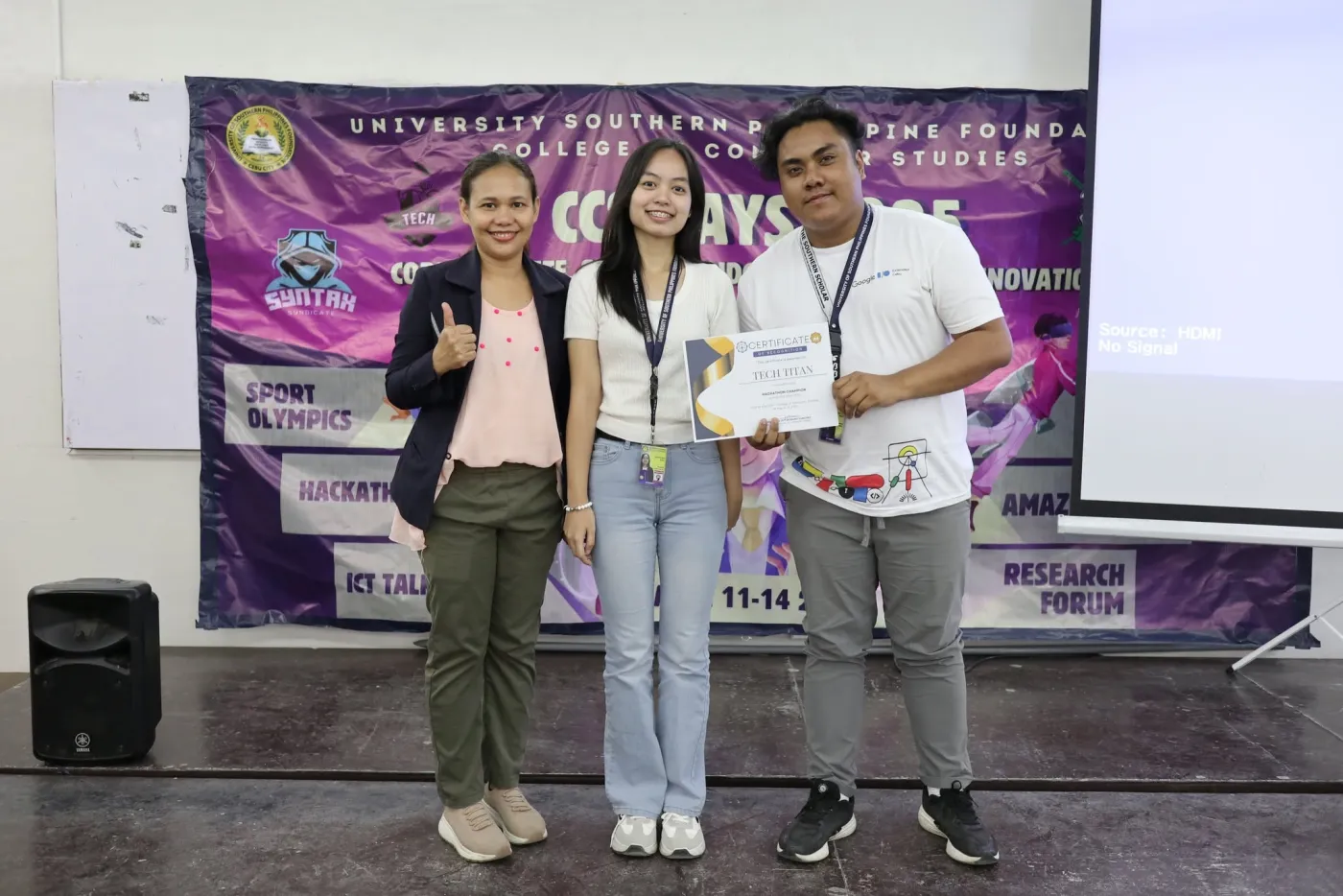
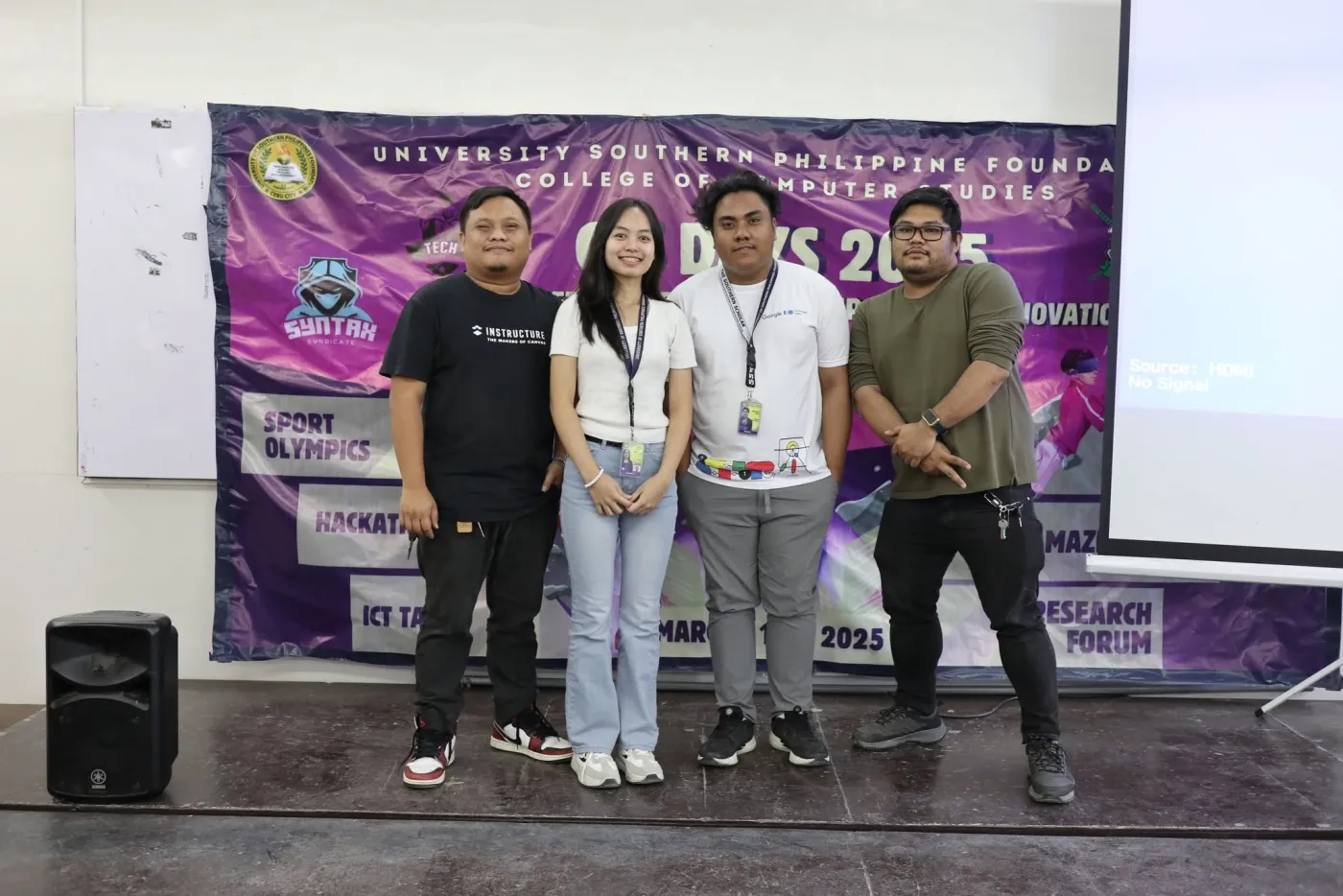
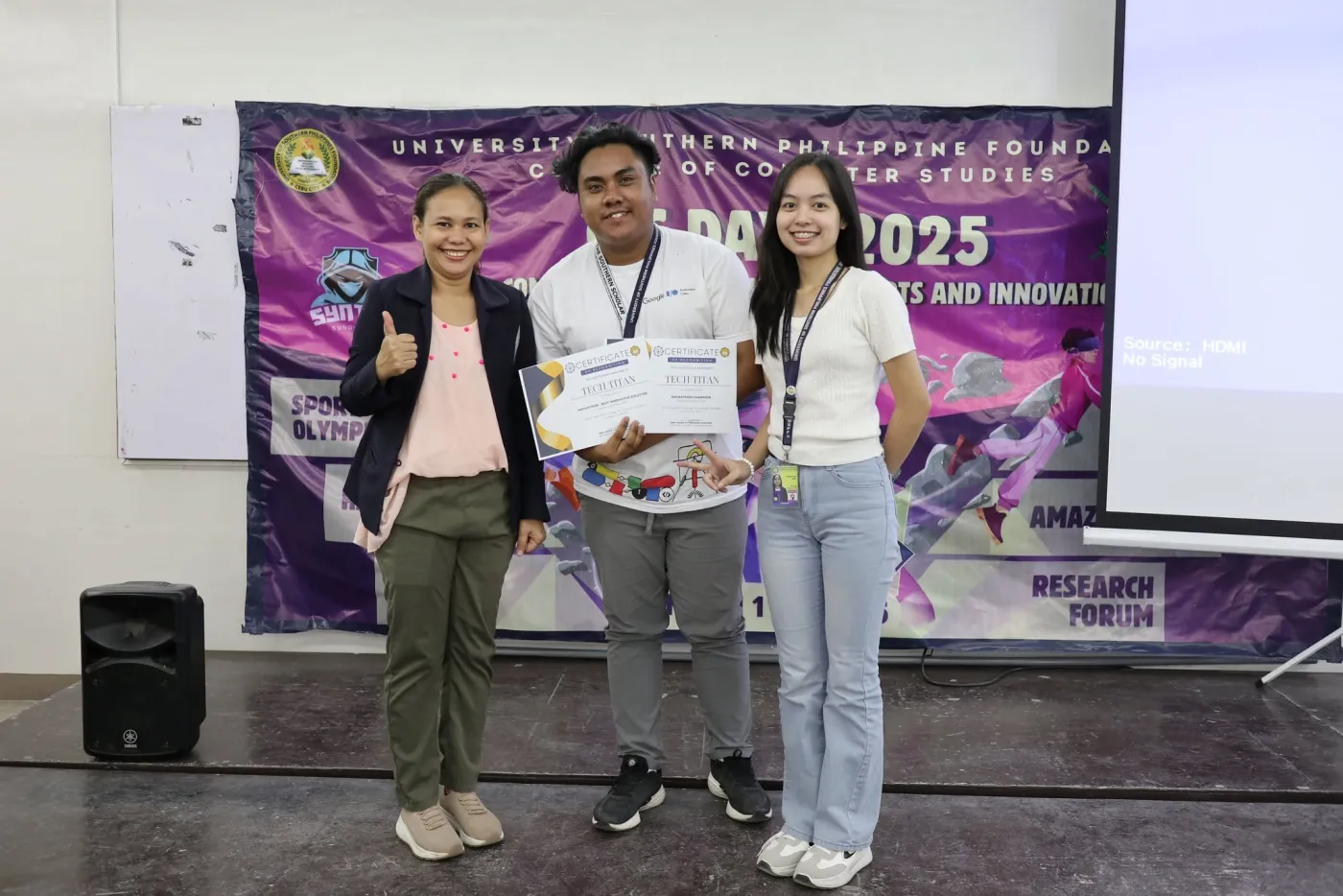
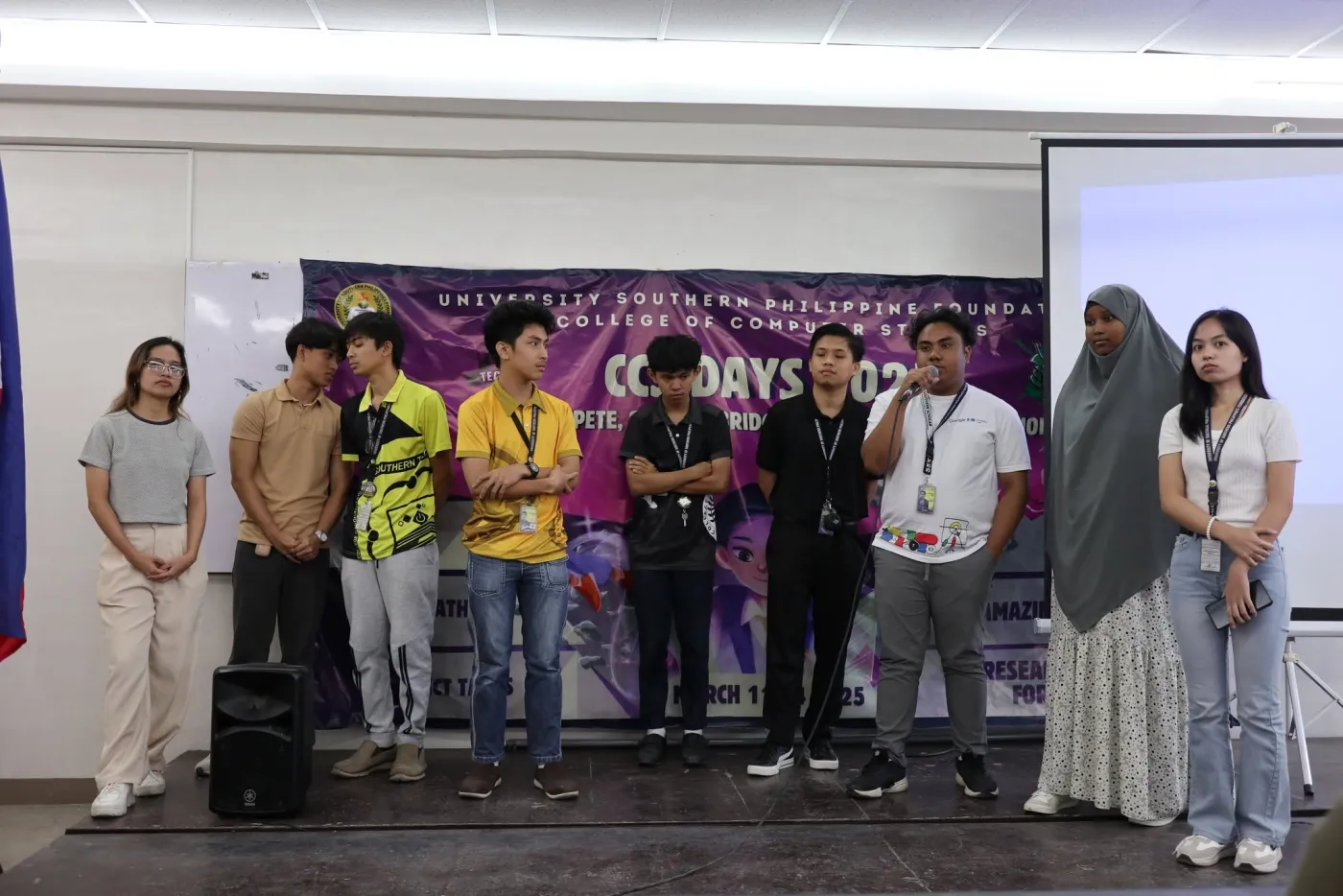
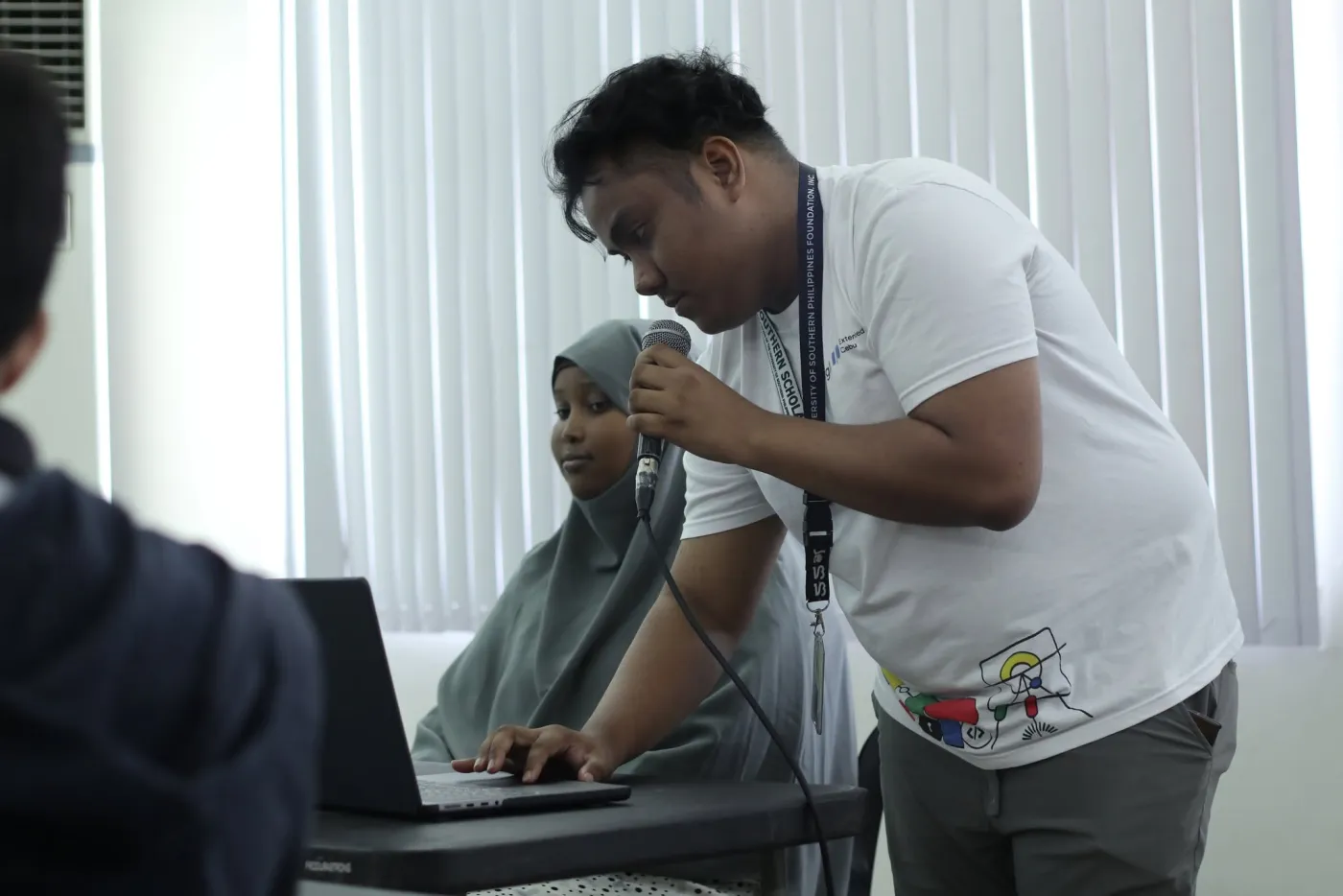
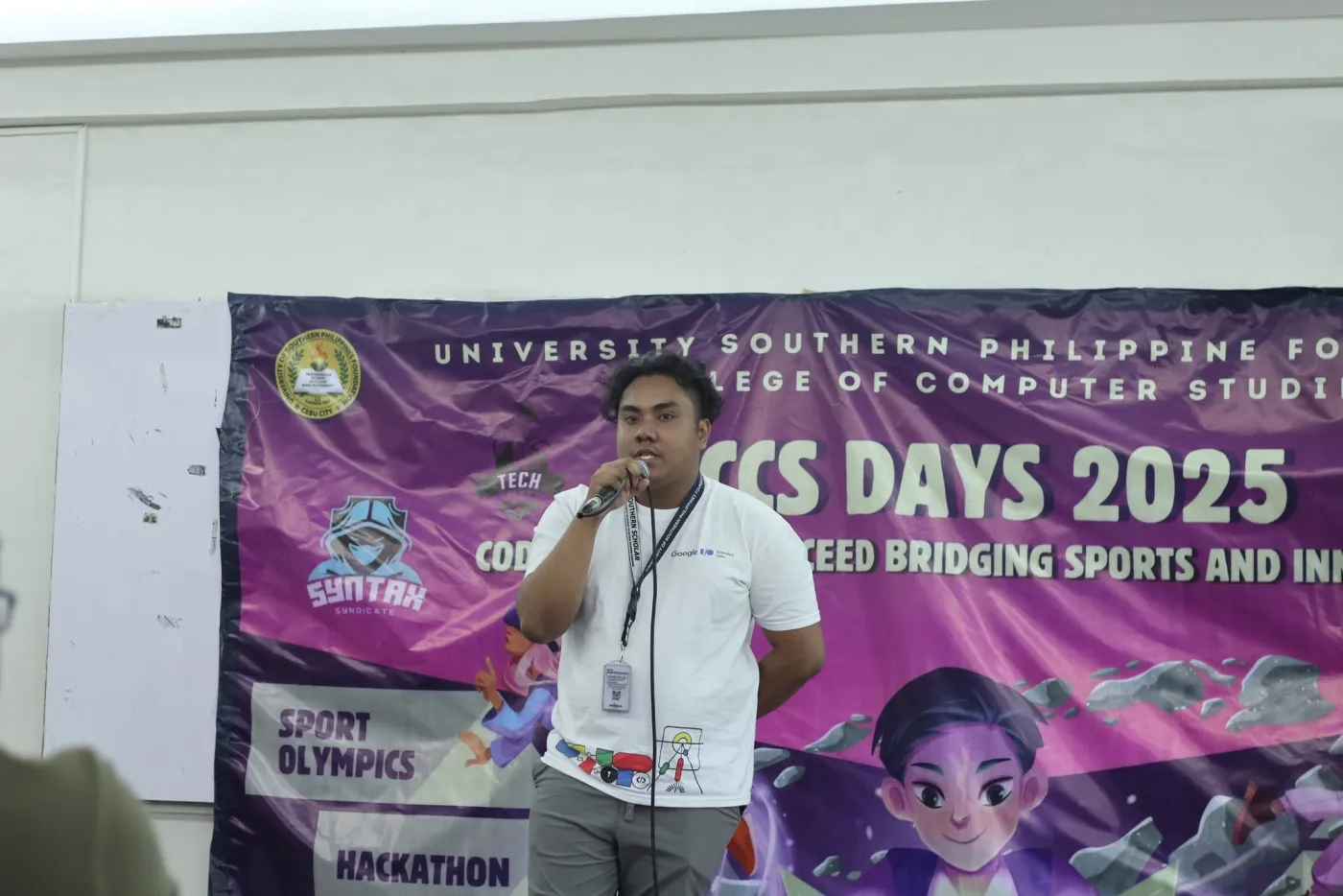
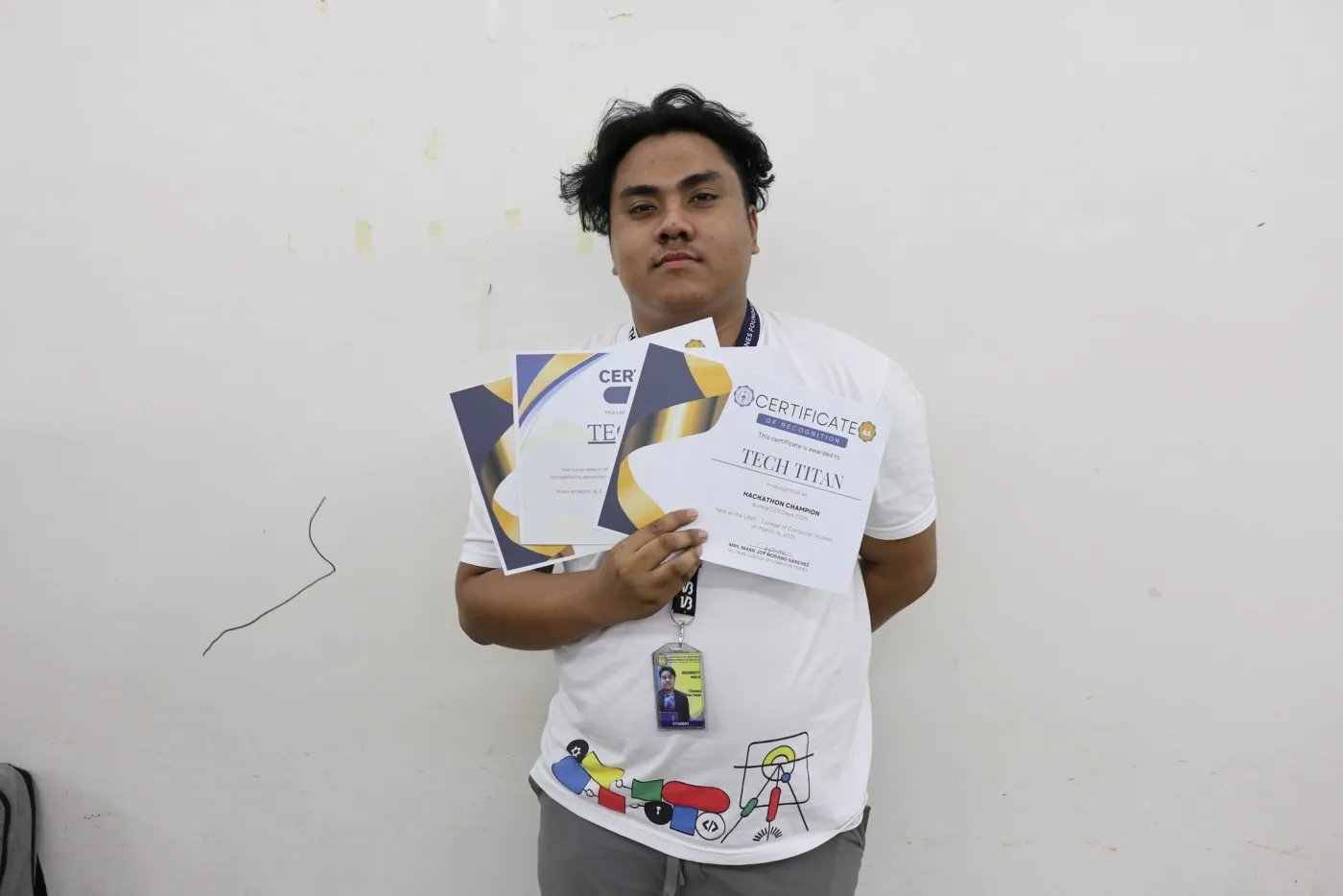
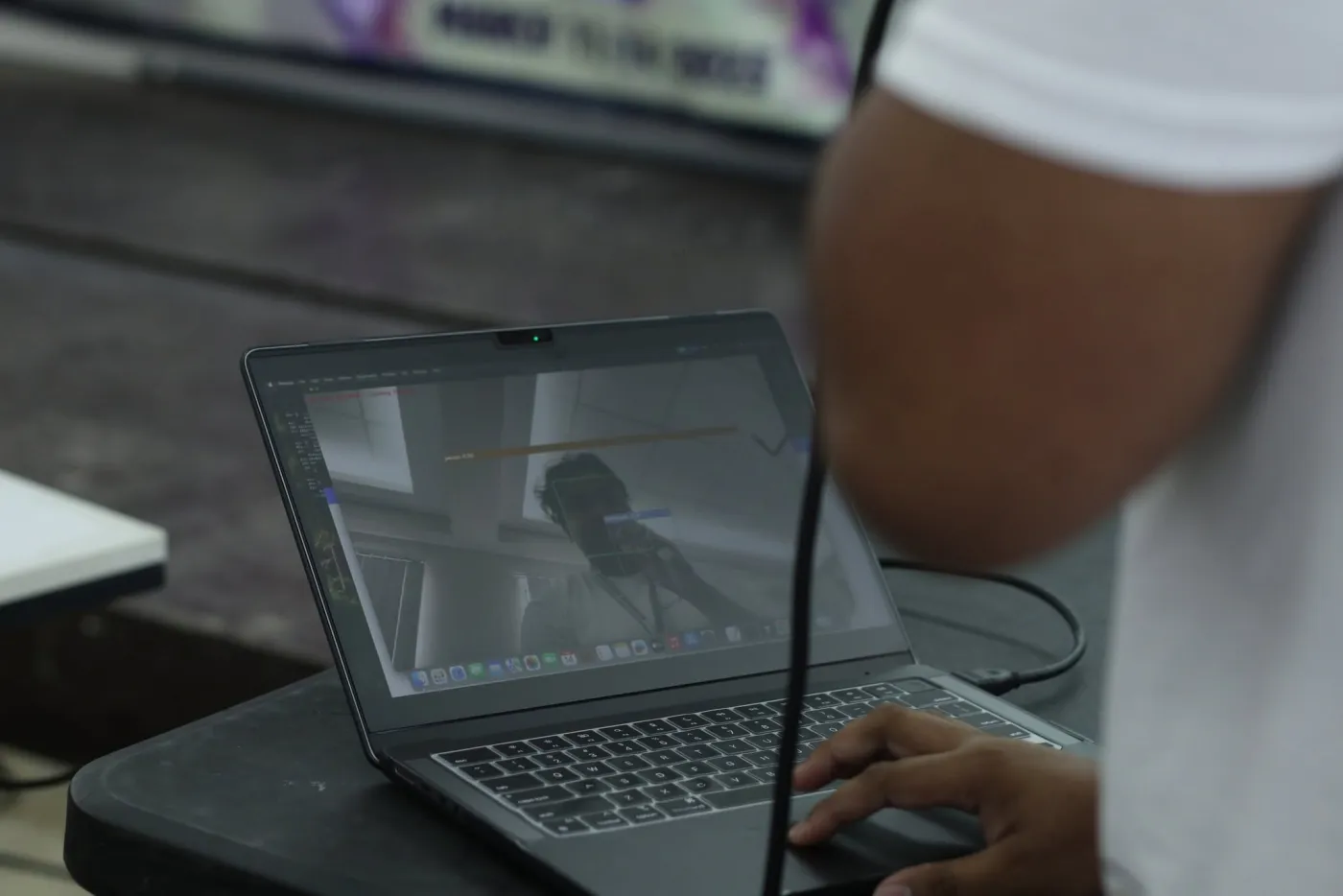
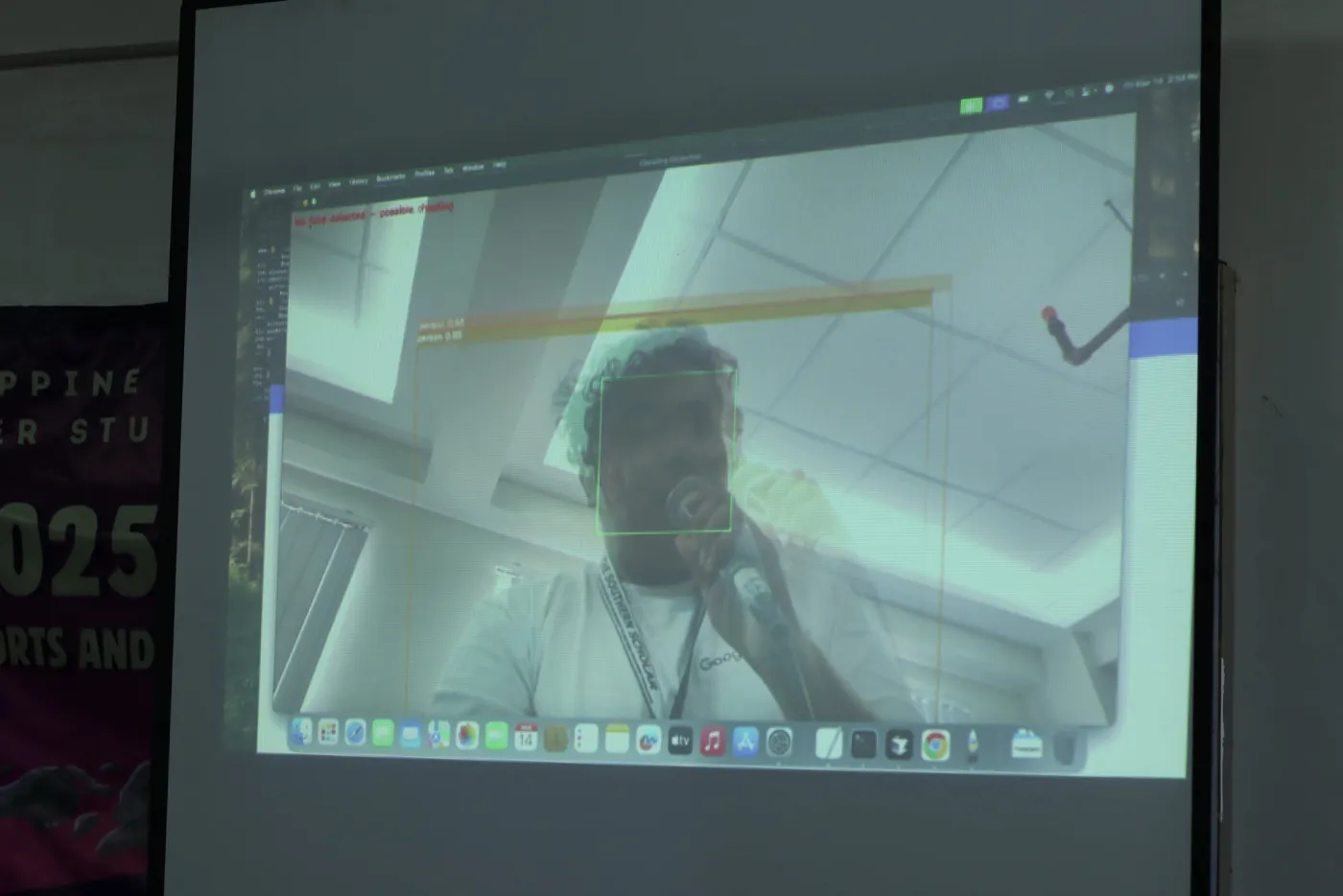
And then there was our own turf. Year after year, our team went into the CCS Days hackathon and came out on top, becoming three-time overall champions, a three-peat I'm still proud of. The kid who barely had a machine was suddenly on the team everyone else was trying to beat.
Building Develop Kreativity
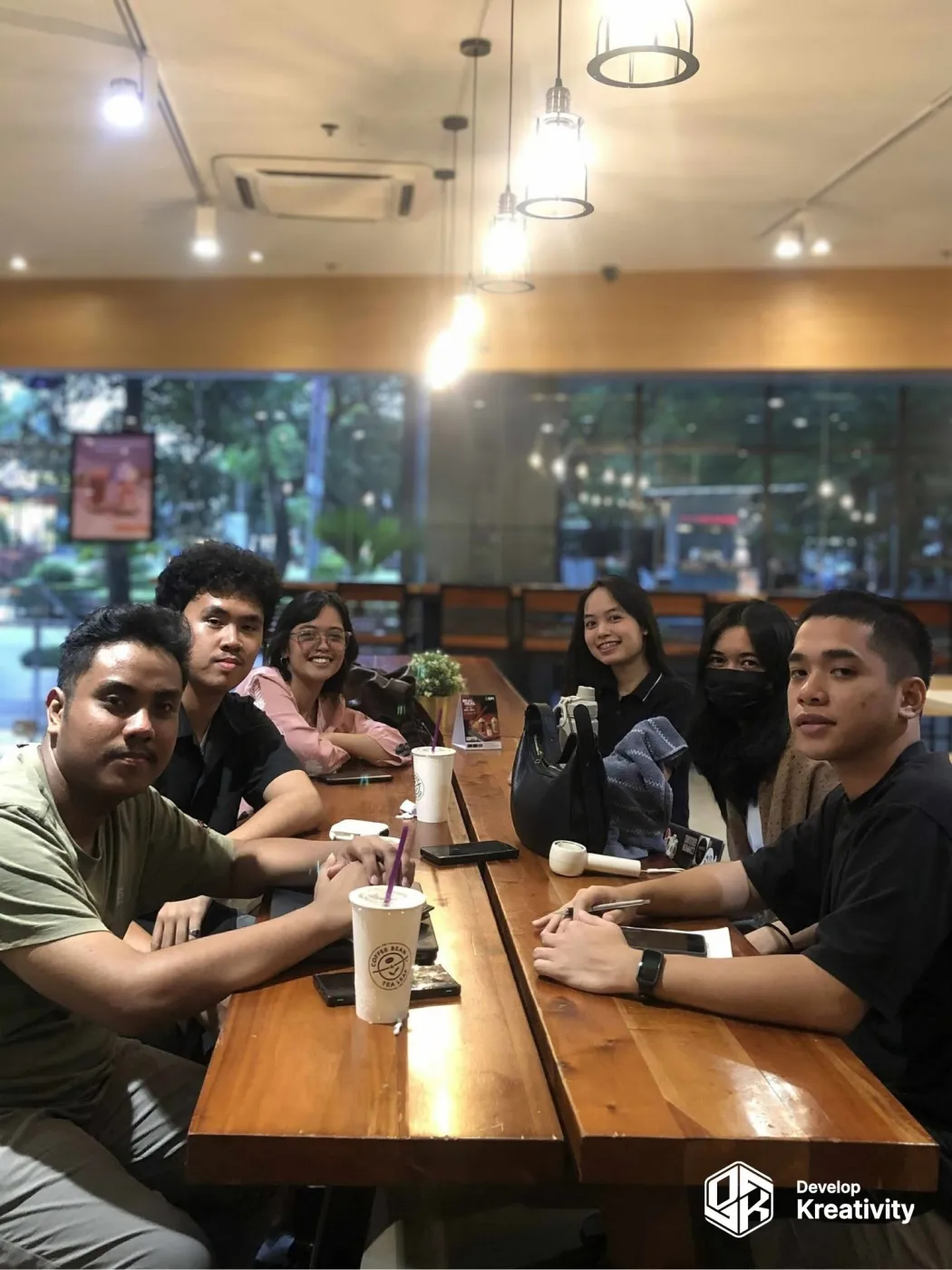
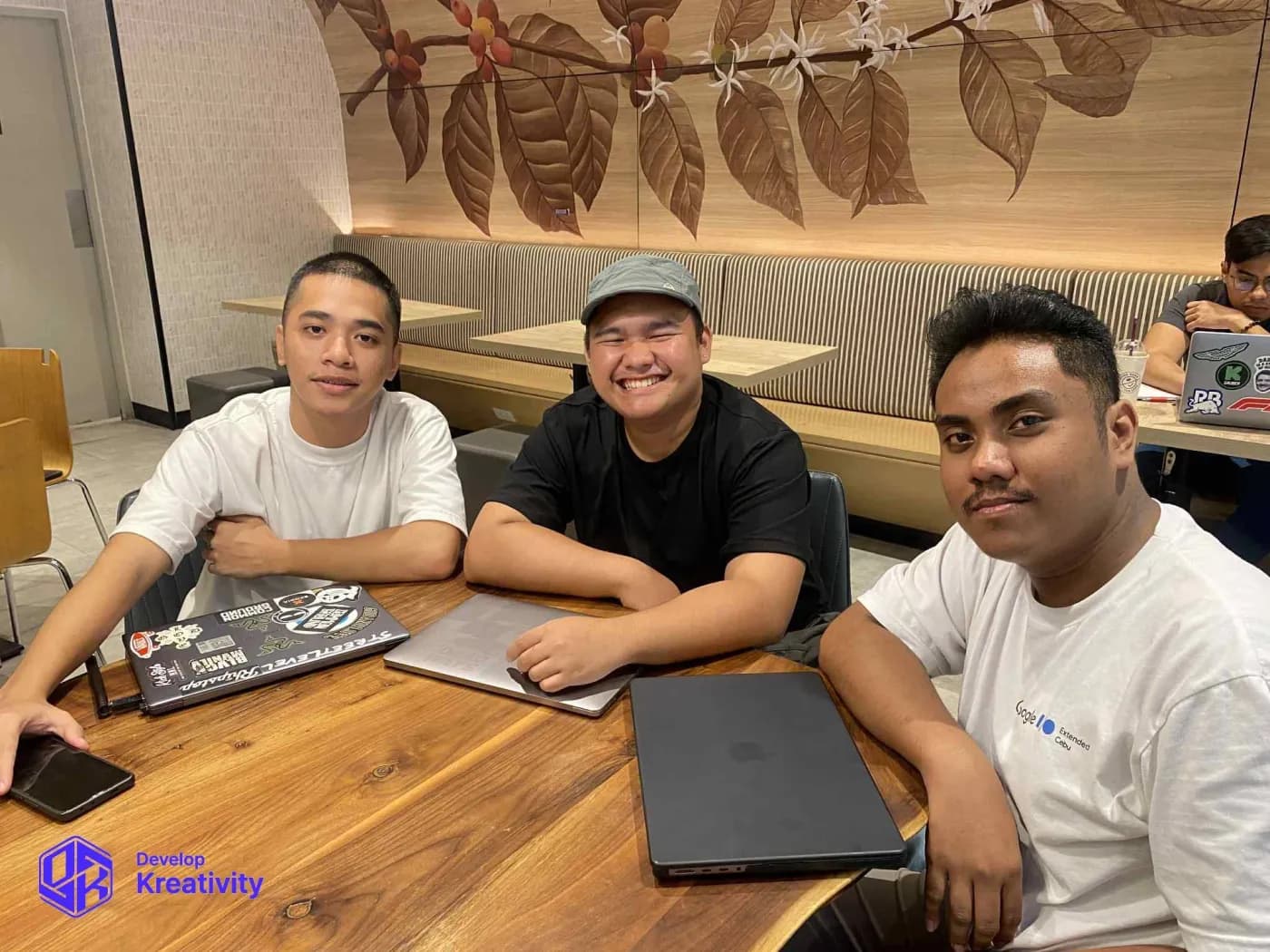
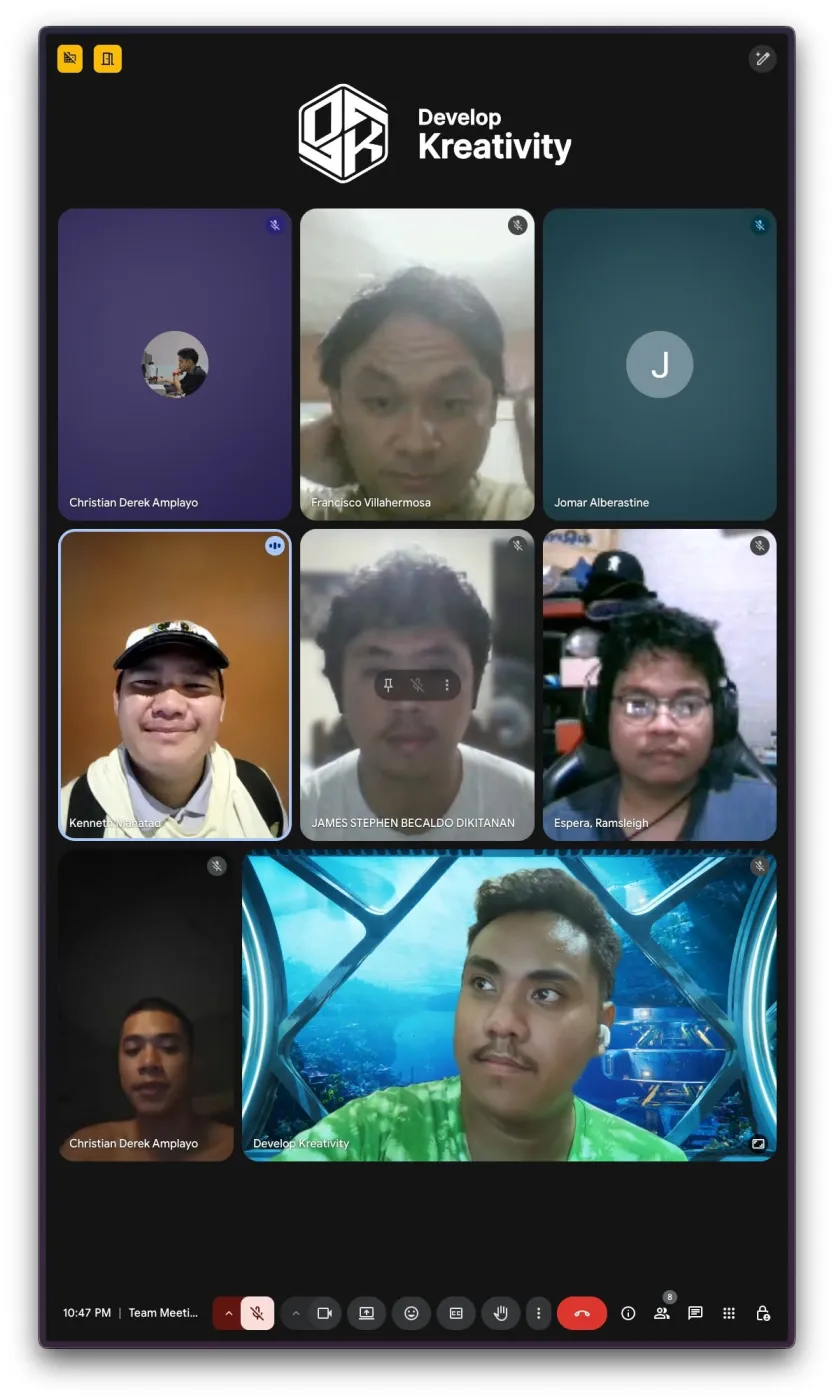
Around this time I co-founded a digital agency, Develop Kreativity, together with Kenneth Manatad, a peer of mine from The Southern Scholar.
I still remember how fast the beginning was. We had a real client on the line, Lyons Global, and almost nothing to show them yet. So we rushed everything at once: the name, the logo, the pages, the portfolio, all of it built in a blur so we could look like a company that already existed. It worked. We landed them.
What followed was a stretch of sleepless nights I won't romanticize. We finished entire systems in three days, sometimes in a week, running on deadlines and adrenaline. It was chaotic and exhausting, and it was also where I learned to ship under real pressure for real clients, not just for a grade.
My first full-time job
My first real full-time job did not come easy. There was no lucky referral, no clean shortcut.
I was sending applications on LinkedIn relentlessly, at least a hundred a day. Most went nowhere. Out of all of them, the one that eventually replied was XFusion, the third-party HR partner for a company called Tolstoy. And even that reply came from an unexpected direction.
Tolstoy's CEO, Dov Kaufmann, had asked the team to go back through candidates who had failed the coding test and see if any of them could still become part of the AI team being built in Cebu. John Nick Viduya, who led the Cebu office at the time, was the one who went looking. He found my content on TikTok, where I'd been posting about my portfolio, and noticed we came from the same alma mater. That's how the offer found me, not through the front door, but through someone willing to give a second look.
And then, embarrassingly, I almost let it slip. Part of the process required a Loom recording of myself introducing who I was, and at that point in my life I was painfully camera shy. I didn't want to record it. I sat on that requirement for over a week before I finally forced myself to hit record. That one uncomfortable video was the difference between this story happening and not happening at all.
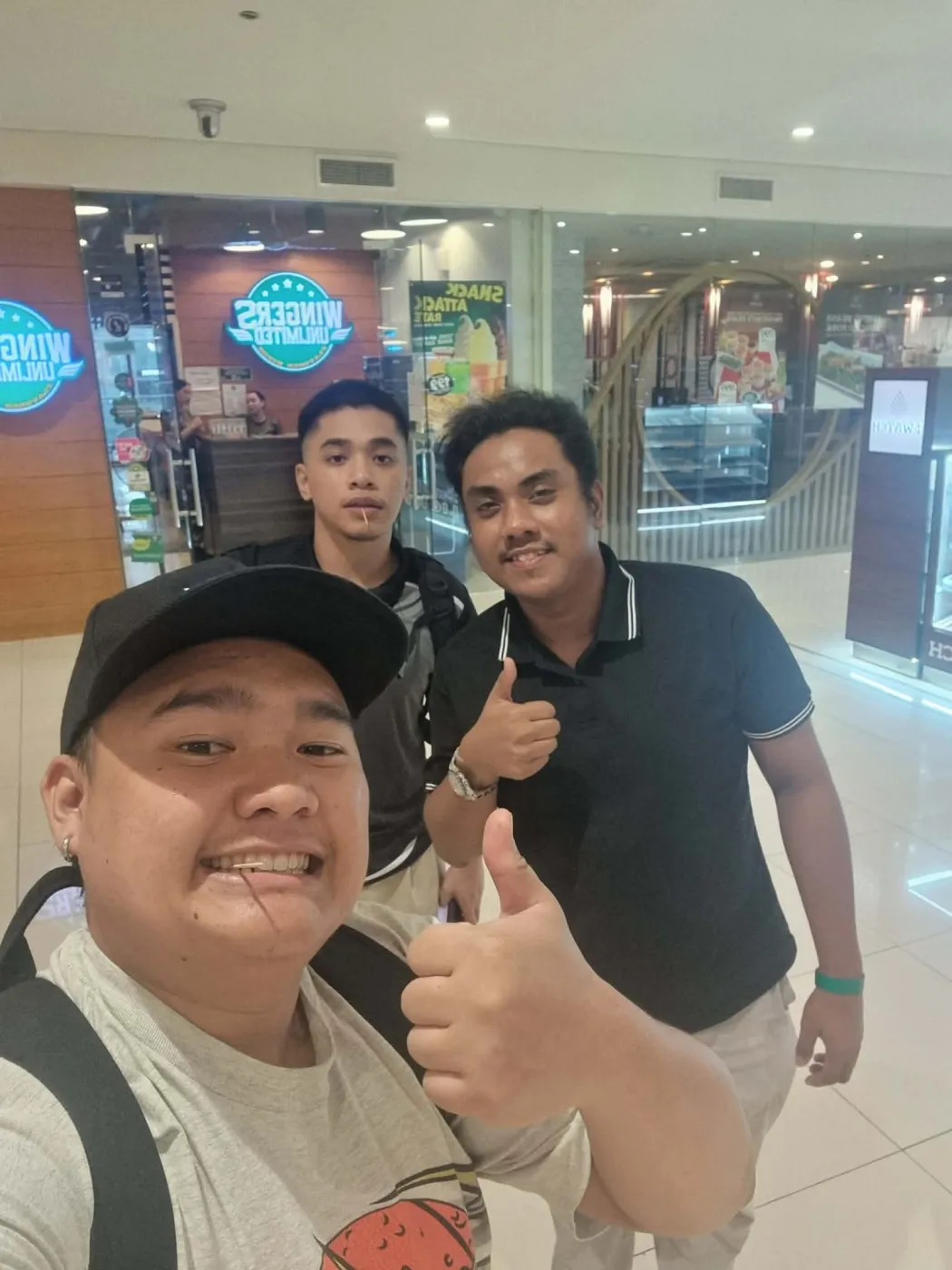
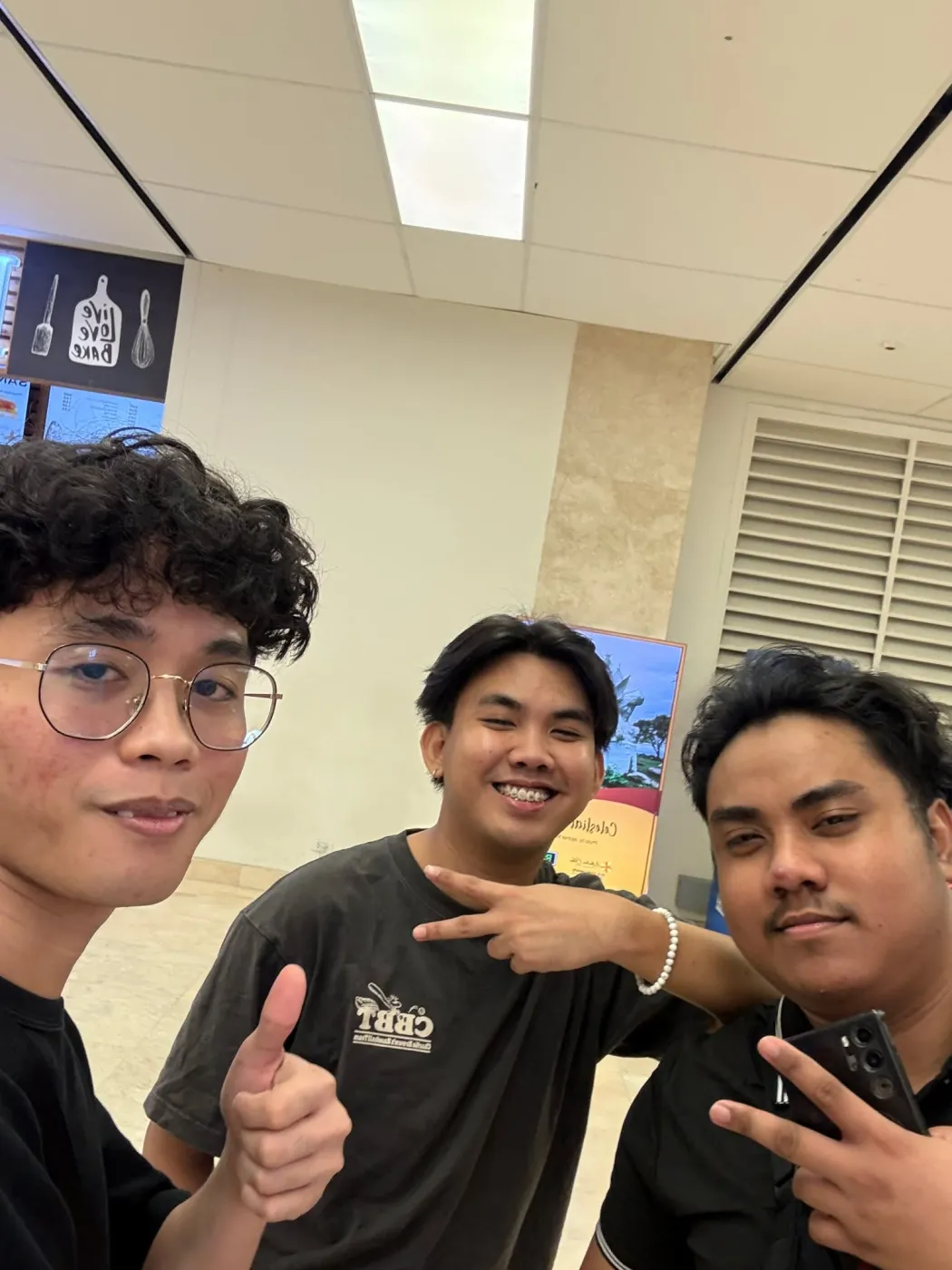
Once I actually started, the logistics were brutal. It was a mid shift that overlapped with my class hours, so I lived in the gaps. I'd go to the office during breaks, work, then rush back to school for my next subject, over and over. The commute was between USPF on Salinas Drive in Lahug and our office at Regus in the Apple One Equicom Tower, near Ayala Center Cebu and the Cebu Business District. When traffic was bad and I couldn't book a MoveIt or a Maxim, I simply walked it. A lot of that year happened on foot.
Flipping my body clock
If the mid shift was hard, my next role at GoTeam introduced a different kind of difficulty entirely: it was a night shift.
I worked from 8 PM to 6 AM, then slept for a couple of hours, then went back to school at 8 or 9 AM, and repeated. My body clock never really knew what time it was. It was, without exaggeration, one of the most difficult stretches of my life.
Picture it: rushing from school back home just to start work, and when the internet or electricity gave out at home, packing up and heading to the office anyway so I wouldn't miss the shift. I didn't get to join my classmates for the after-school things, the hangouts, the little celebrations, the normal parts of being a student. I genuinely had to sacrifice them. There wasn't enough of me to go around, so I gave up the parts that felt like a luxury and kept the parts that felt like survival.
Giving back anyway
You'd think there was no room left for anything else. Somehow, there was.
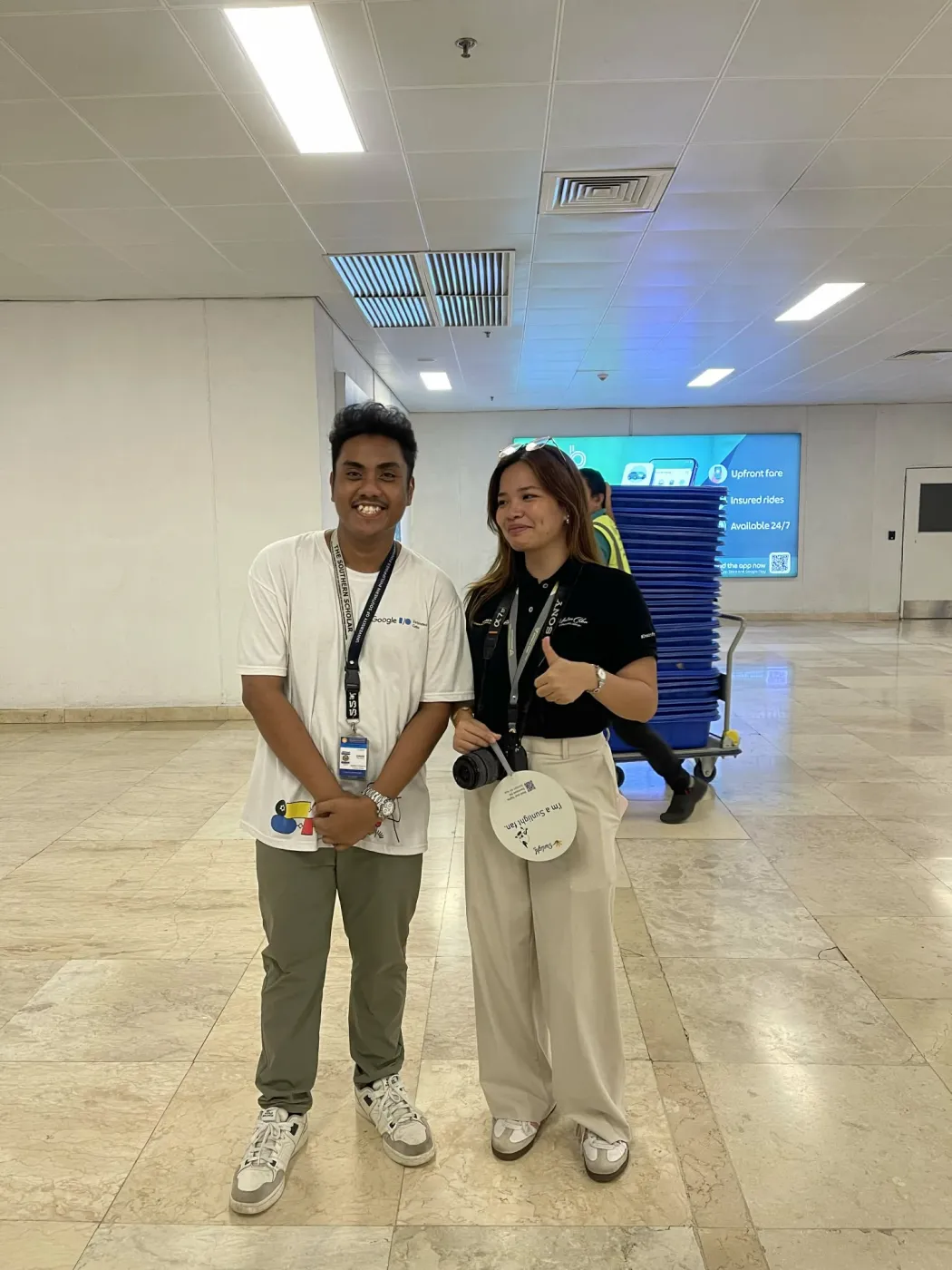
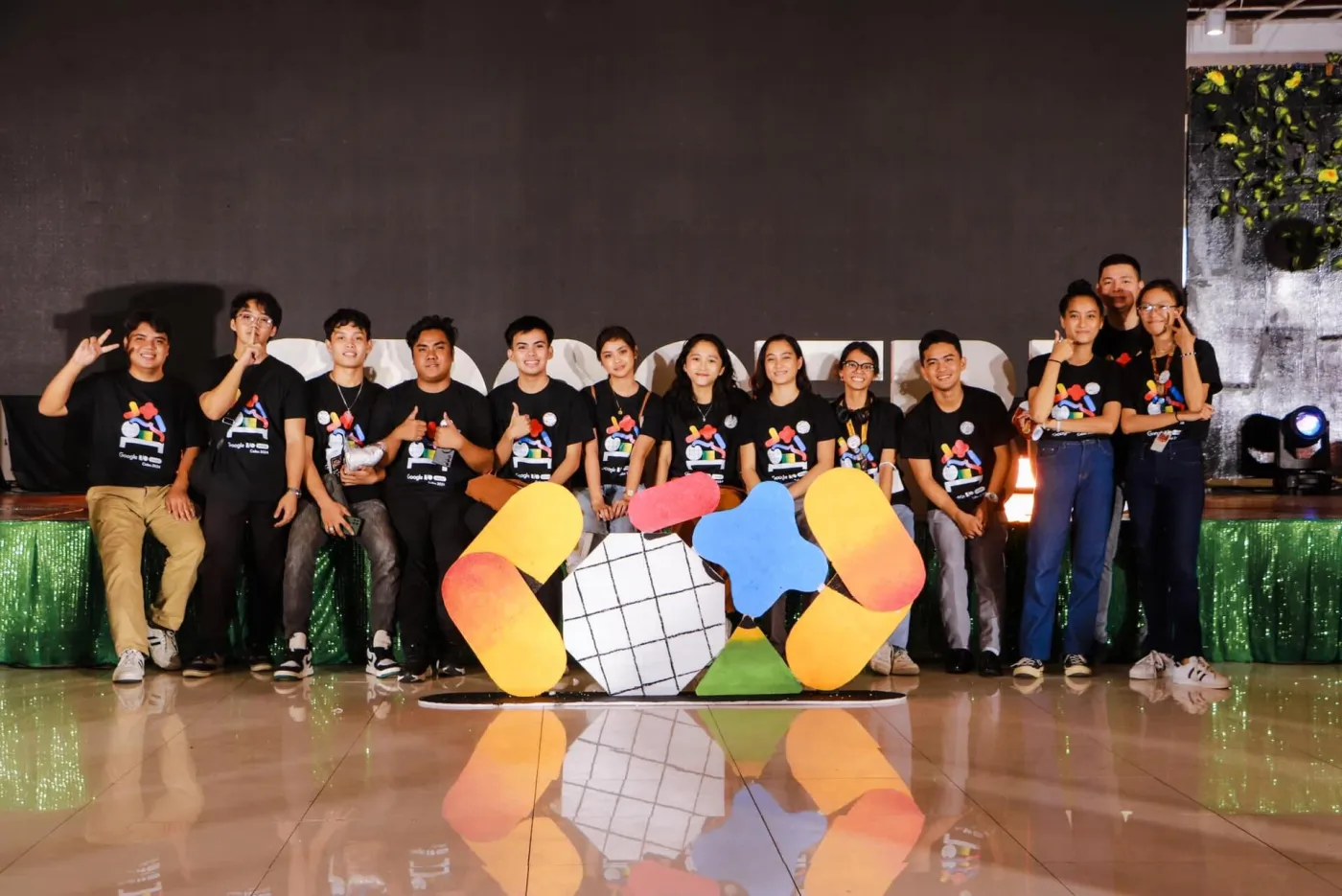
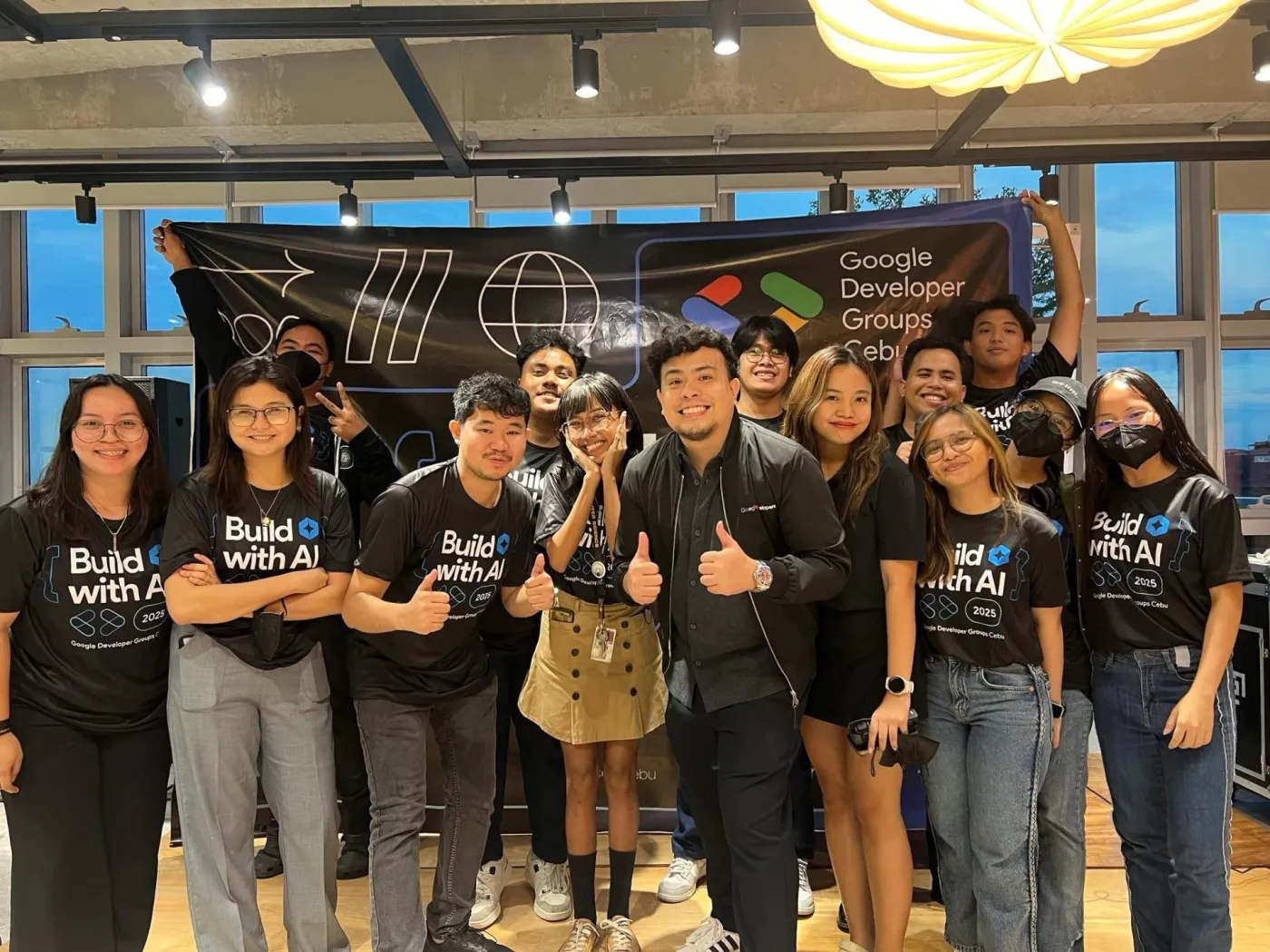
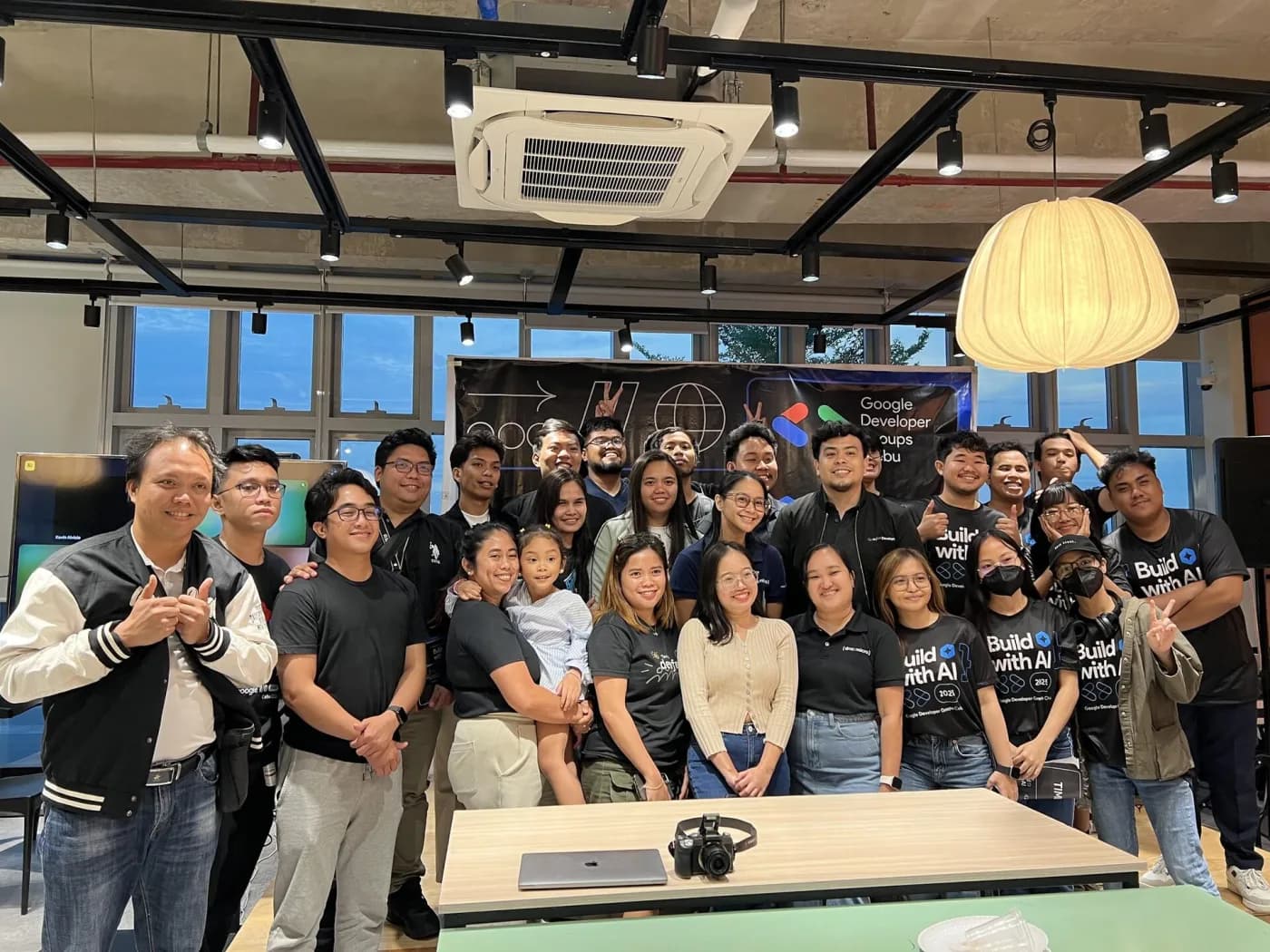
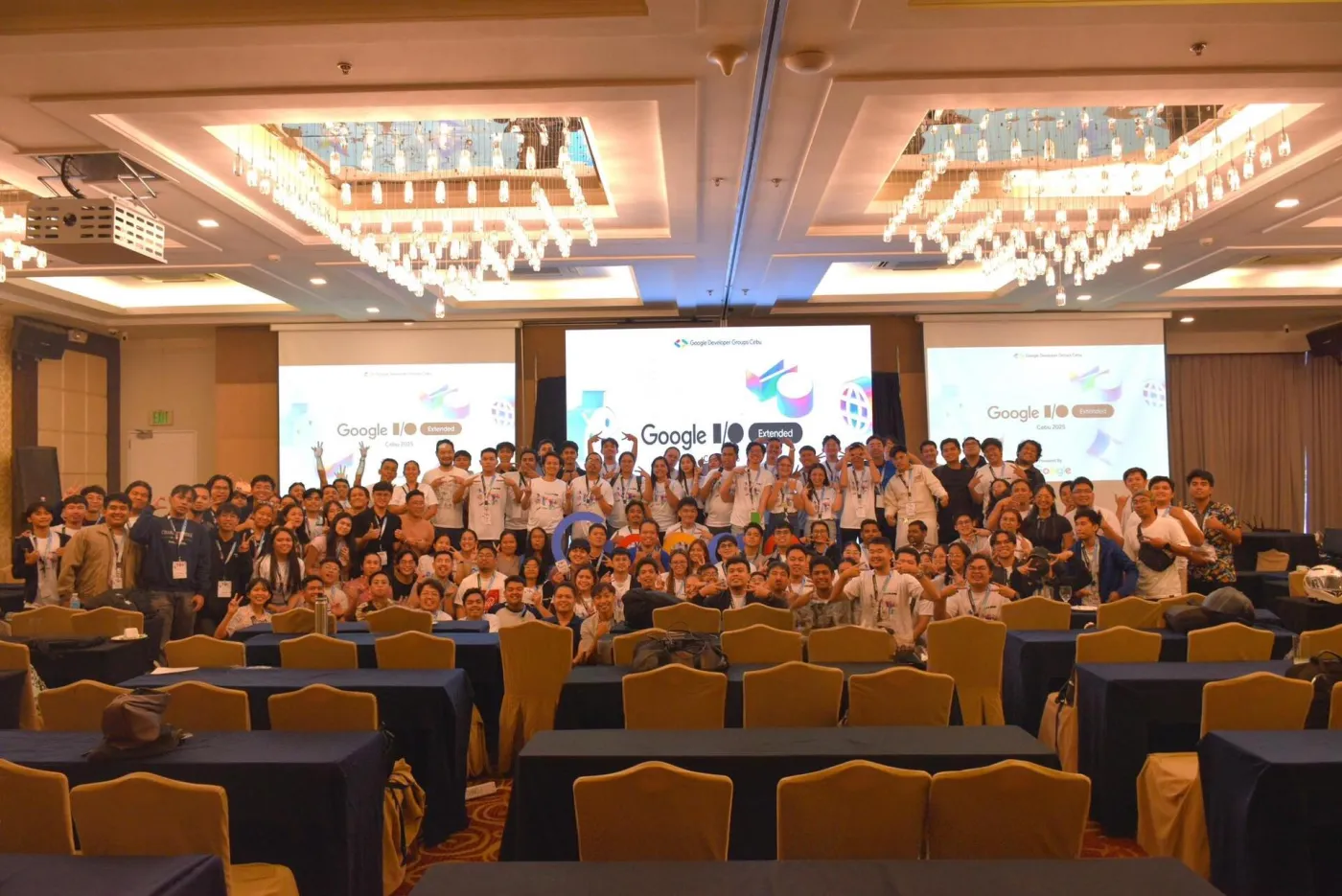
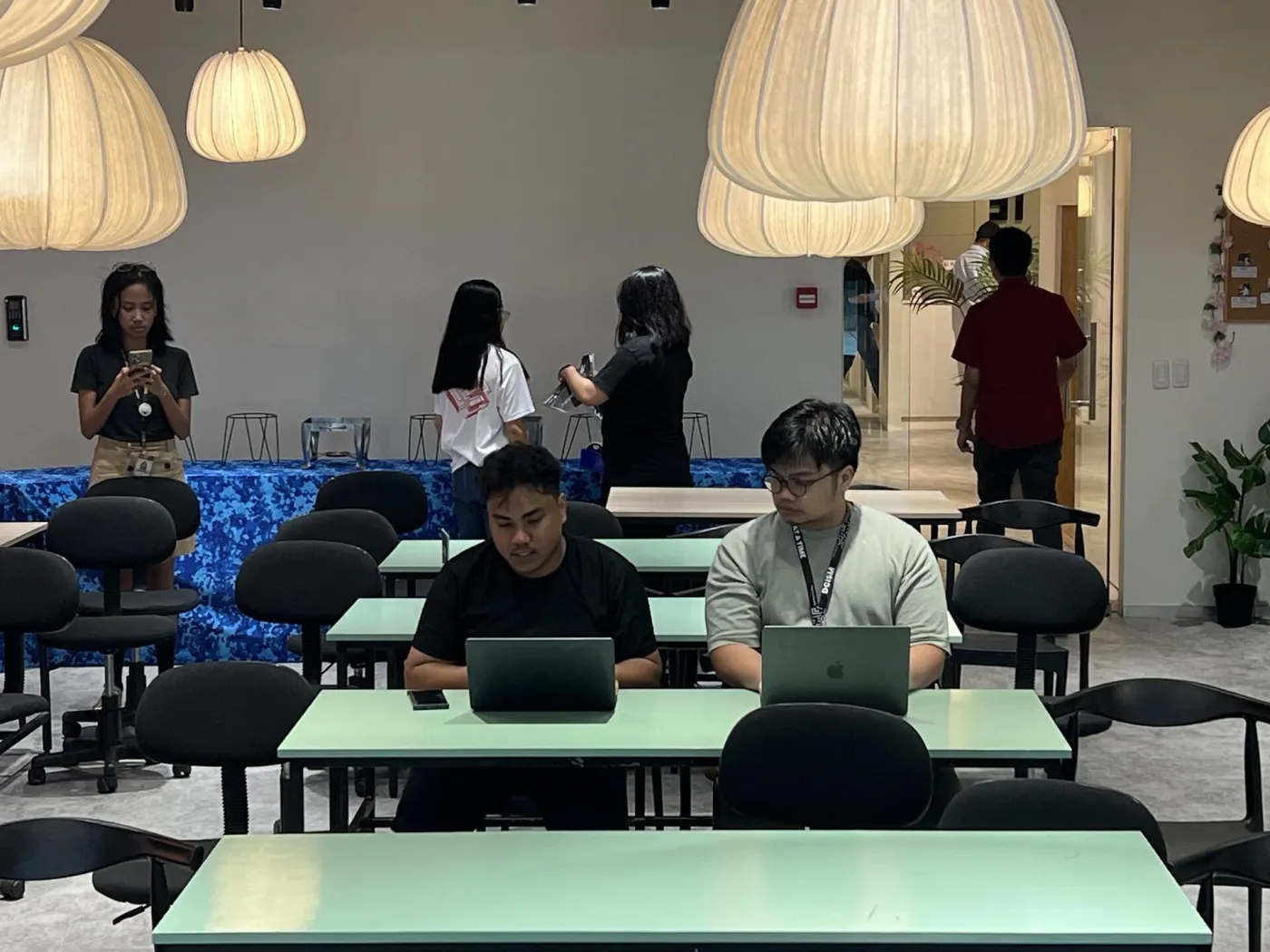
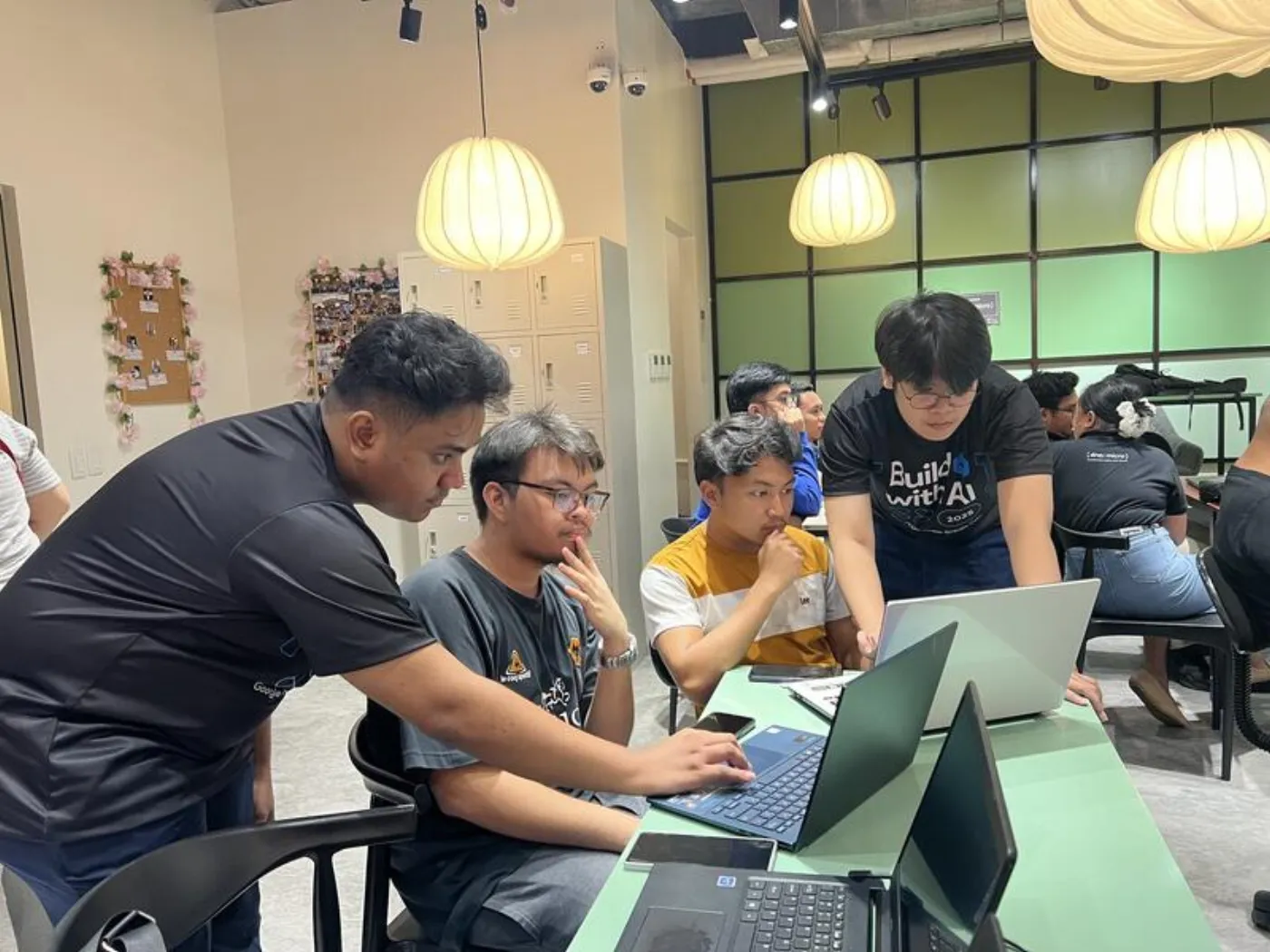
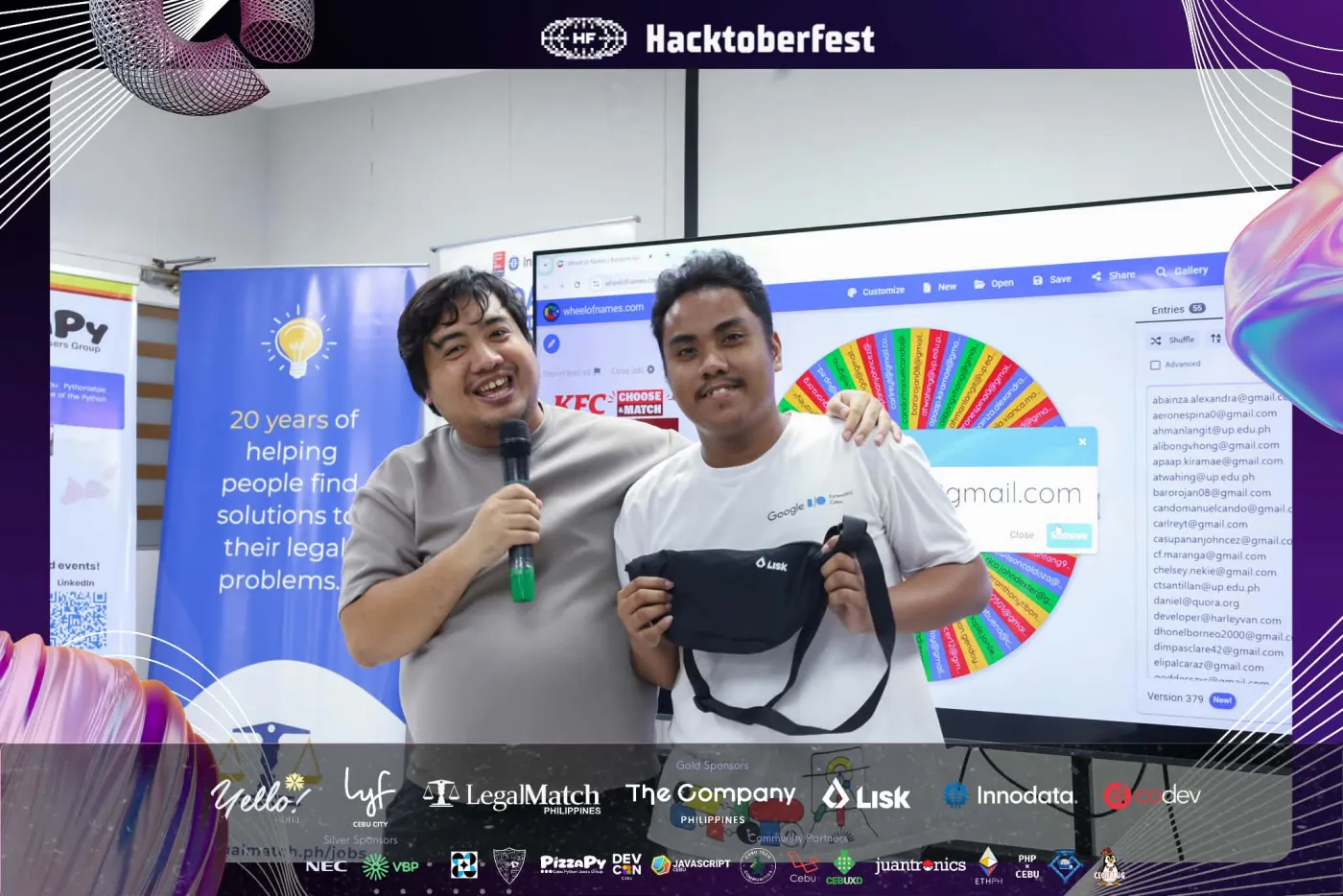
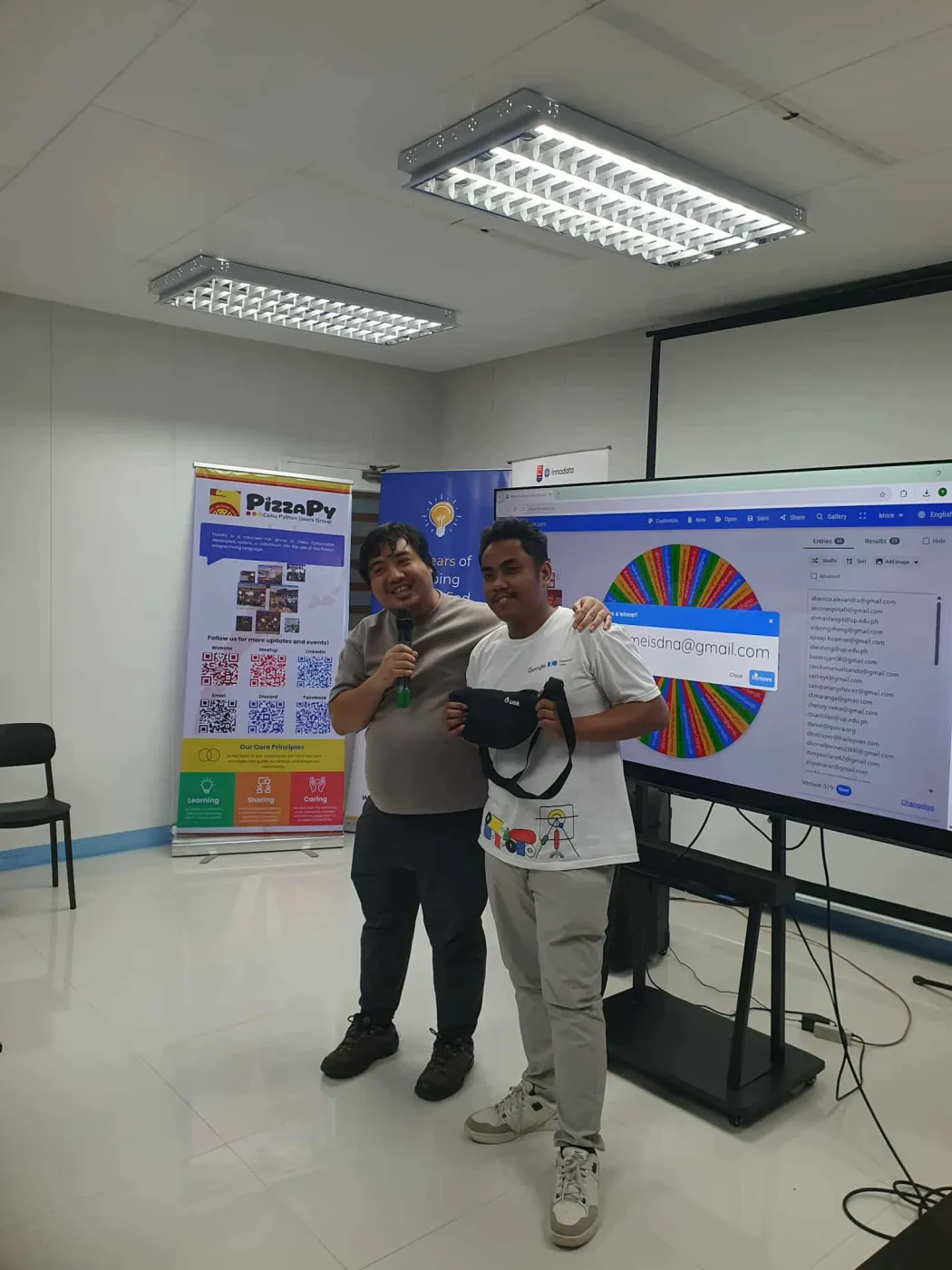
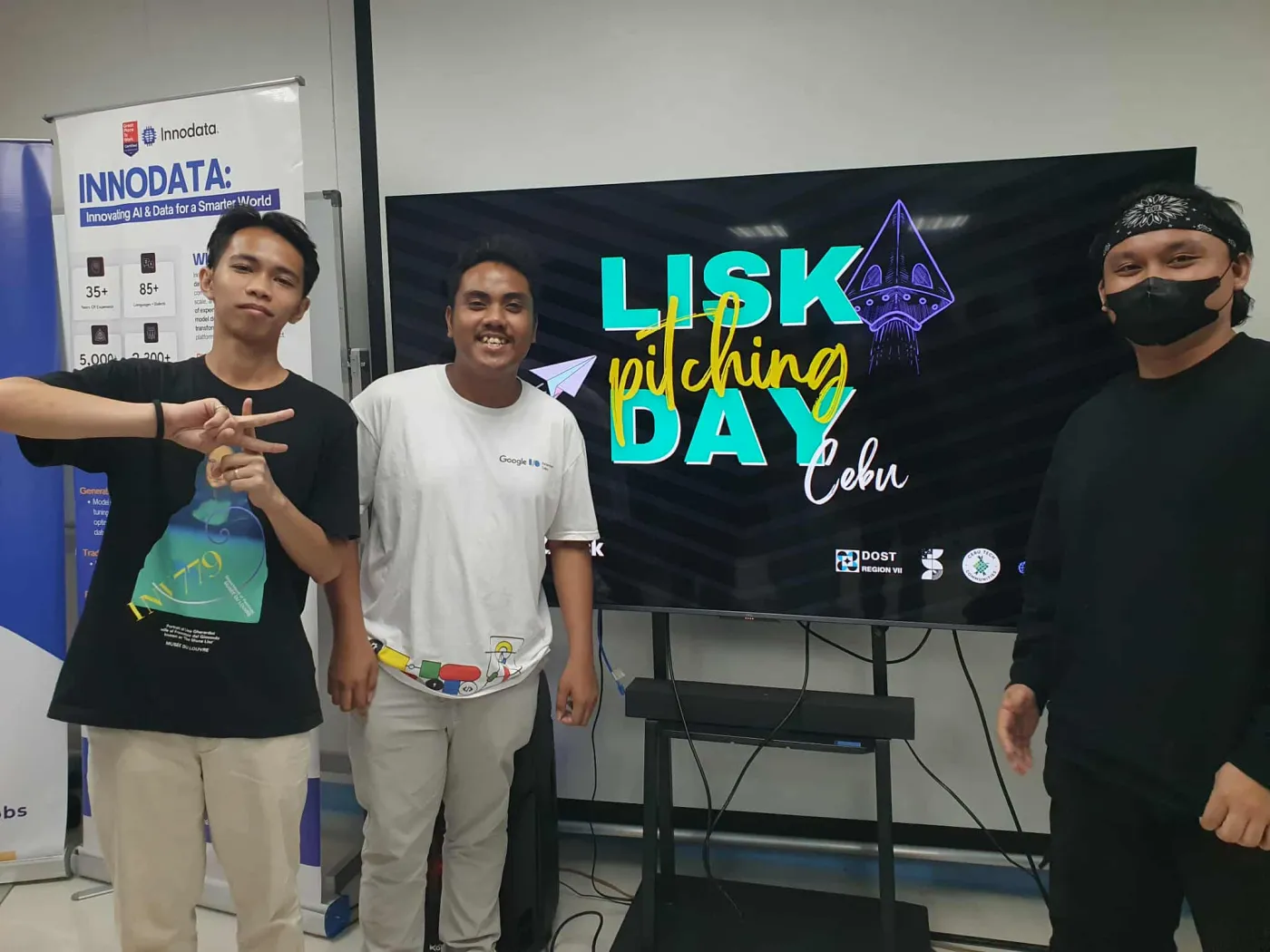
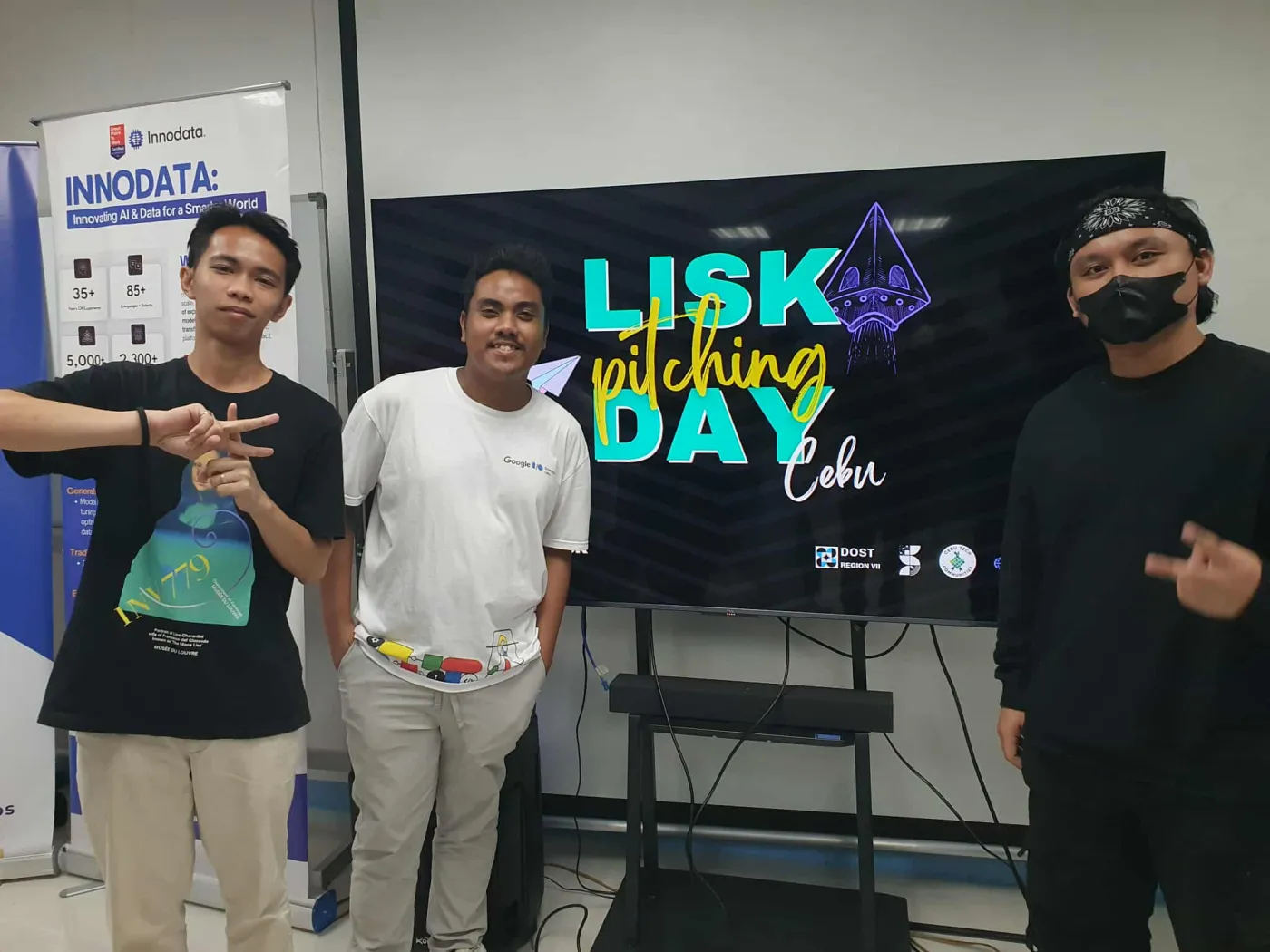
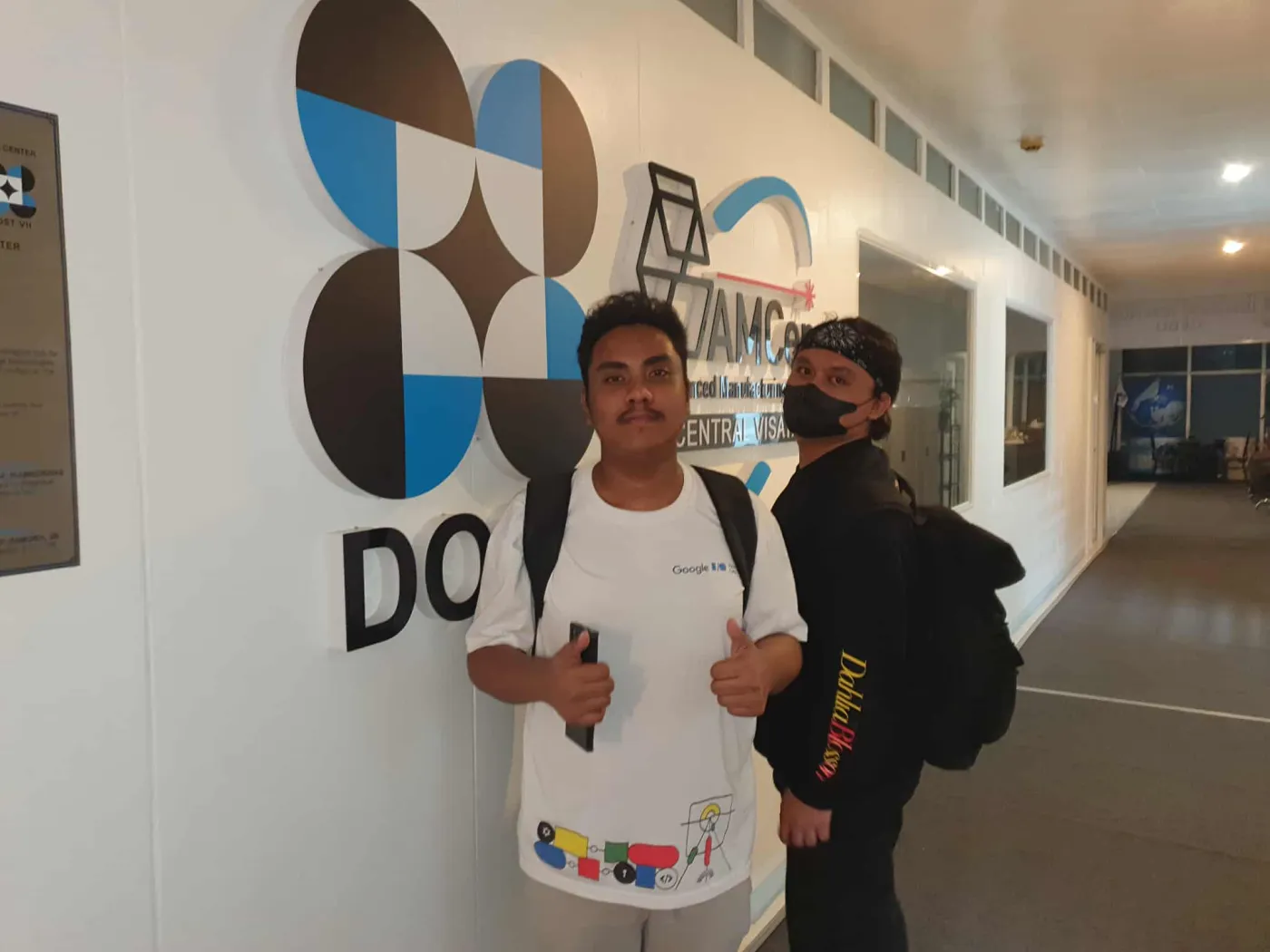
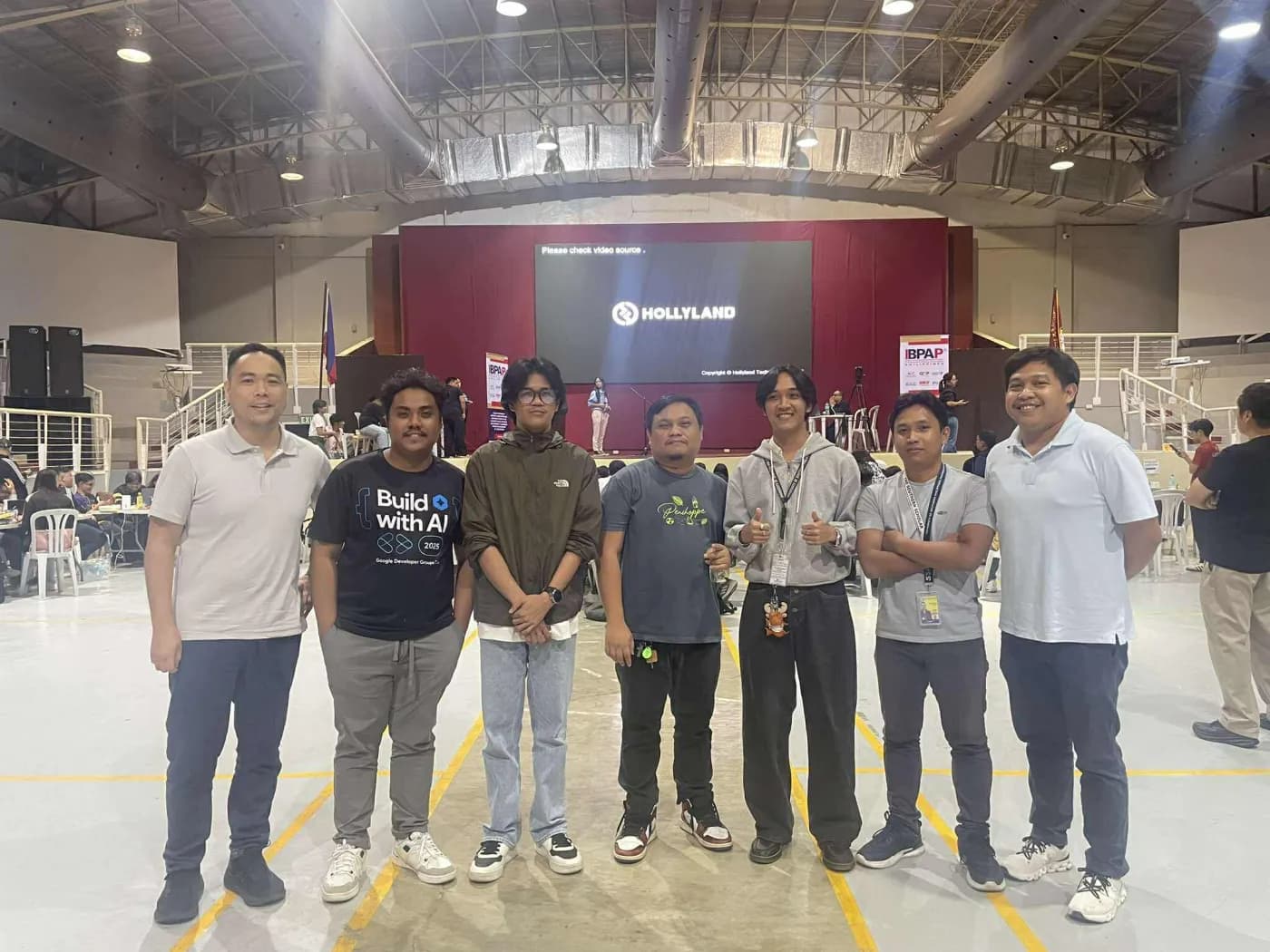
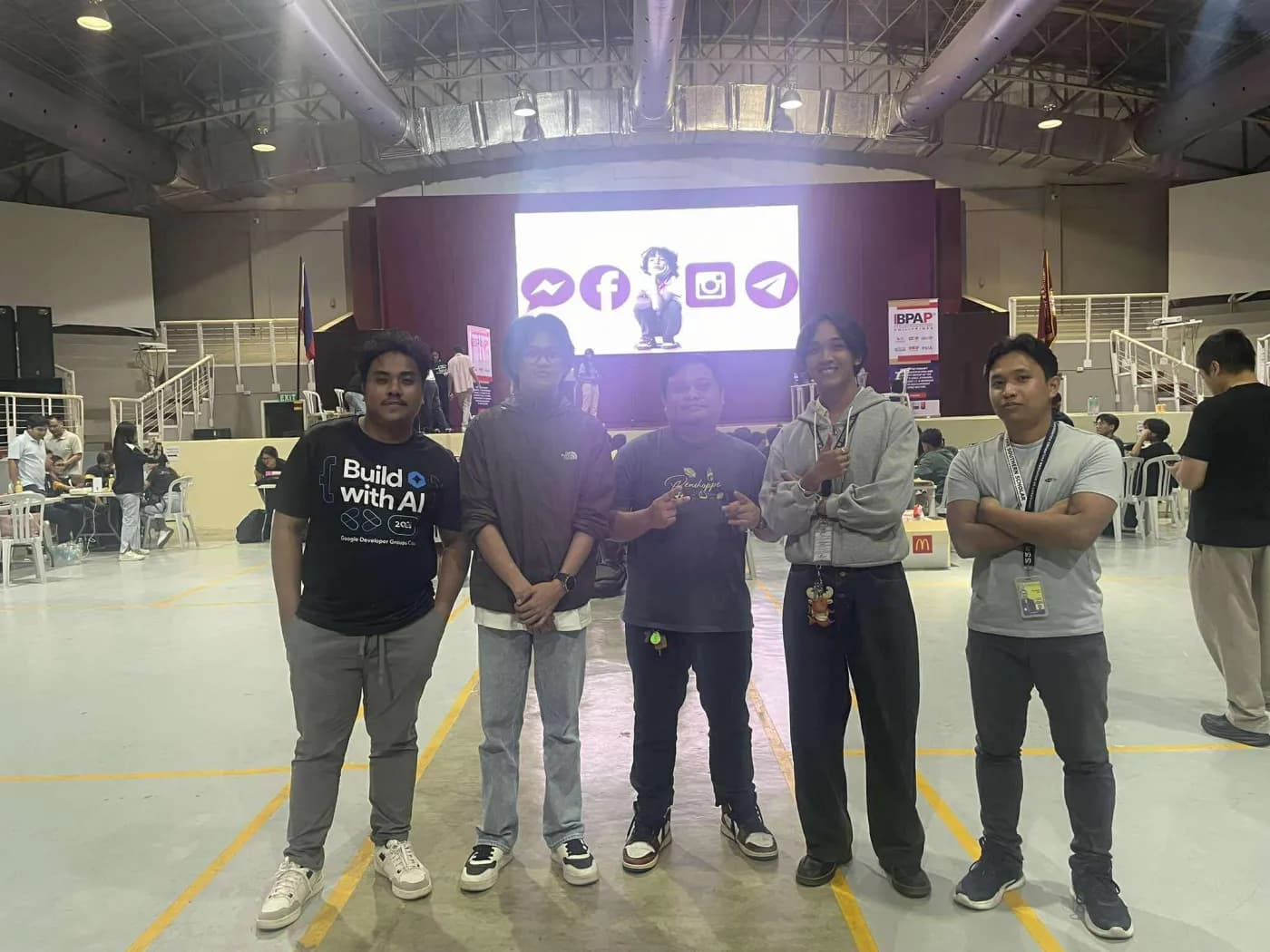
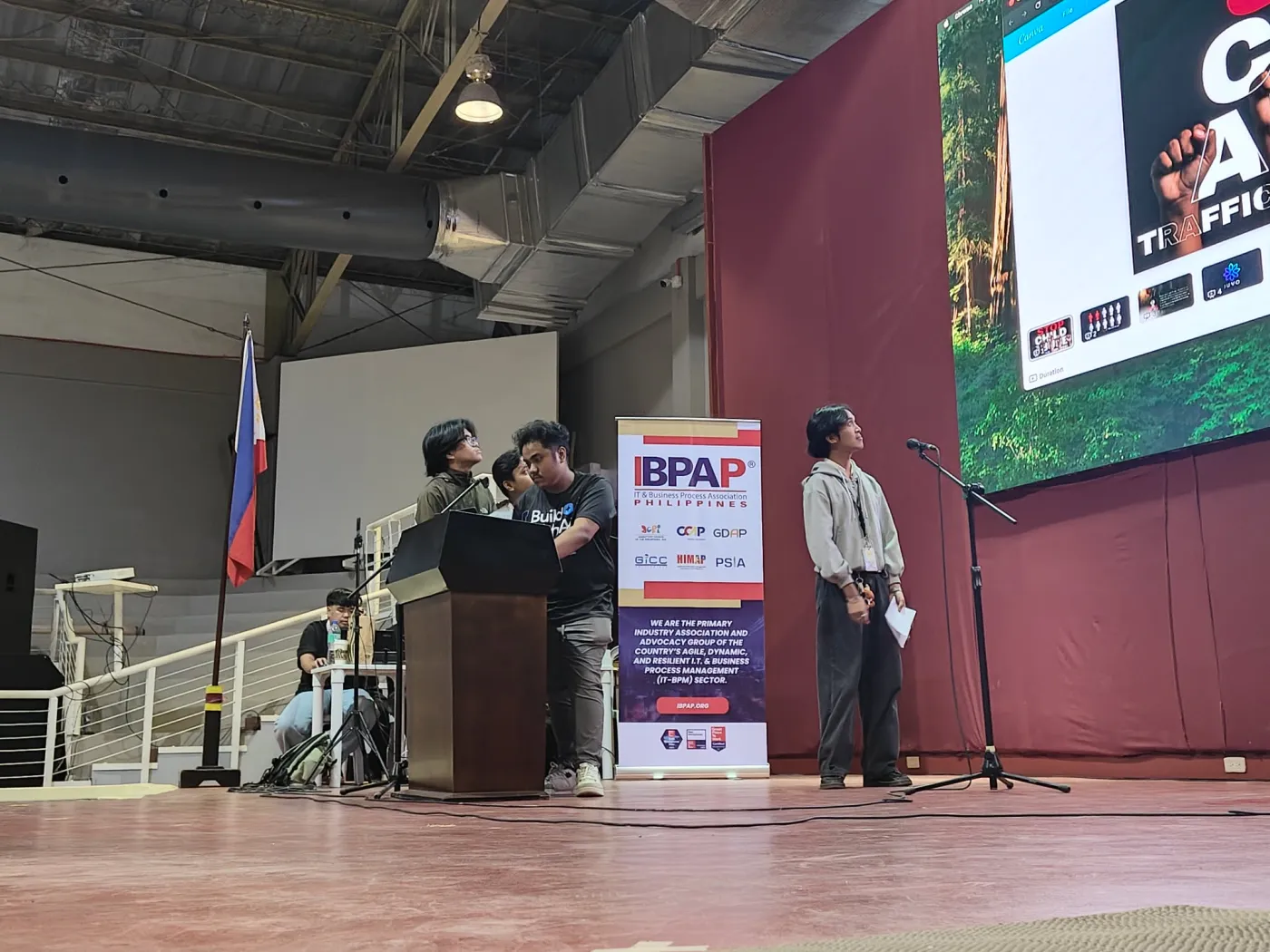
Through all of it, I stayed an active volunteer in the local tech community: GDG Cebu, AWS Community Day Cebu, and Cebu Hacktoberfest, and I kept turning up for community moments like LISK Pitching Day and DOST-VII activities. Those rooms gave me something the grind couldn't: perspective, people, and a reminder of why I started taking things apart in the PisoNet in the first place. Volunteering wasn't a break from the work. It was the thing that kept the work from hollowing me out.
The places this took me
For a kid who once couldn't afford a laptop, the passport stamps still don't feel real.
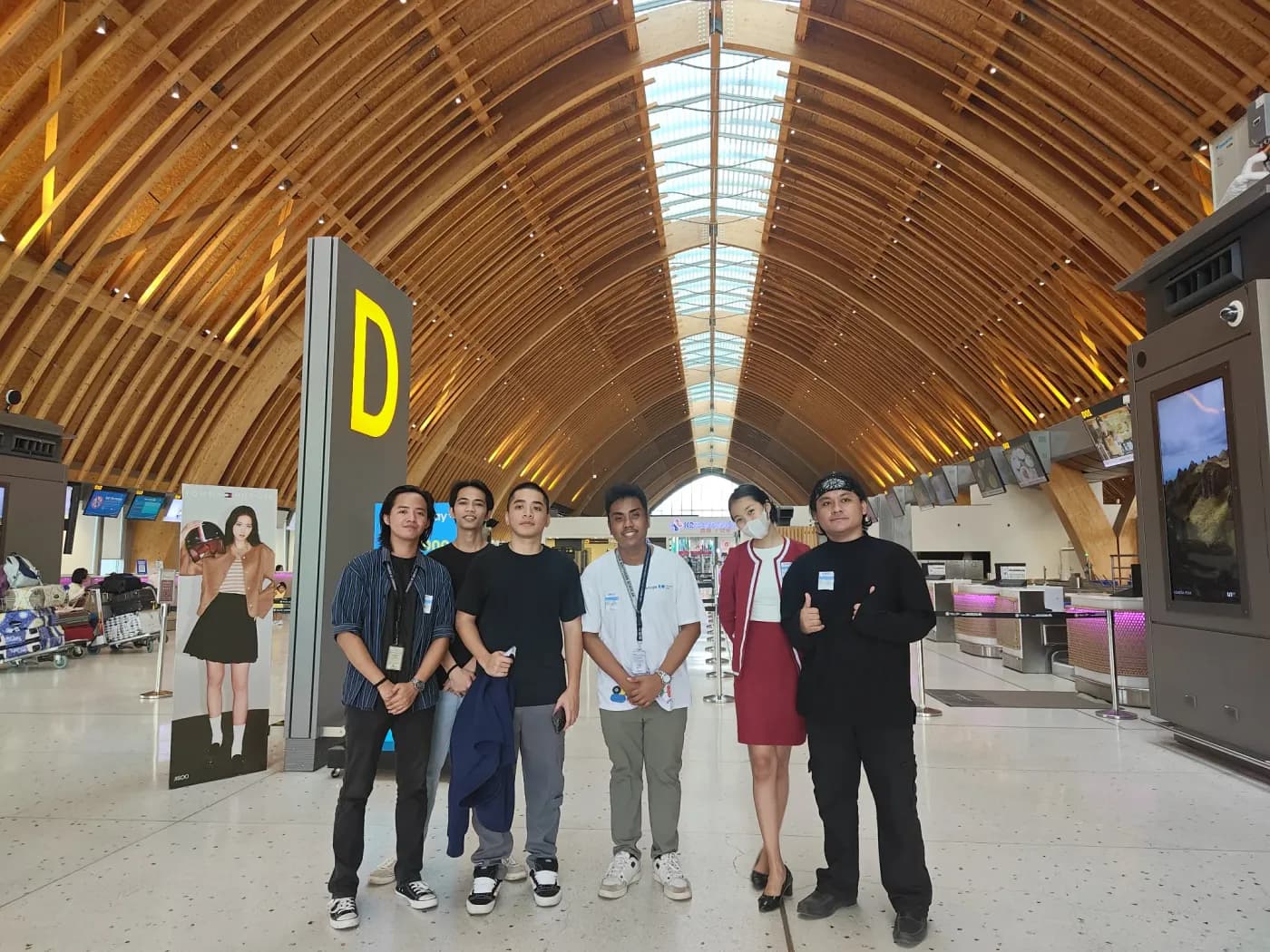
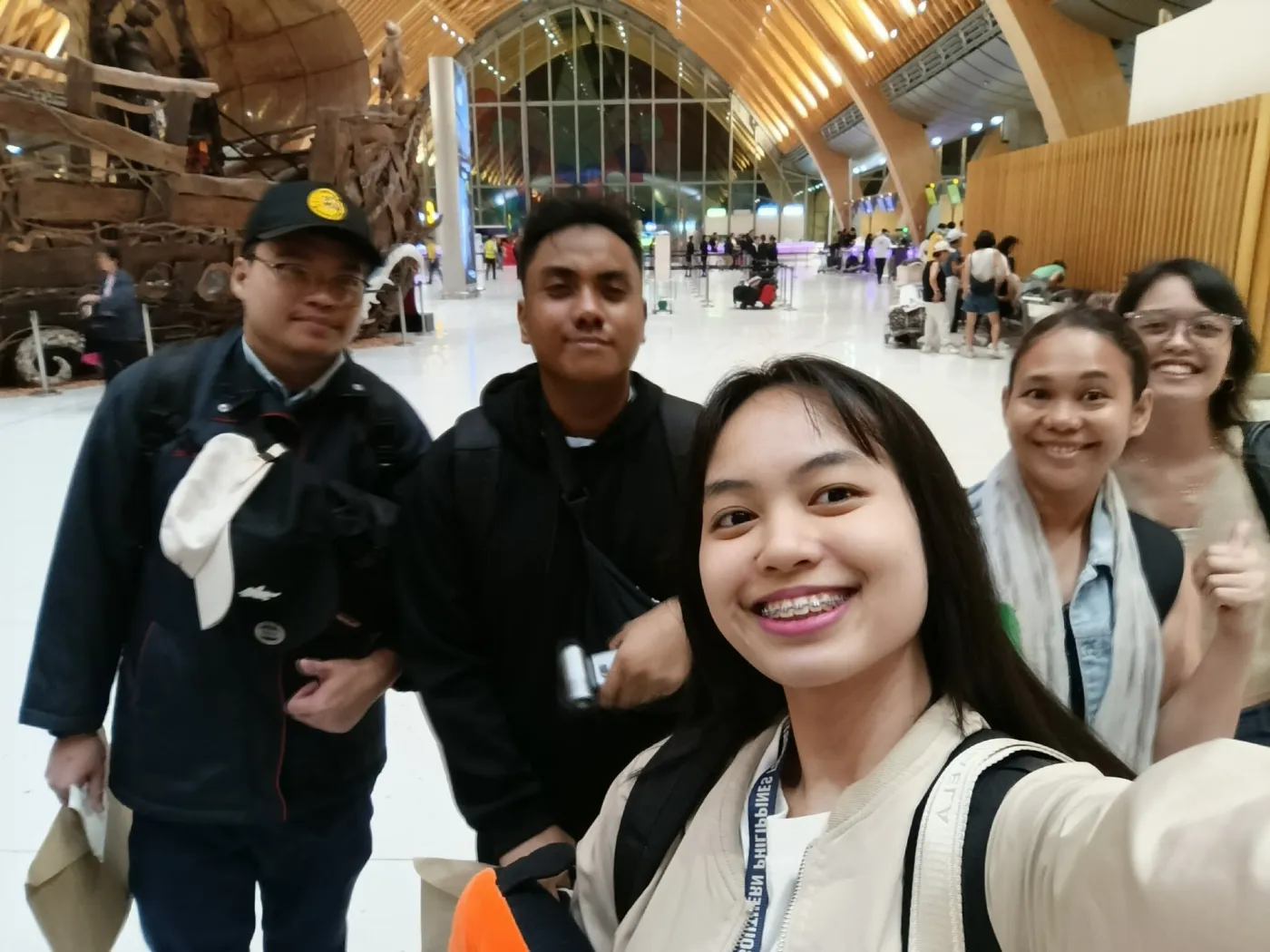
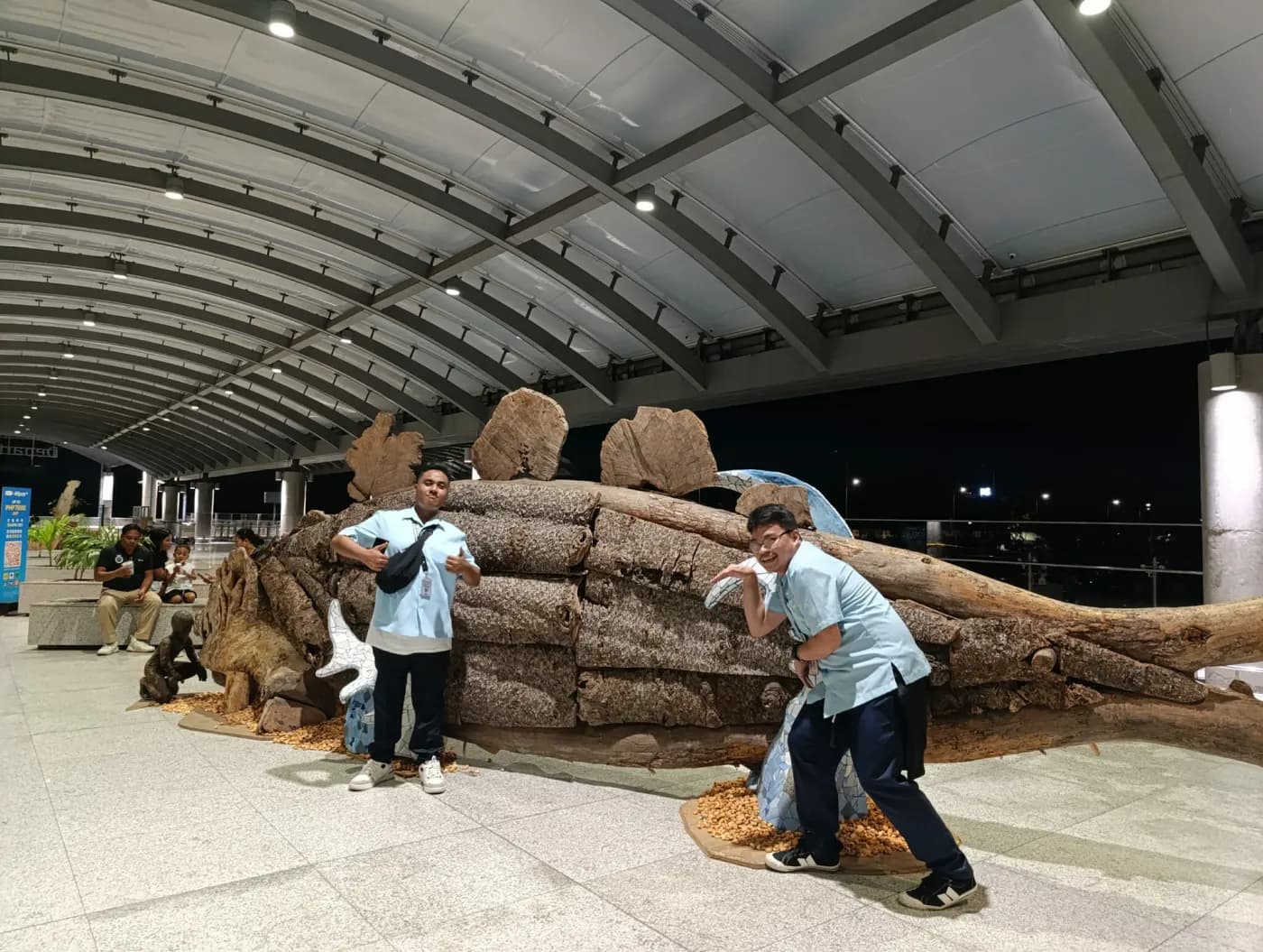
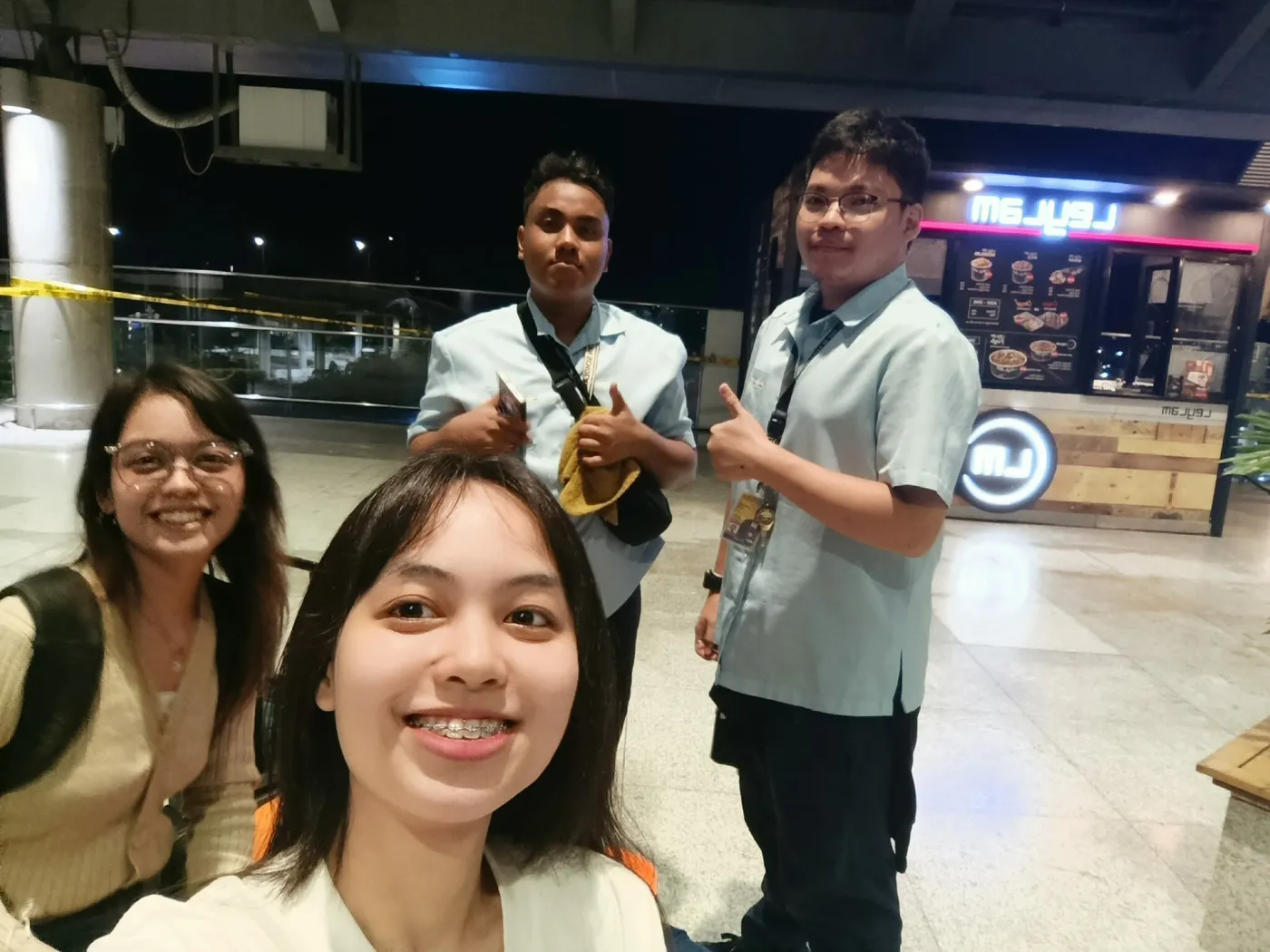
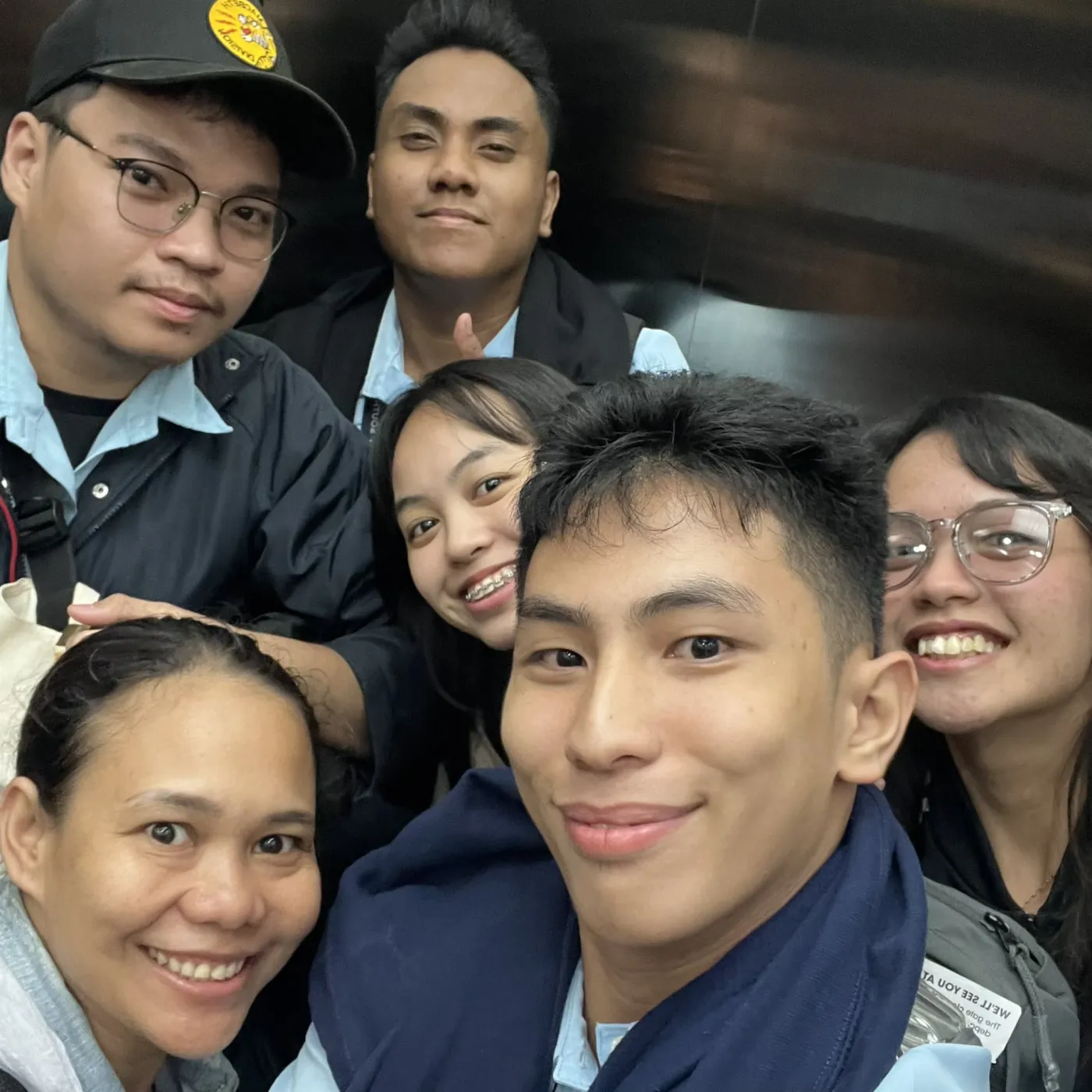
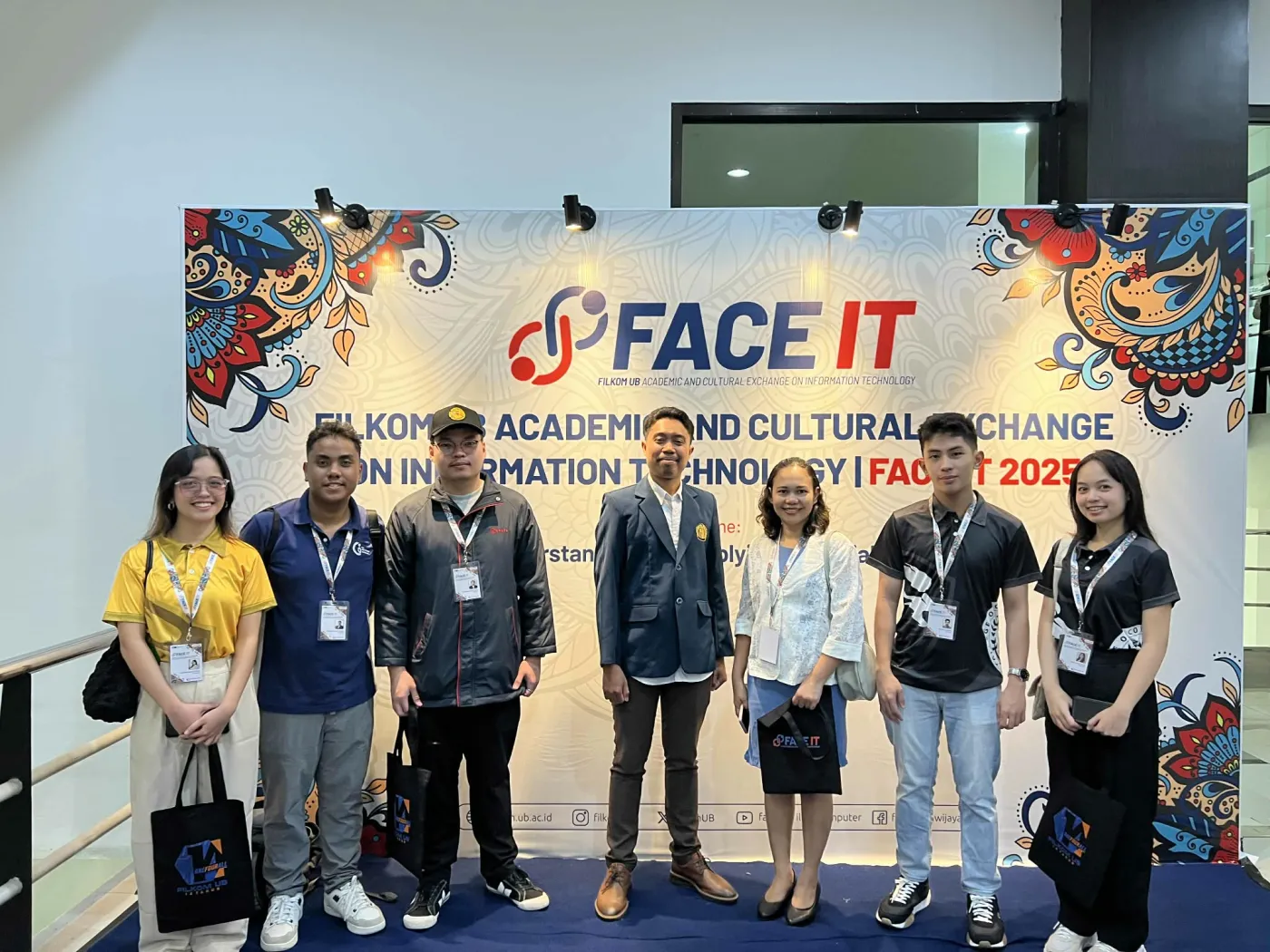
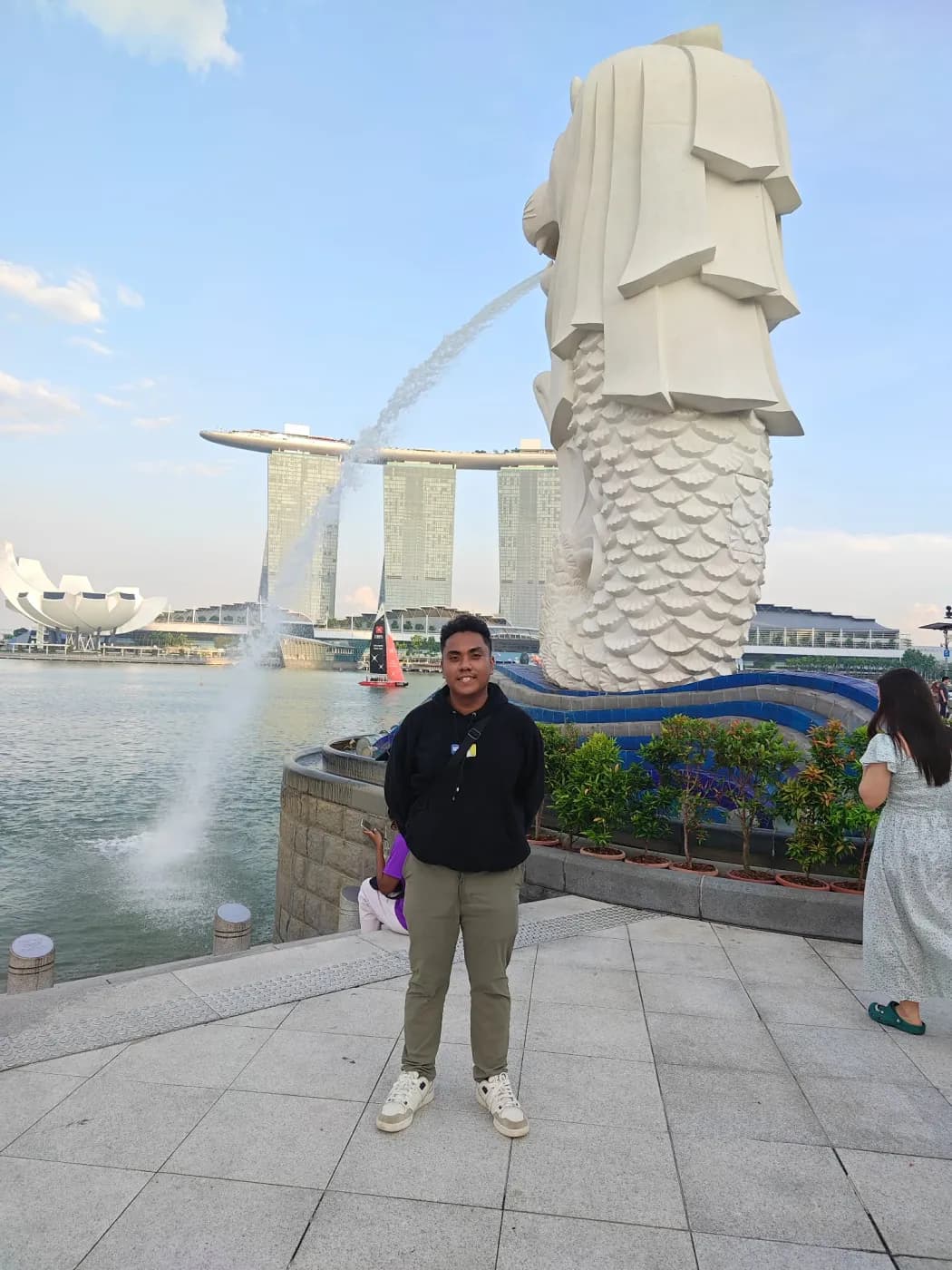
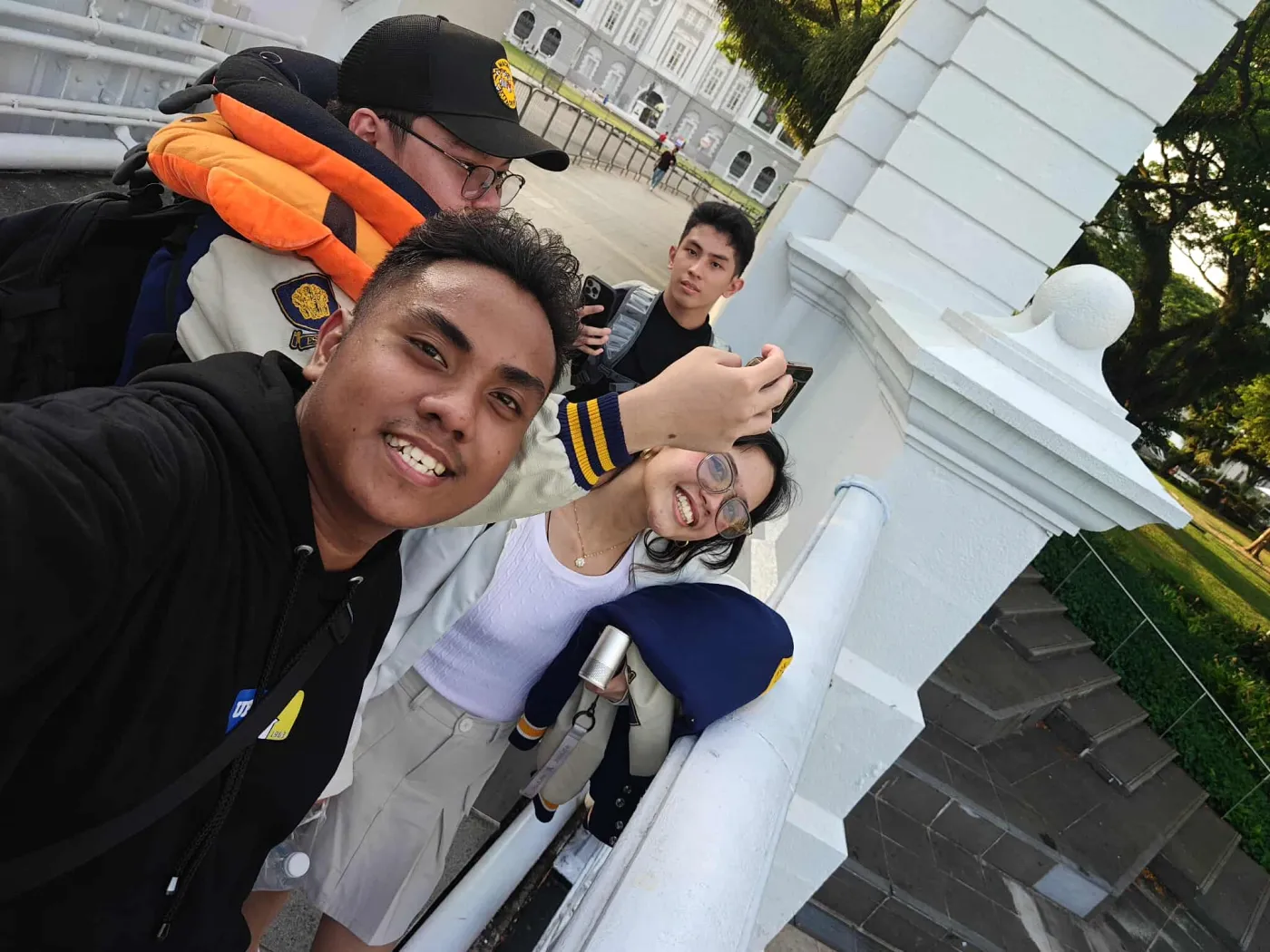
With my College of Computer Studies, I traveled to Indonesia for FACE IT, the FILKOM Academic and Cultural Exchange on Information Technology at Universitas Brawijaya in Malang, and that same trip took us as far as Singapore. Most of it started the same way: a group of us under the wooden arches of Mactan-Cebu International Airport, barely believing we were the ones getting on the plane.
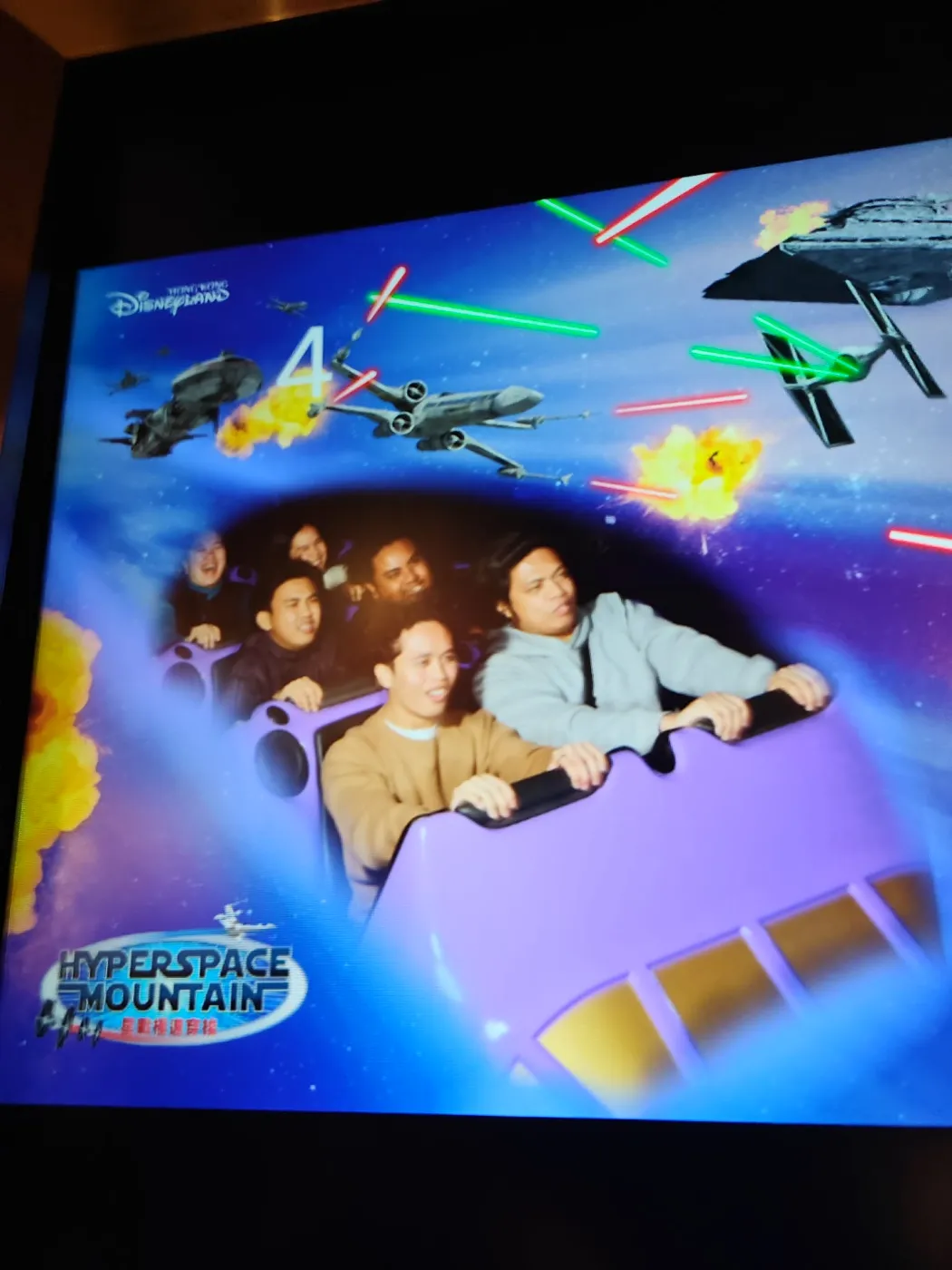
Later, work took me even further. I flew to Hong Kong with the Tolstoy and XFusion team, a trip that still feels like a plot twist in my own story.

The academic side
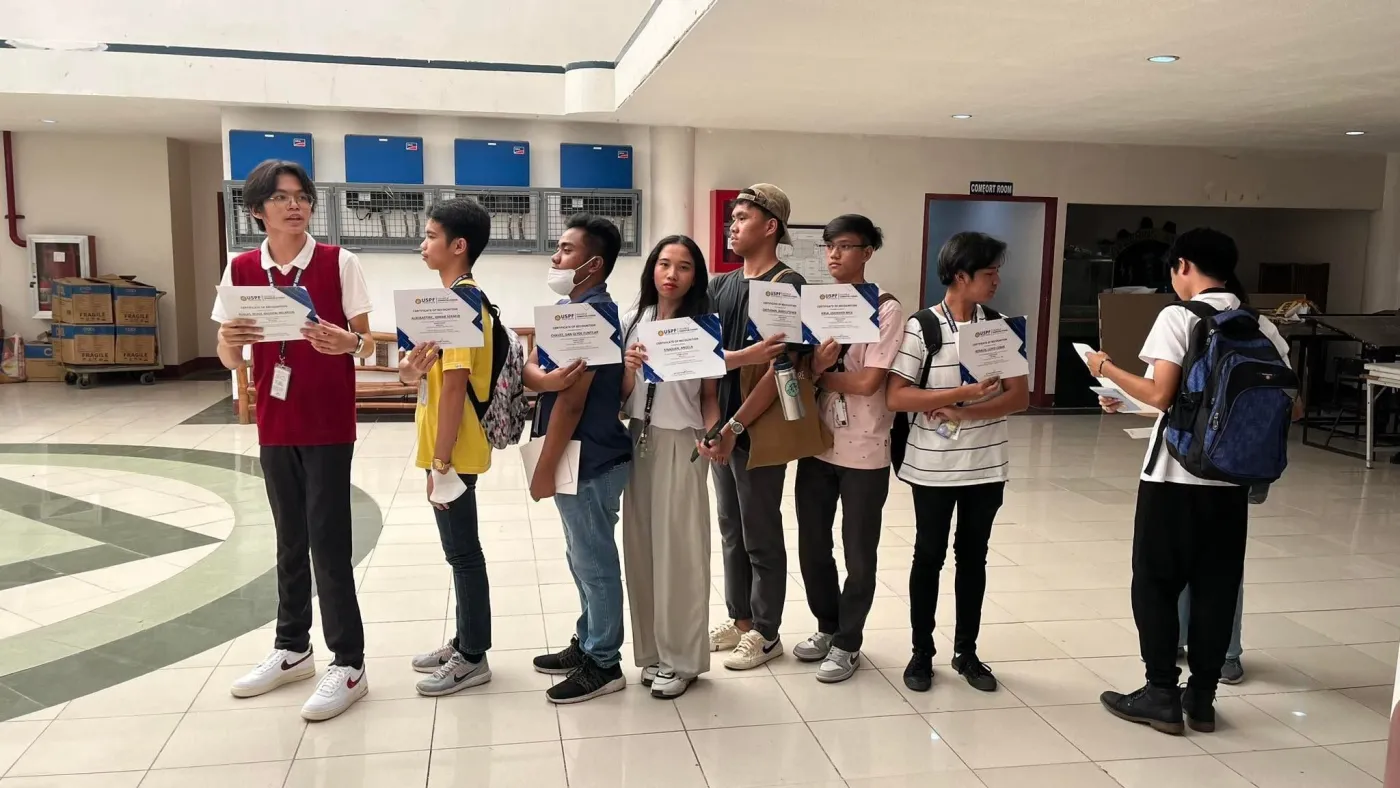
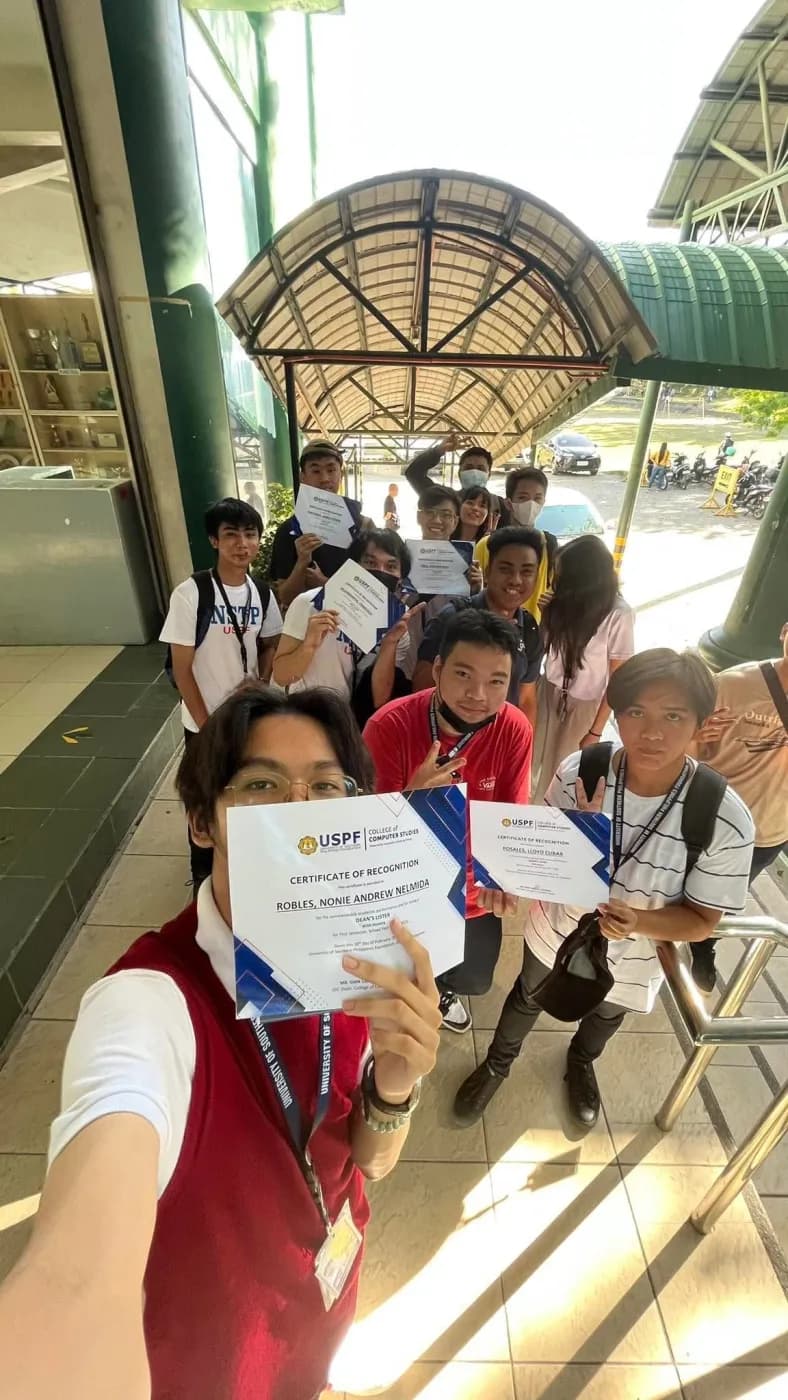
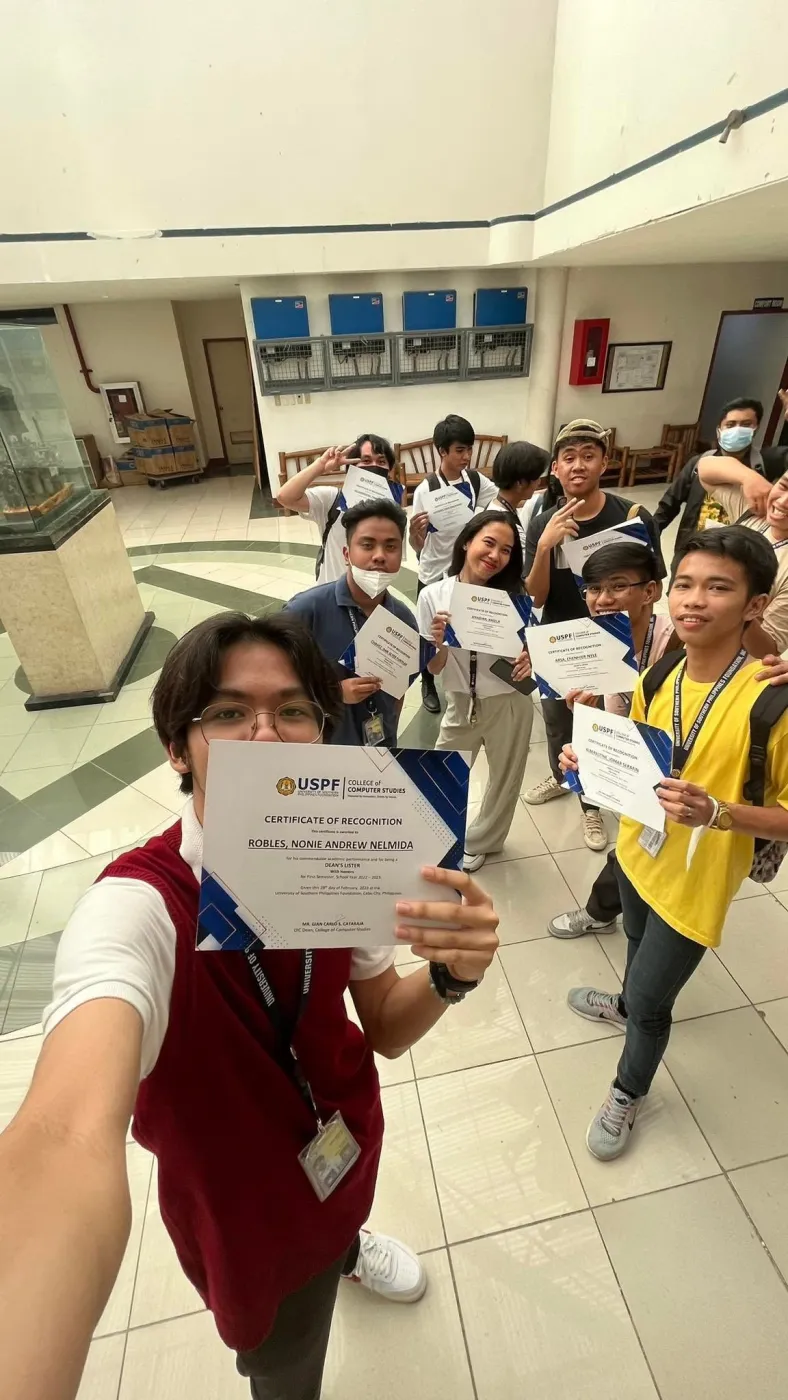
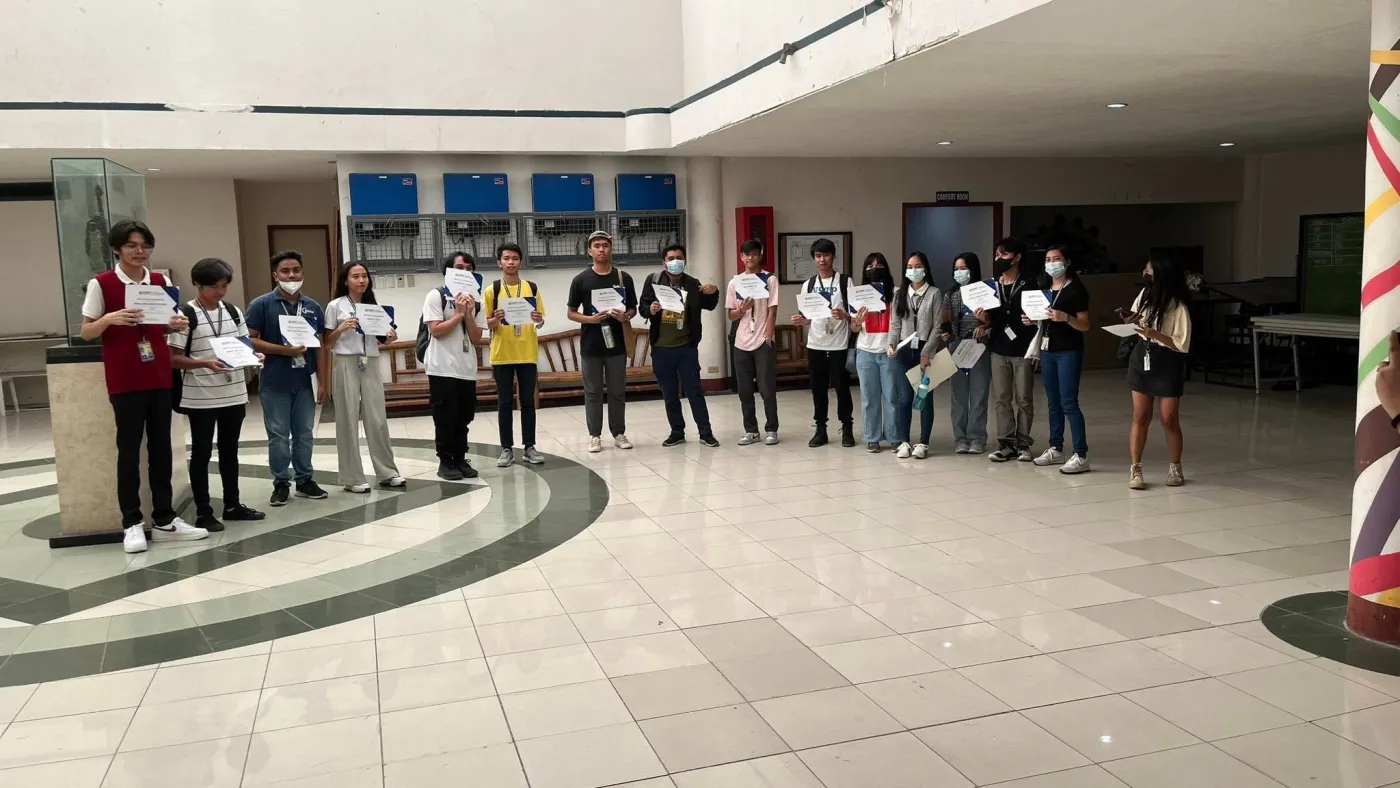
Through all the jobs, the traveling, and the volunteering, the coursework never took a back seat. I made the Dean's List every single semester, from my first to my last.
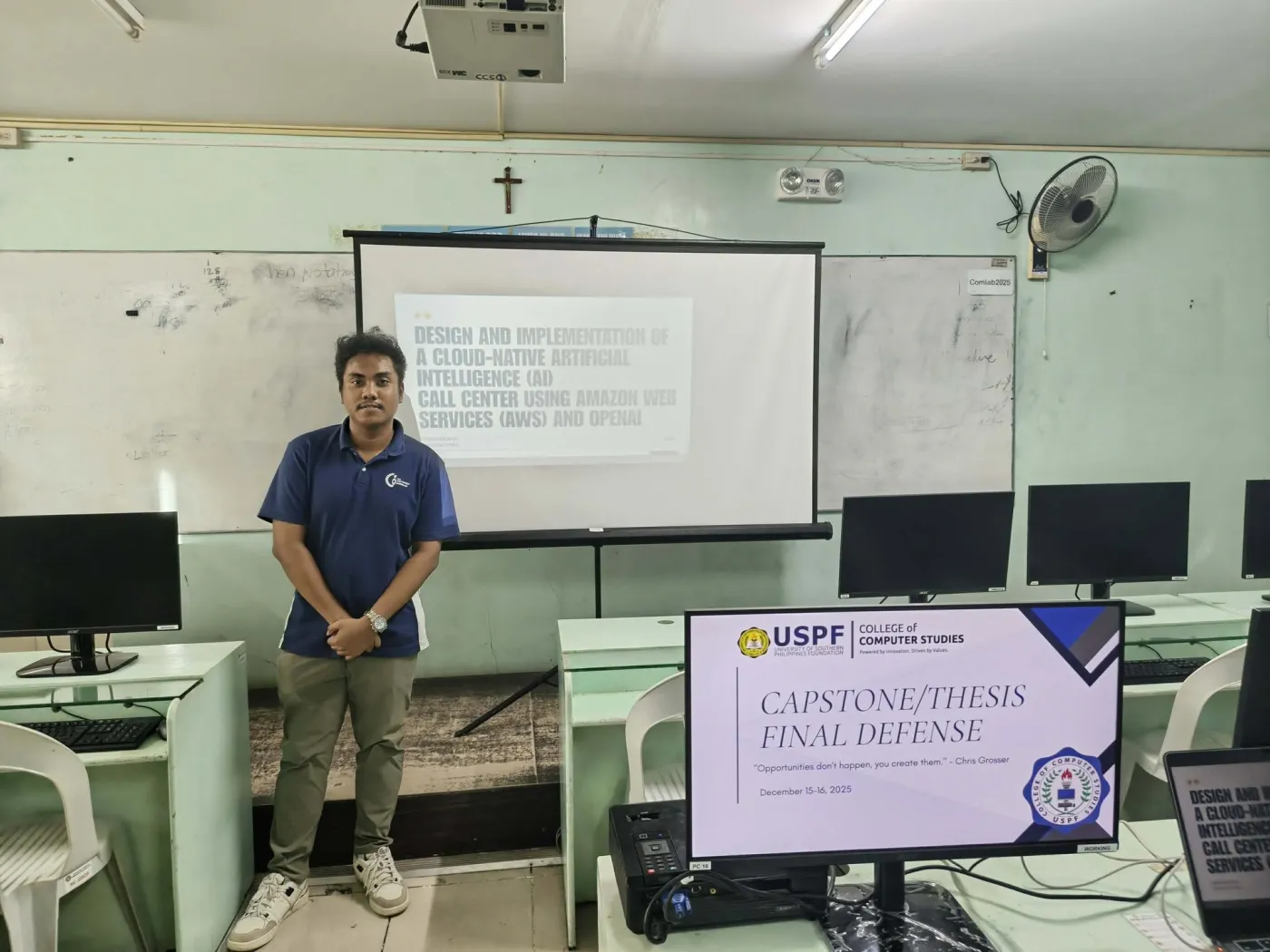
My capstone was a thesis I genuinely loved: Conduit, a cloud-native AI call center built end to end on serverless AWS with OpenAI. Defending it felt like the natural sum of everything, from reverse-engineering APKs as a kid to shipping production AI systems for work.
Magna cum laude
By the time graduation came around, I was already working as a full stack developer at Aeva AI Receptionist, helping build an AI-powered phone receptionist for clinics, even as I waited to officially close out my degree.
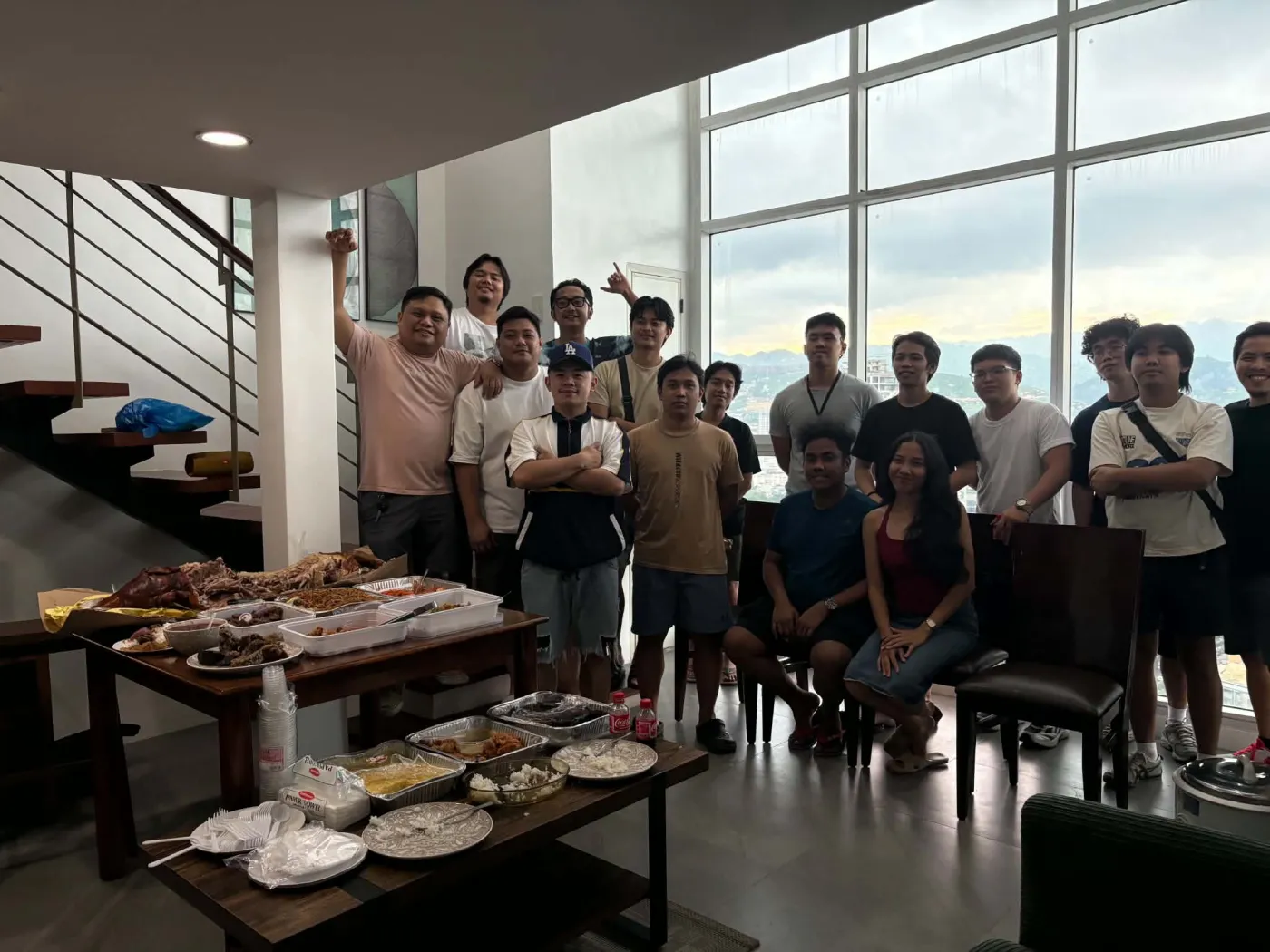
So on June 20, 2026, when I walked that stage as magna cum laude and the top graduate of my college, it wasn't really about the 1.44. It was about the netbook that died, the phone that became a workstation, the hundred applications a day, the Loom I almost didn't record, the walks across Cebu when I couldn't afford a ride, and the nights I traded sleep for a shift. A week later, we were still celebrating, my USPF ICT family and my Tolstoy colleagues all in one room.
I came from a small town in Capiz with a very unreasonable dream. It turns out the dream was fine. I just had to build the road to it myself, one uncomfortable step at a time.
If you're reading this from your own version of a PisoNet, coding on whatever you can get your hands on: keep going. The tools are never the real bottleneck.